People
[Roommate Camp] Jihwan Kim & Aki
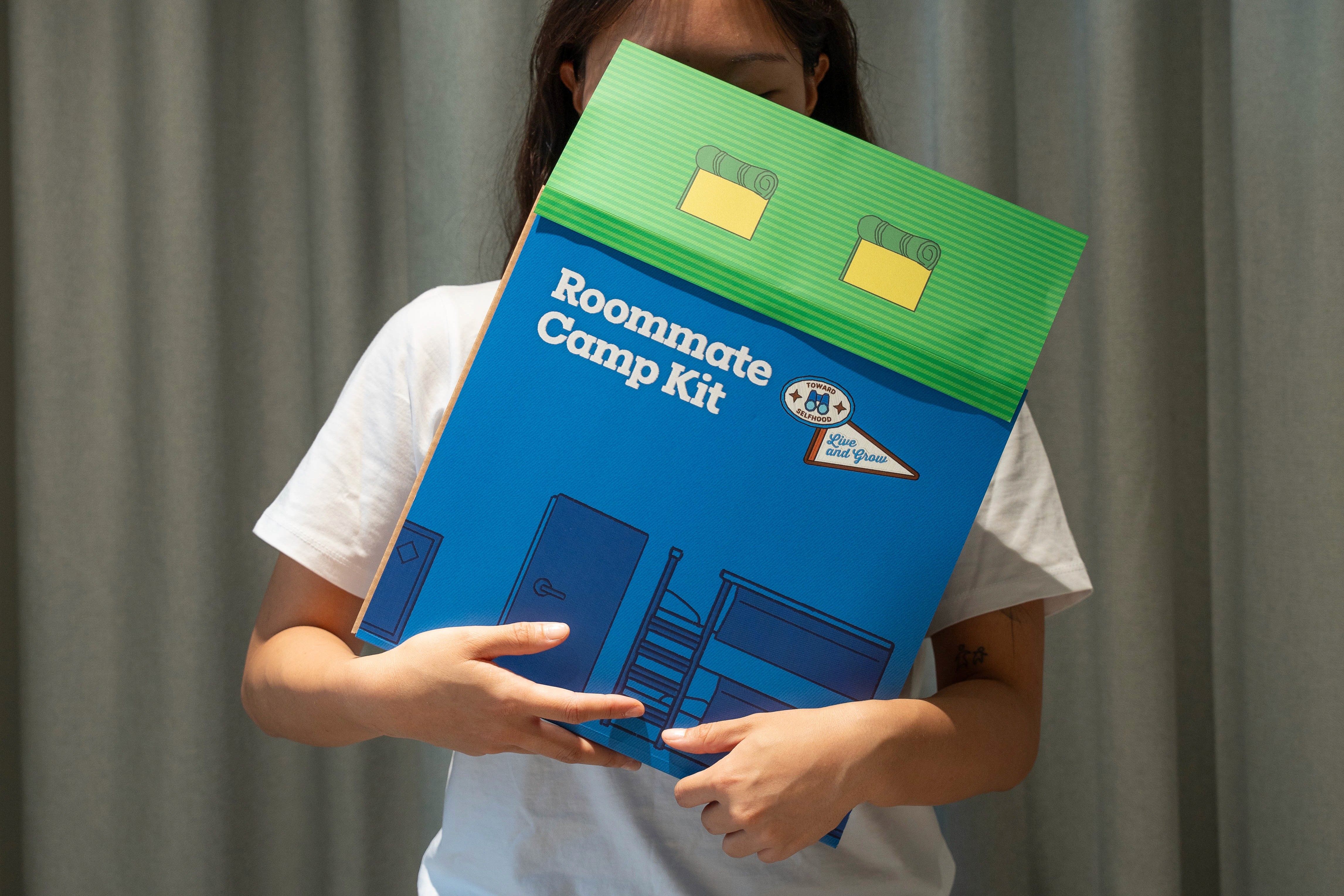
Global Roommate Camp
“They came to learn Korean, and we left with friends!”
The Global Roommate Camp is a two-week program where international participants curious about Korea get to experience co-living at Mangrove and take part in Seoul X's Korean language classes and cultural programs. So what actually happened inside? We sat down with the two people who built this program from the ground up — Seoul X Korean language teacher Jihwan Kim and content marketer Aki.
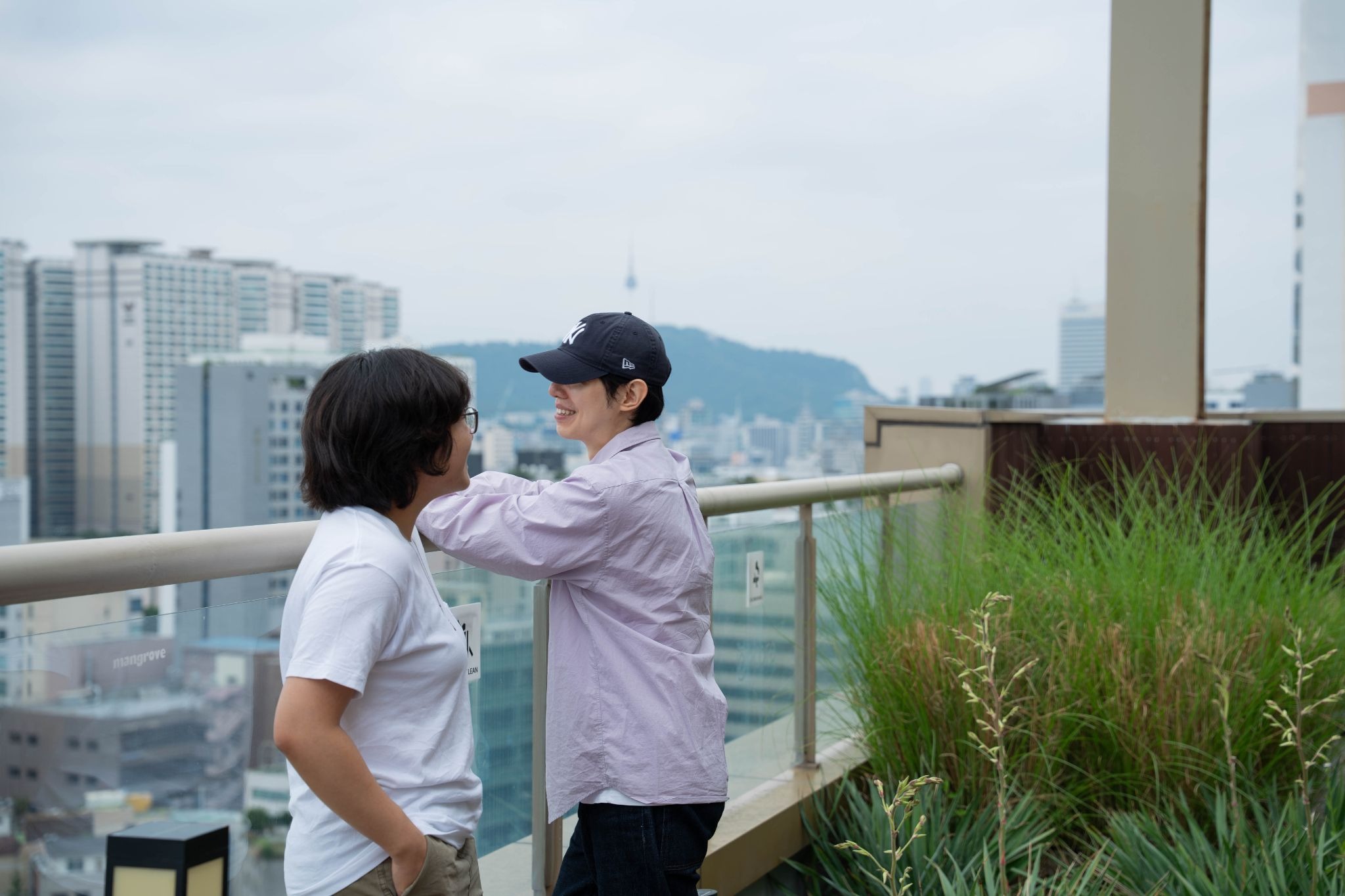
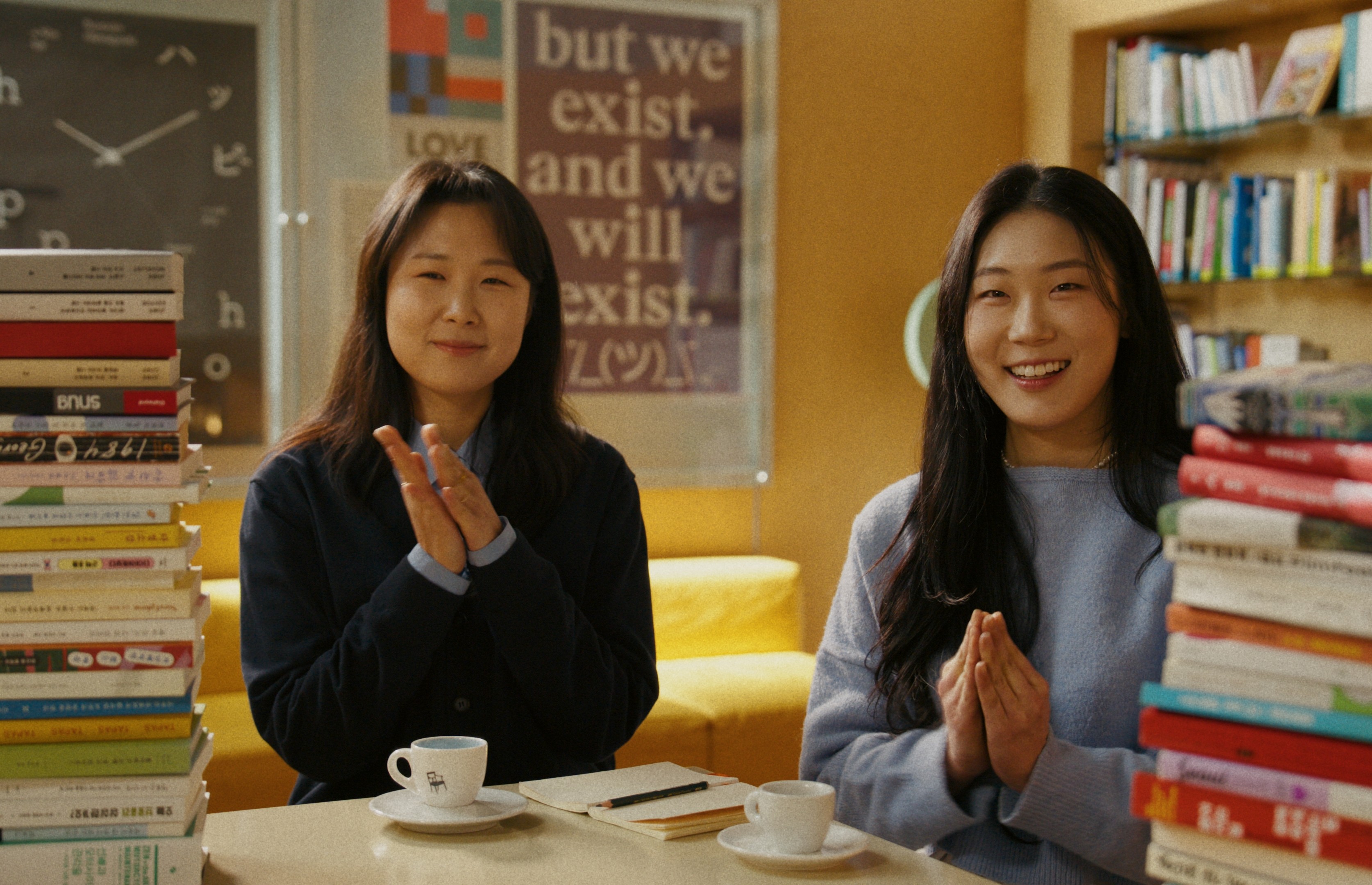
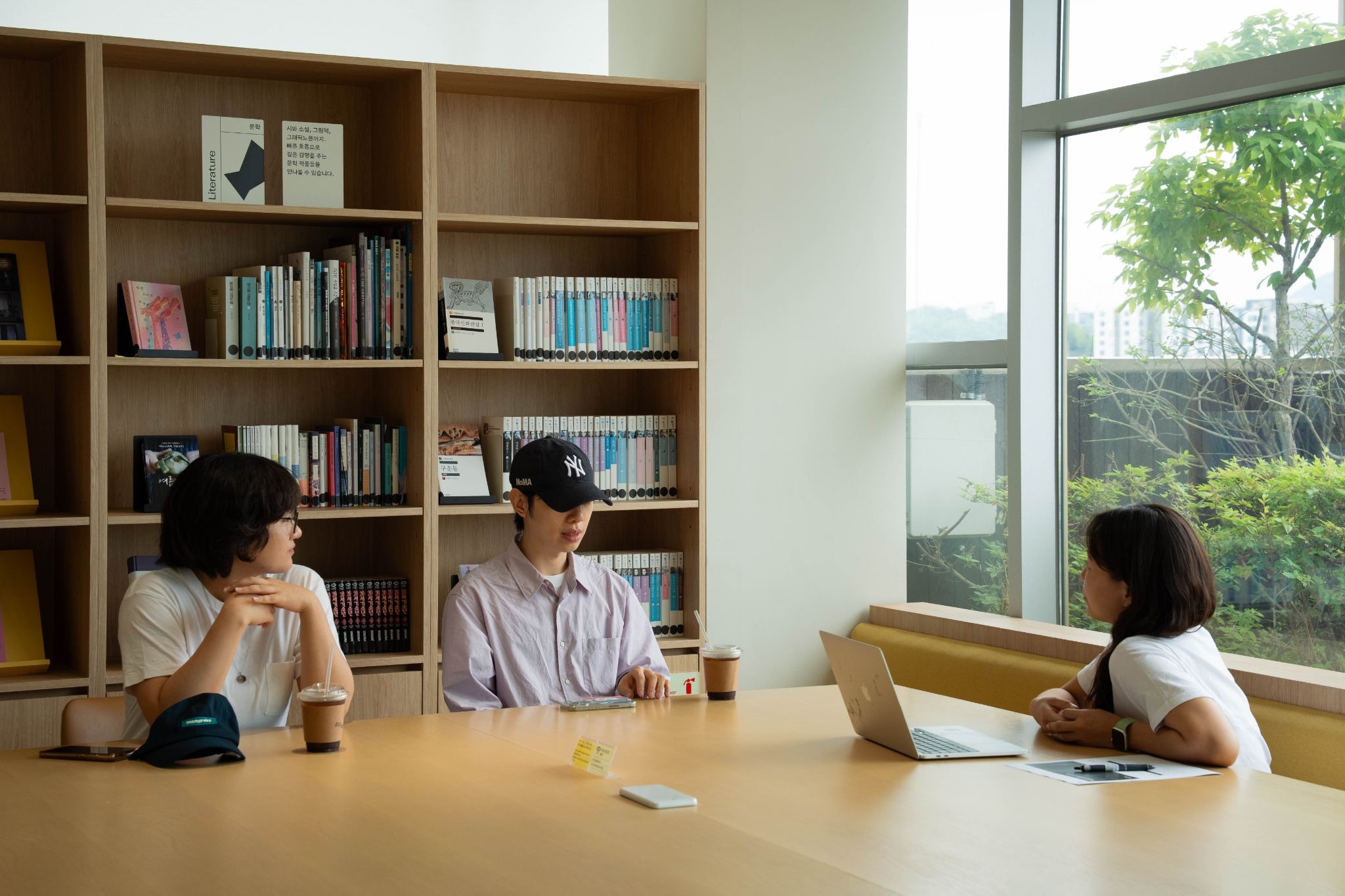
From left: Aki (Nguyen Ngoc Thu Ngan), Jihwan Kim
Q. Hi there! Could you introduce yourselves?
Jihwan Hi, I'm Jihwan Kim. I recently wrapped up the Seoul X program and I'm back to juggling my main work — music, interpreting, and a few other things. I'm a folk musician. I actually have a show this Saturday, and of all days, I showed up to this interview with a cold. (laughs)
Aki Hi, I'm Aki from the Seoul X team. I go by quite a few names — my full name is Nguyen Ngoc Thu Ngan, and my Korean name is Woo Jueun. At work, everyone calls me Aki! The biggest change in my life lately has been starting at Seoul X. It's been full of challenges from day one, but I've also gained so many new and meaningful experiences along the way.
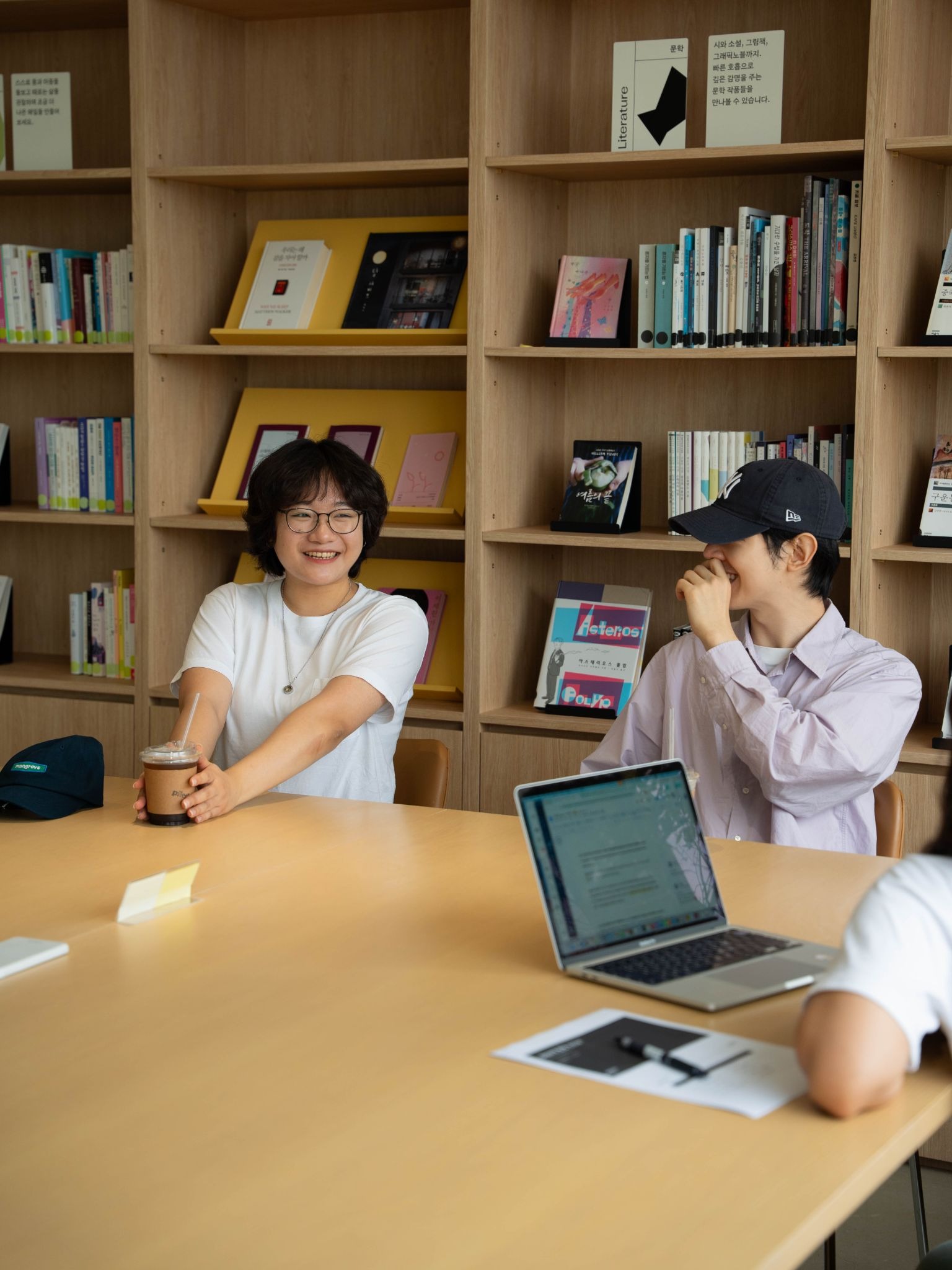
Q. This Global Roommate Camp collaboration is how we first crossed paths! For those who haven't heard of Seoul X yet, could you give us a quick intro?
Aki Seoul X runs programs for foreigners visiting Korea, covering Korean language education and cultural experiences. We focus on a curriculum we developed in-house, specifically on building conversational Korean that people can actually use in real life. Beyond just language, we incorporate activities related to K-culture and K-life to help participants build real-world Korean proficiency and freshly experience Korean culture.
Q. And what role did each of you play in this project?
Jihwan I was the Korean language teacher. I led the classes and took participants around Seoul, introducing them to different sides of the city. Most of them were experiencing Korea for the very first time.
Q. Can you share one quick tip for someone just starting to learn Korean?
Jihwan Sure! Picture yourself at a restaurant. When you're just starting out, you probably point at the menu and go "igeo, igeo" — "this one, this one." But take just one small step further and say "igeo juseyo" — "this one, please" — and you're already doing Korean you can actually use. It works at any restaurant, convenience store, literally anywhere.
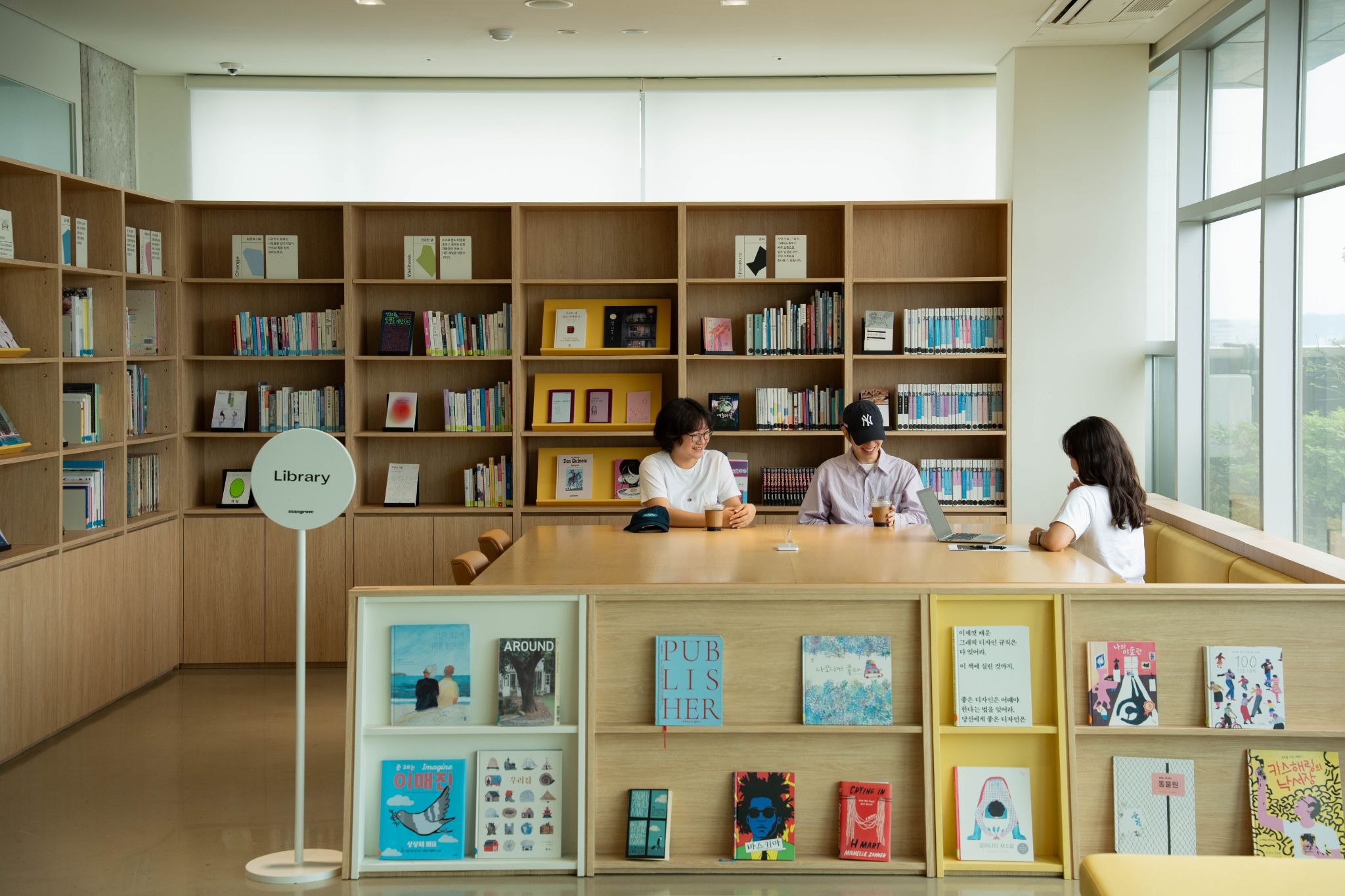
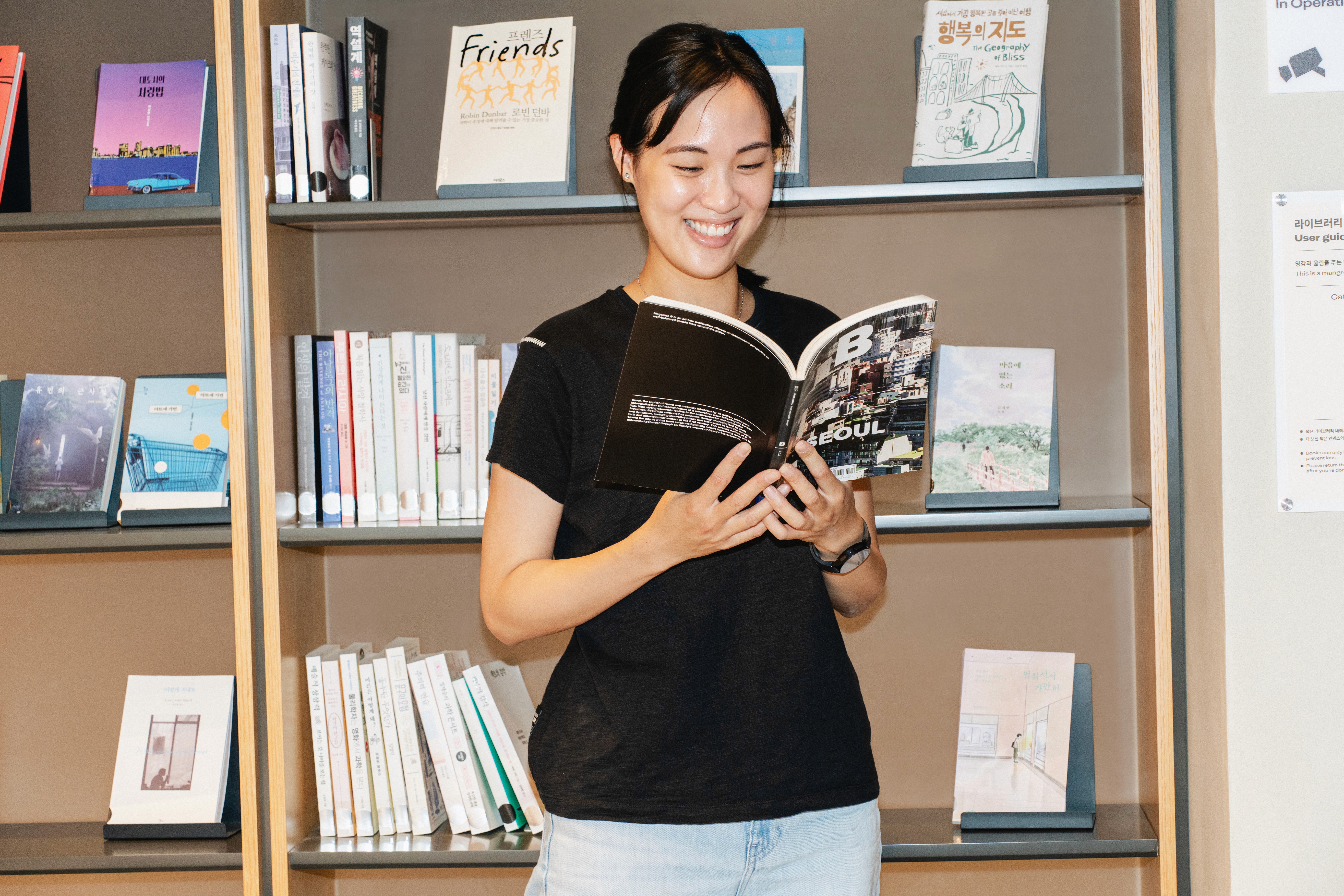
Mangrove Sinseol 20F Library
Q. What about you, Aki? What was your role?
Aki I'm a content marketer. My main work is SNS marketing and content production for Seoul X, but I also help run classes, plan and coordinate offline events, and communicate directly with students.
The Global Roommate Camp was actually the first offline event I joined — only two weeks into starting at Seoul X. I'd mostly done online-focused work before, so discovering how many offline events Seoul X runs was quite the surprise. Honestly, I felt a little tricked. Just kidding. (laughs)
Throughout the camp, one thing I really wanted to do was make the behind-the-scenes content feel like a variety show. I stayed glued to my camera the entire time, trying to capture as much as possible — even staying late into the night to film.
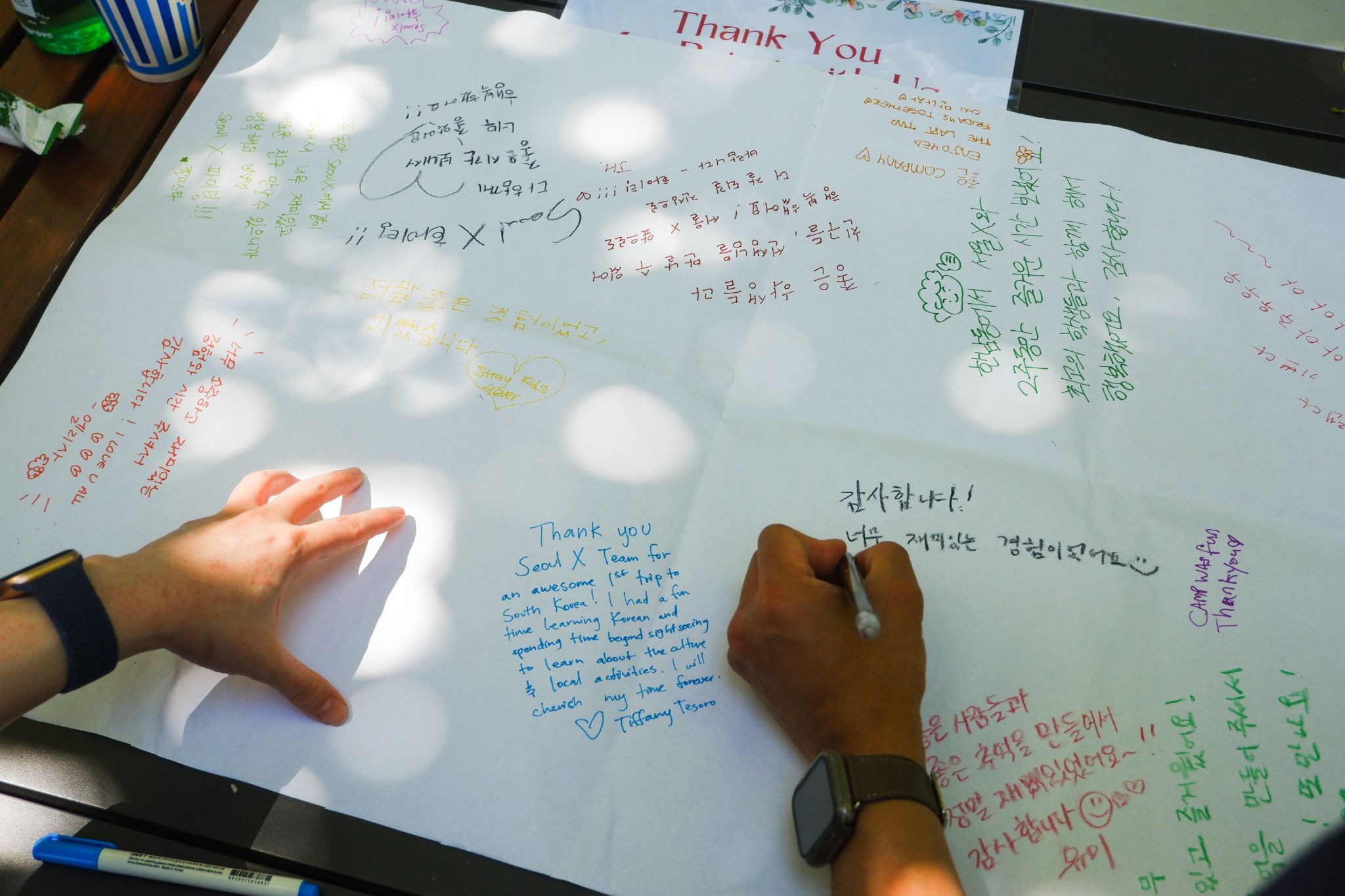
© Seoul X
Jihwan That's true. Every time I saw Aki, she barely seemed to have a moment to enjoy the program itself. She always had a camera in her hand. I actually stopped at one point to check in and ask if she was okay. She was so professional and dedicated that I genuinely thought she'd been working at Seoul X for years.
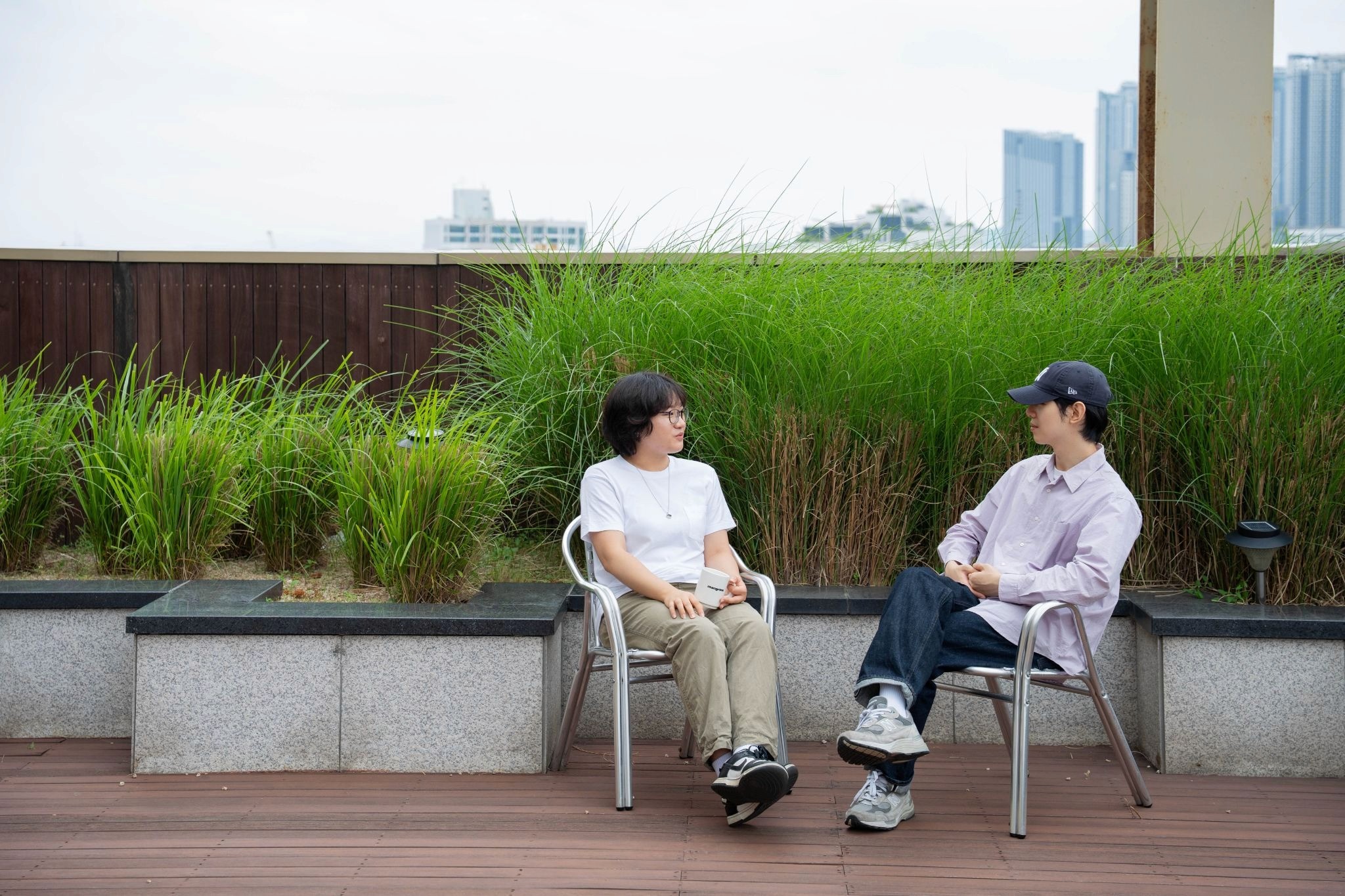
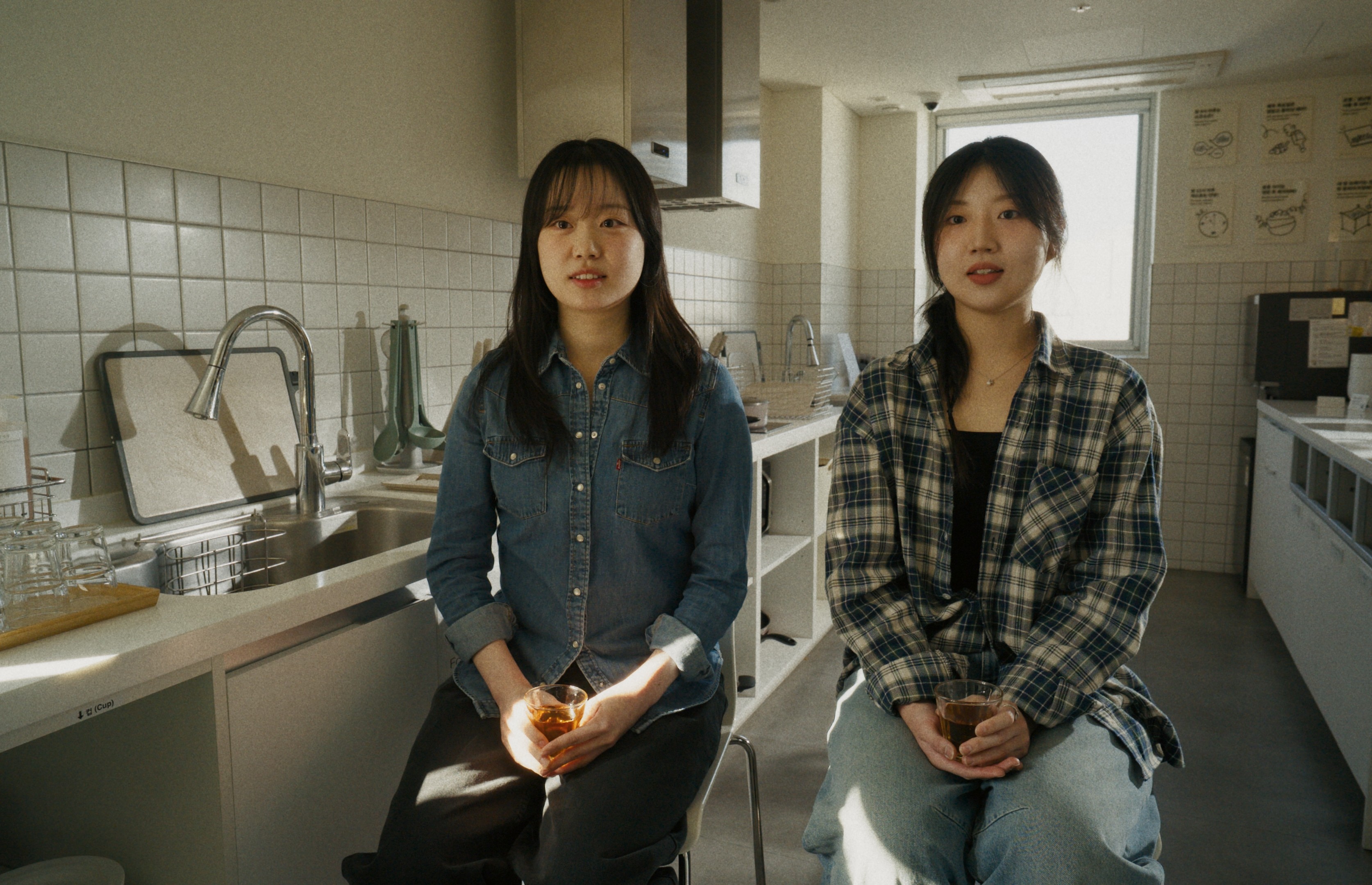
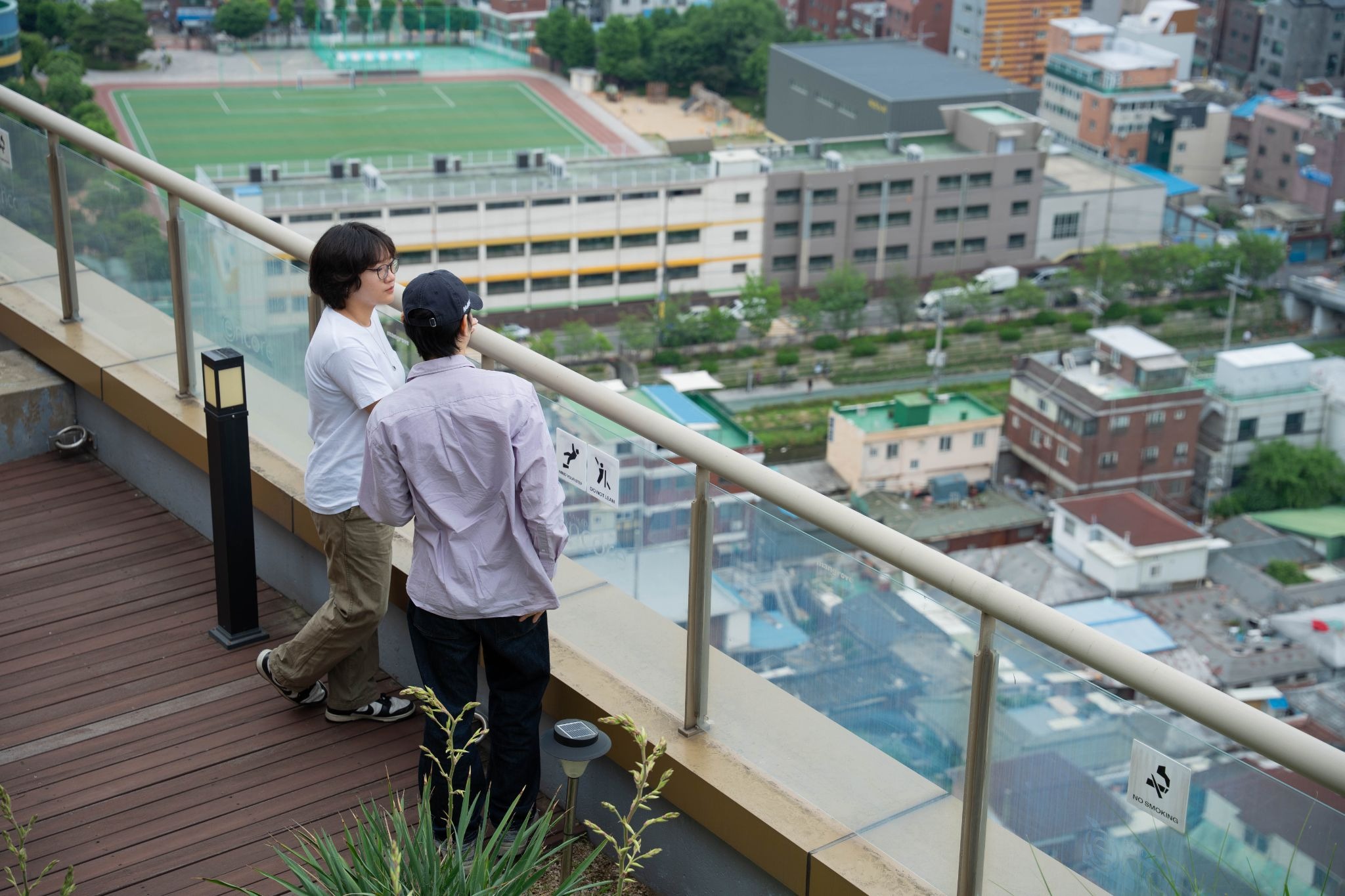
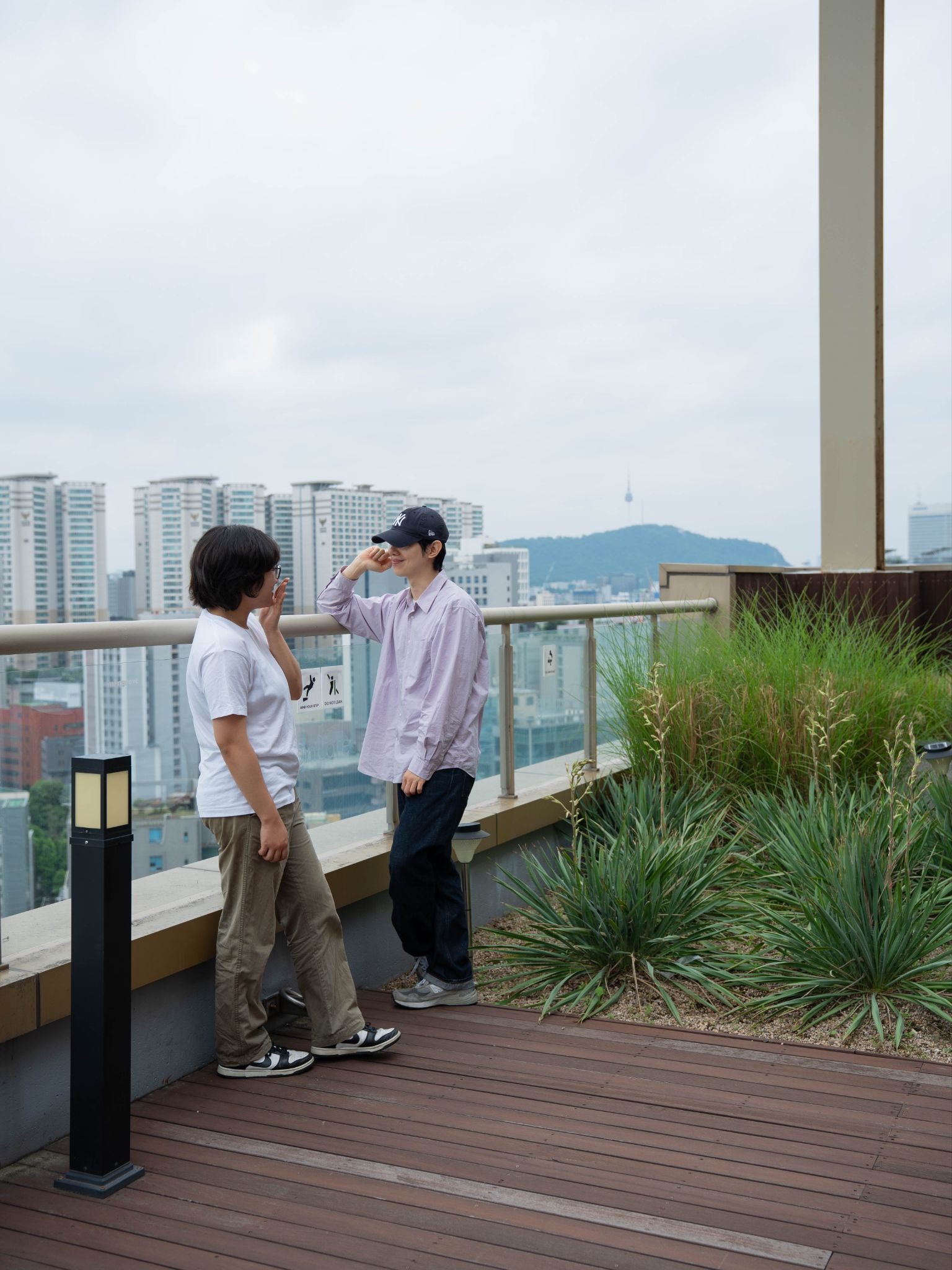
Mangrove Sinseol 20F Rooftop Terrace
Q. You both seem very comfortable with different languages. Could you share some of the cities or countries you've lived in?
Jihwan I've traveled to many places, but the only city I've truly settled in is right here — Korea. I was born and raised in Incheon, and I've been living in Seoul for about four years now. English is the only foreign language I'm fairly fluent in, and I'm entirely self-taught.
My first experience teaching Korean was during my military service as a KATUSA.* For a year, I taught Korean to new American soldiers, and I found I genuinely enjoyed it. Afterwards, I worked as an English teacher, but at some point, I thought why not flip it and teach Korean to foreigners?’ That's what brought me to Seoul X for an interview.
Our director Tori invited me to join on the spot. The funny thing is, the first day of the Global Roommate Camp orientation was literally my second day on the job. That morning, I was suddenly asked to interpret as well, but since interpreting has always been something I love, I said yes without hesitation.
*KATUSA (Korean Augmentation to the United States Army): Korean Army soldiers attached to U.S. military units in Korea. English is part of daily life in these units.

Aki Living independently abroad really suits me, and experiencing life in as many countries as possible is genuinely one of my life goals! Outside of my hometown in Vietnam, Korea is the only country I've lived in for a long time — nearly seven years now. In the future, I'd love to live and work in Japan or other countries and keep building new life experiences.
Q. What brought you to Korea — or specifically to Seoul?
Jihwan First and foremost, I wanted to move out and live independently. Seoul was already a city I kept coming back to, and it's the most ideal place for the kind of work I do: music and everything that comes with it.
Aki Before I even came to Korea, I had this strong desire to study abroad, build independence, and broaden my perspective. Around that same time, the Korean Wave had a really deep influence on my aesthetic sensibility. Korean music and dramas kind of seeped into me naturally, and the language followed. That's how I ended up choosing Korea as my study destination. When I think of K-life, Seoul is always the first place that comes to mind. It's the backdrop of all the cultural content I grew up consuming.
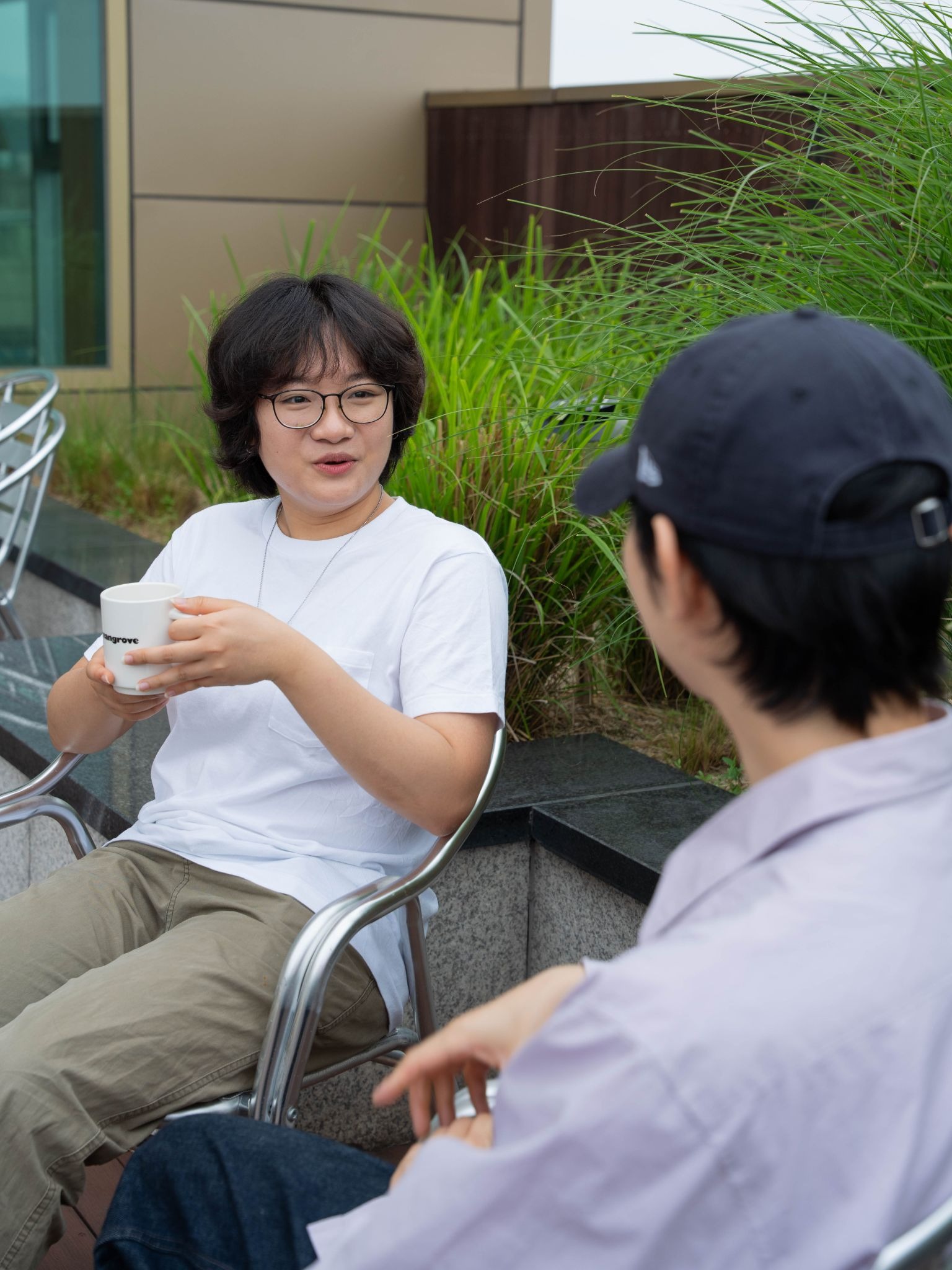
Q. Was there a moment during the Global Roommate Camp that stood out to you the most?
Jihwan What I'll remember most is how people who might never have crossed paths ended up becoming real friends.
After the program ended, I saw the participants — actually, I should say friends — three or four more times. We waited in line together at a popular restaurant, visited Gyeongbokgung (a place I know a little too well, but totally new for them), and took photos. One friend went back home but came back to Korea later, we hung out again, and people around us started saying we were besties. I didn't even notice it happening.
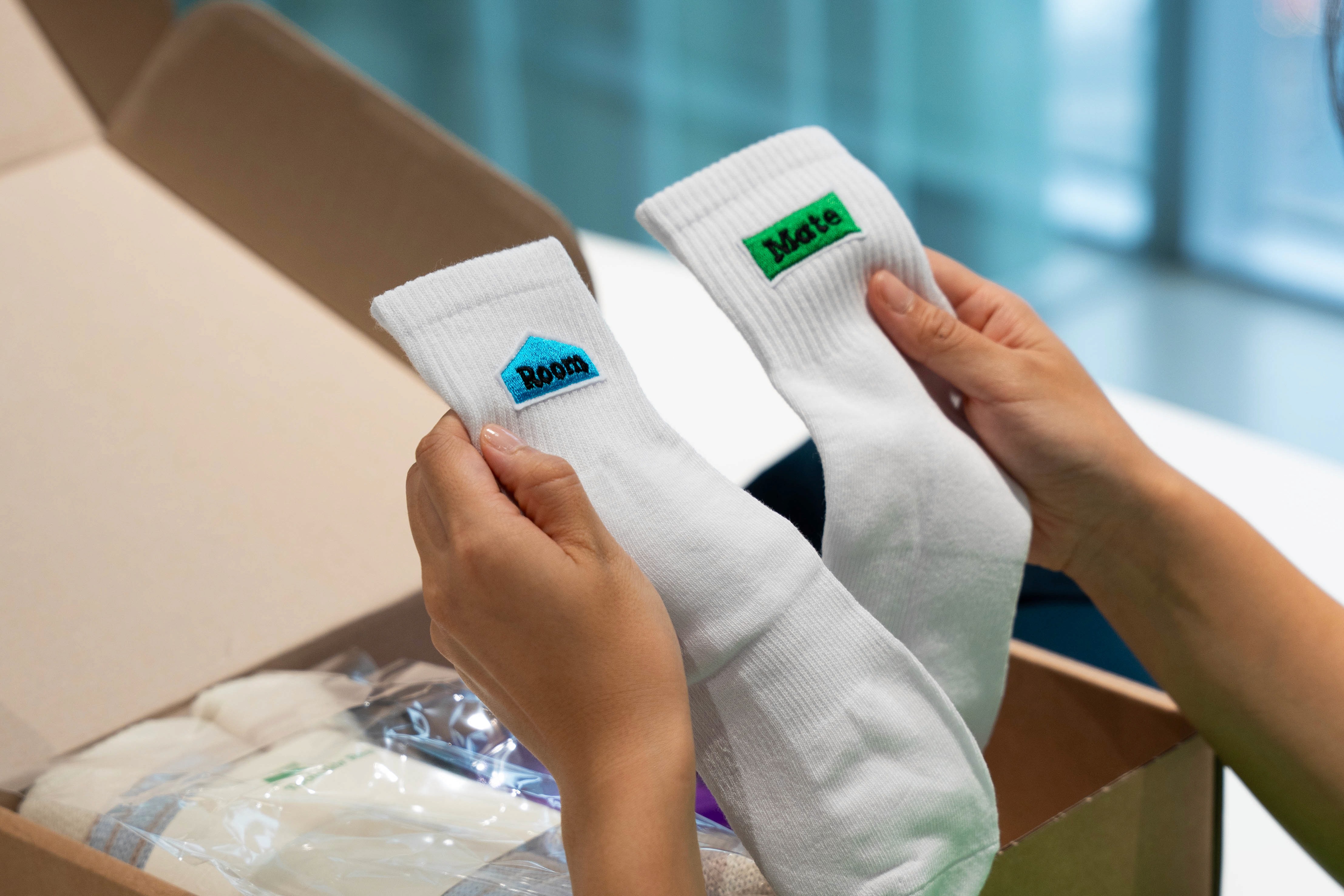
When we designed the program at Seoul X, the most important thing was never just language; it was experiencing something together. Feeling that genuine human connection form within that space... that was the most rewarding part.
Aki My most memorable moment was the very first day of the camp. After the morning orientation, the participants invited me over to Mangrove Dongdaemun. We had a meal together and filmed on the rooftop. Hearing the students' candid thoughts as they embarked on this program felt really special, and the nighttime view of Seoul from the rooftop was just stunning. That night I stayed at Mangrove Sinseol nearby and honestly slept so well!
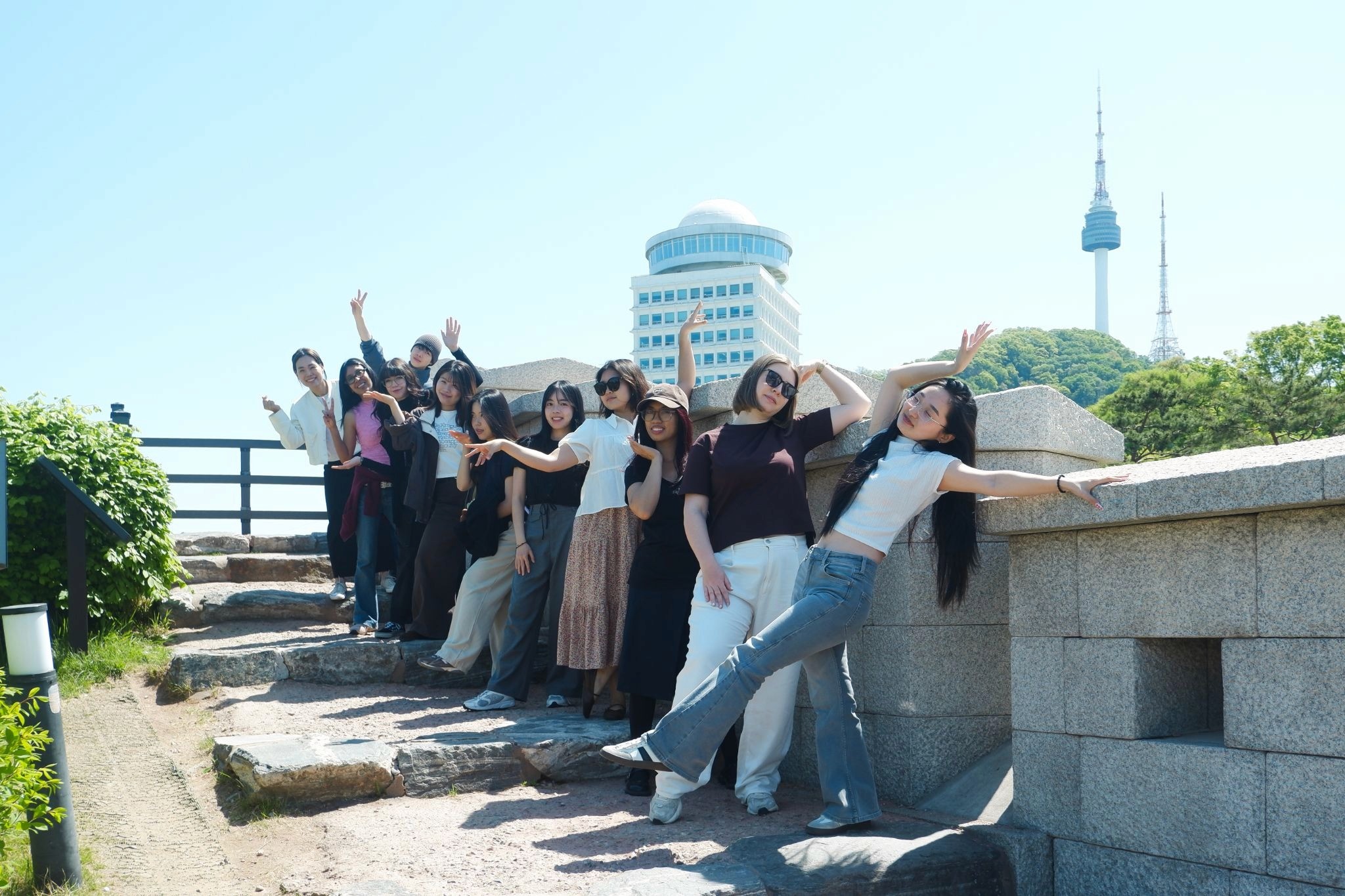
© Seoul X
Feeling that genuine human connection form within that space... that was the most rewarding part.
Q. When do you feel like you truly start to connect with people you've just met? Or do you have your own way of breaking the ice?
Jihwan I think getting close to someone takes a lot of conversation, but I try not to rush it. Sharing too much about yourself too fast isn't the way to go. When I'm approaching someone from a completely different cultural background, I tend to bring up something I know they'll relate to. If someone's from the U.S., I'll casually mention something trending there; if they're from Vietnam, I'll bring up a memory from when I visited.
Hearing someone talk about your own country when you're far from home — it feels like a signal that this person is warm toward you. I think it's a way of saying: I want to get to know you.
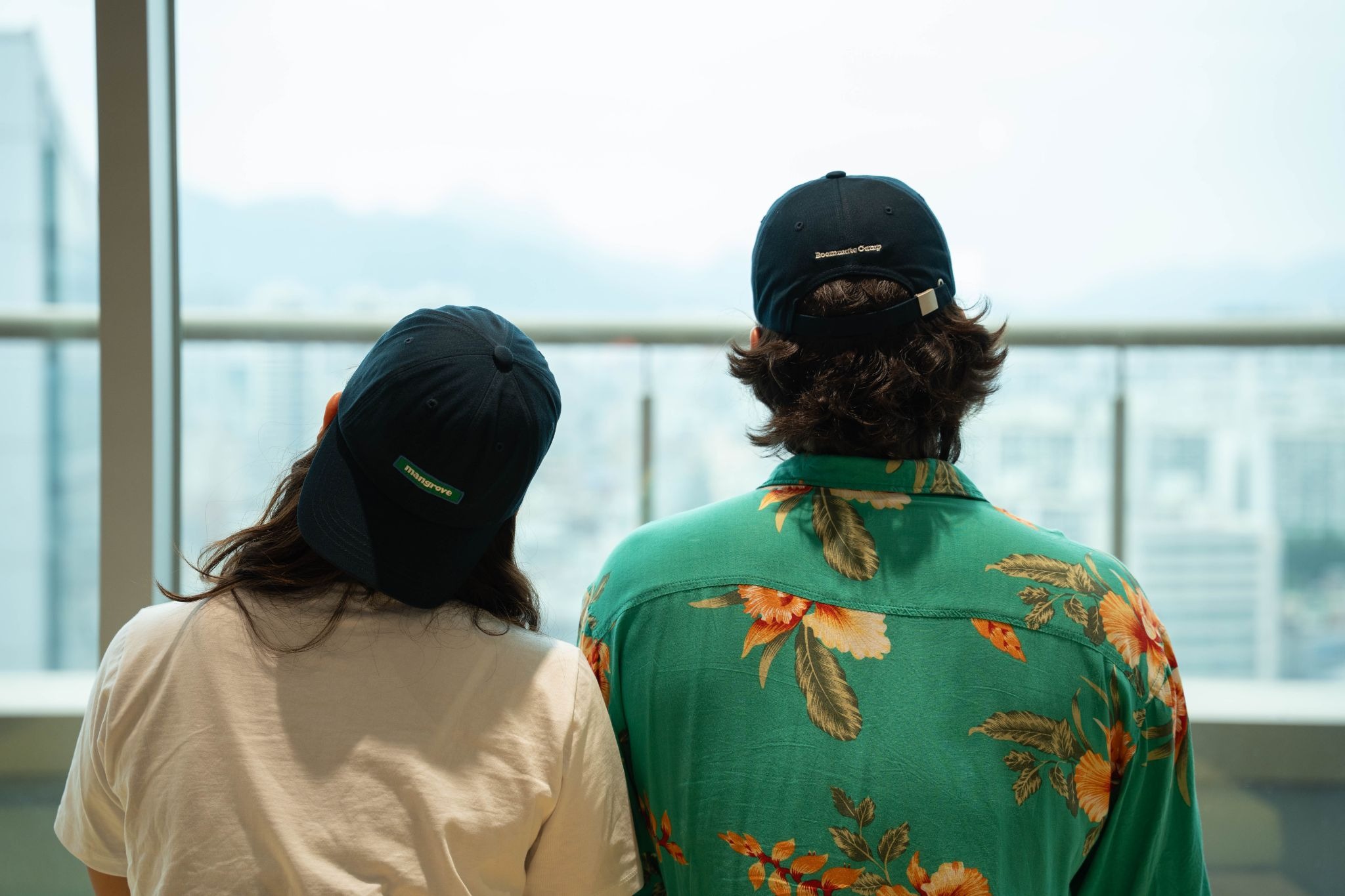
Aki The atmosphere was so much more comfortable than I expected that at some point, it stopped feeling like work and started feeling like we were all in it together. Seeing how passionate the participants were — how genuinely invested they were in learning the language and the culture — made me want to be the first to reach out and help.
I don't know if this counts as a tip, but whenever I meet someone new, I instinctively look for signs that they might be having a hard time and try to take care of them first. I think that connects to empathy, and when someone feels understood, conversation just flows more naturally.
Jihwan That's actually how Aki and I became close. On my very first day at Seoul X, I was sitting quietly by myself when Aki came over and asked, "Would you like some coffee? Some water?" out of nowhere. Meeting someone new in an unfamiliar environment, you're naturally a little tense, and she was the one who took that tension away first.
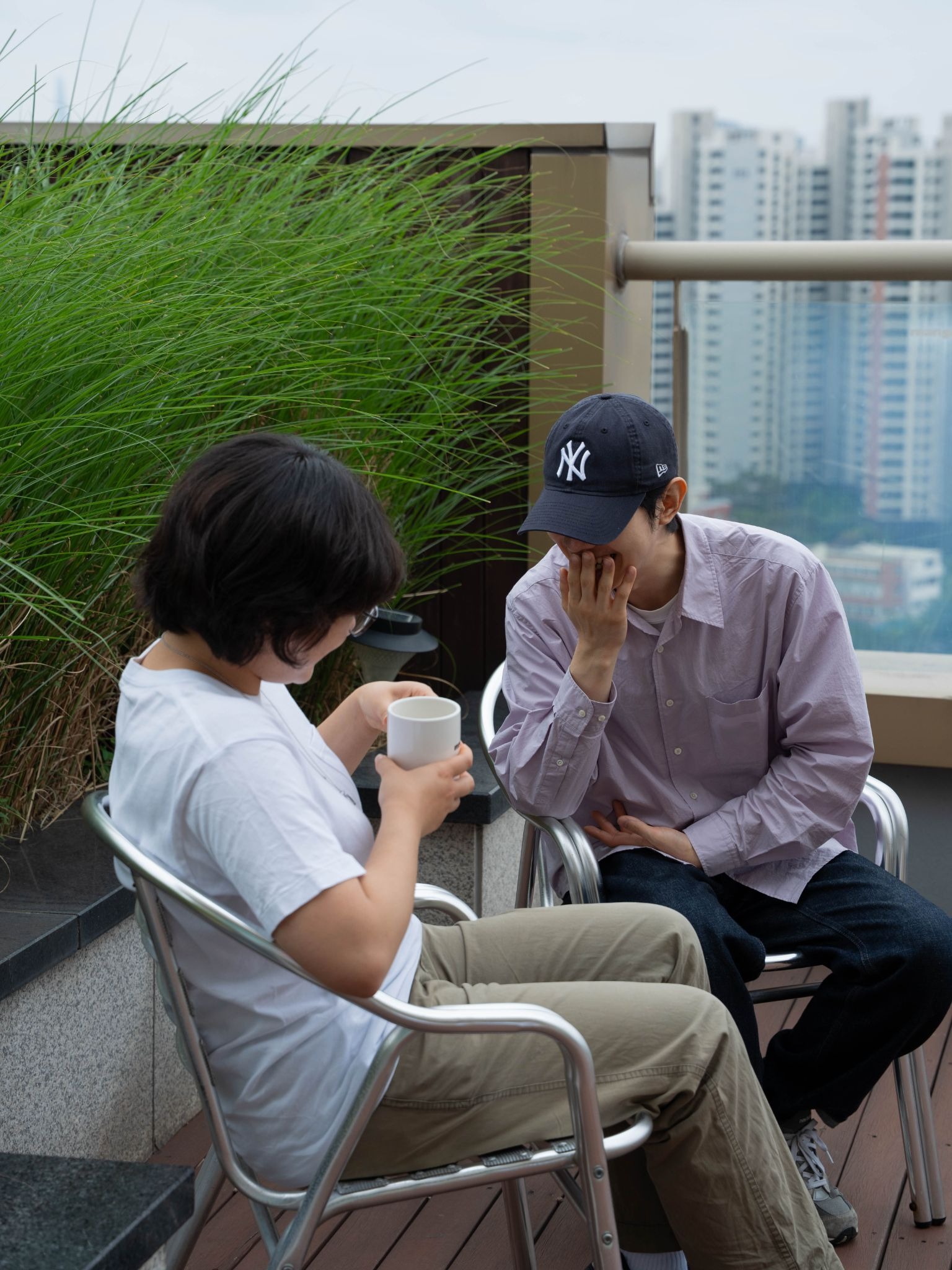
Q. What kind of home do you live in now?
Jihwan Right now I'm in a loft-style studio. By the time this interview comes out, I'll have already moved to Mapo. After four years of enjoying everything a loft has to offer, I'm making the move to a proper two-room apartment.
Aki I currently live alone in a ground-floor two-room unit near Myeongji University, on a monthly lease. I've been here for over six years and still don't want to leave! The neighborhood is quiet and safe, the rent is affordable, and my landlord is incredibly kind. I'm genuinely happy here.
Q. Settling into a new city is never easy. What was the process of finding a home in Seoul like for you?
Jihwan I must have looked at at least 30 places before settling on this apartment in Mapo. I lived in Yeouido for four years — there was nothing wrong with the place — but I really wanted a change of scenery.
There were a few reasons I chose Mapo. My family in Incheon has a dog, so I wanted to be close to the Airport Railroad for easy visits. A lot of my musician friends also live in Mapo. And I'd always had this vague idea that I wanted to try living around Mangwon and Hapjeong.
The most important thing for me in a home is natural light. My old place faced northeast and only caught the sun in the morning. The new one faces west and gets great light throughout the day. I fell in love with it the first time I walked in — and even after looking at 29 more units, nothing came close. I spend a lot of time at home, and since my work keeps me busy outside, rest at home really matters.
After all that searching, I came to one conclusion: finding a good home is about instinct. That feeling when you step inside and something just fits — like, this is a place I could live well in.
Even after all these years living in Seoul, it felt just like being a traveler in the city, in the best possible way.
Aki When I first came to Seoul, my Korean wasn't great yet, so I got set up in a goshiwon near my school. The facilities were fine, but the rent was pretty steep.
After a few months in the city, my Korean improved, and I started picking up more information through a group chat for students at my school — the kind where all sorts of useful things get shared. I spotted a post about a room opening up in a two-bedroom apartment nearby. I didn't know the roommate at all, but I went for it. I just really wanted to move. We split the rent, so it was much more affordable.
I've been in that same place ever since — I feel lucky. Finding something I liked quickly, without having to move around, has been a real blessing. My landlord has been so kind and helpful throughout.
Q. Were there any aspects of finding a home in Korea as a foreigner that felt unfamiliar?
Aki The upfront security deposit (보증금). Vietnam has something similar, but not on the scale Korea requires. Handing over a large lump sum upfront was new to me. My landlord was kind enough to walk me through everything, which really helped.
Finding a good home is about instinct.
That feeling when you step inside and something just fits — like, this is a place I could live well in.
Q. You stayed at Mangrove Sinseol for two weeks. Was there a space you especially loved?
Jihwan The shared spaces on the 20th floor — the library, the city lounge. The open view, the generous space, watching all kinds of people quietly doing their own thing or having conversations — it really stayed with me.
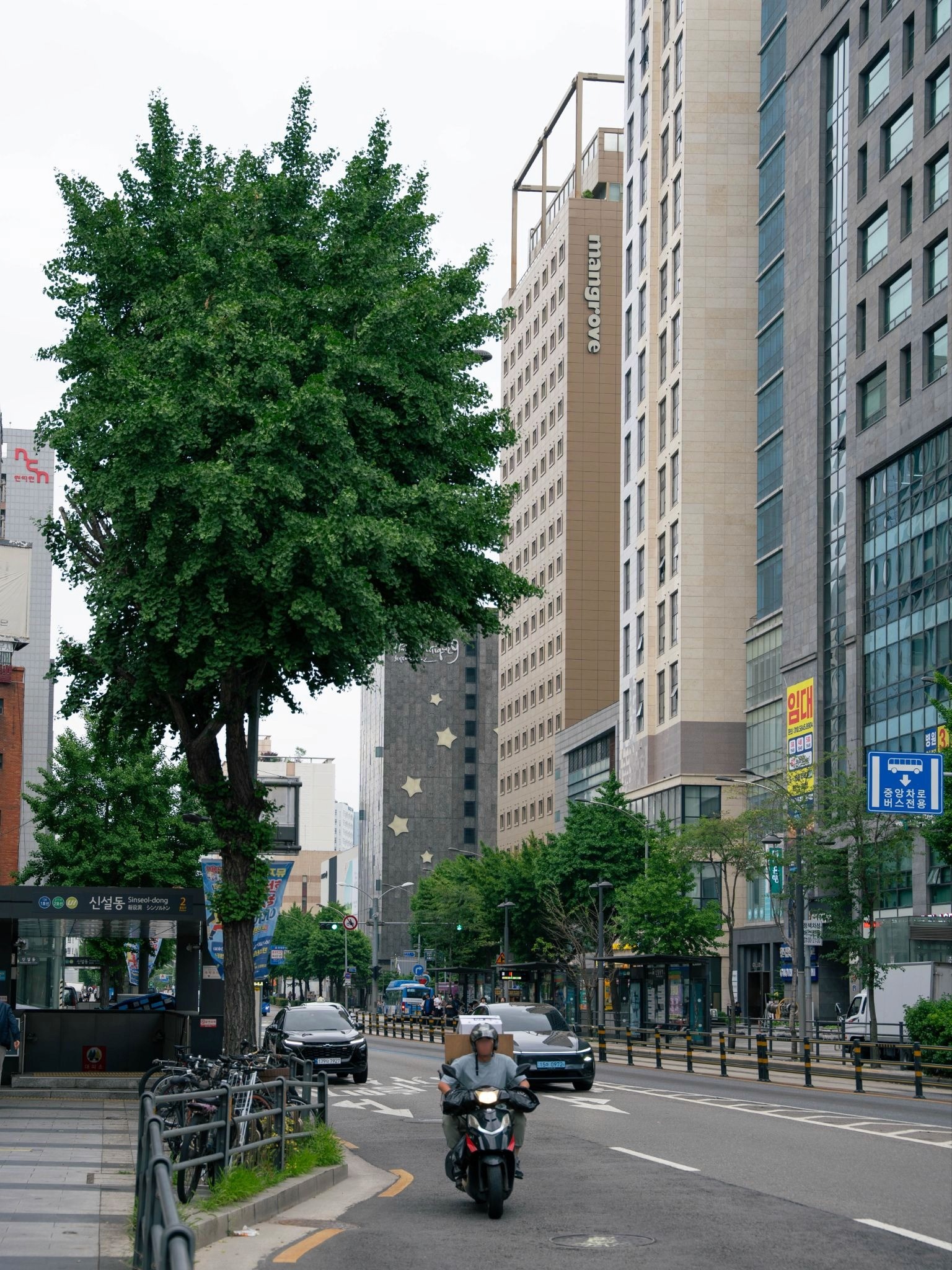
Aki My favorite moment was the morning after my first night at Mangrove Sinseol, getting ready for work. It was my first time waking up in accommodation right in the middle of Seoul, and even after all these years living here, it felt just like being a traveler in the city — in the best possible way. A few minutes' walk from the building and you're at the station. The busy morning energy and the sounds of traffic felt so different from my usual quiet neighborhood. It felt refreshingly new.

Q. How would you describe Mangrove in your own words?
Jihwan It's a place I'm really looking forward to collaborating with again through Seoul X. Having it as a space where our students can settle in before class and recharge after a full day — I think that would be really meaningful.
Aki If I were a traveler, Mangrove would be my first choice — without question. I've stayed at co-living spaces in other countries, like Japan, but Mangrove was better than all of them. It's not about figuring everything out on your own or putting up with inconveniences. It's the feeling of being genuinely taken care of. That sense of security was what I loved most.
Q. What does "home" mean to you?
Jihwan It's the most important space in my day, where it begins and where it ends. A place to work, to recharge, to look inward and reset.
Aki "Home" to me is a place that has everything I need and just feels warm and safe. Somewhere to come back to after a full day out in the world, sink in, and completely recharge. The kind of place where you pull the blankets over yourself and think — ah. I'm okay.
Q. Is there a dream or a plan you're hoping to make happen?
Jihwan To make music I'm proud of, and to be kind to the people around me.
Aki As I mentioned, living in different countries and collecting those experiences is a real-life goal of mine. So the next two or three years will probably be about slowly preparing for a new environment — a new place, a new chapter.
I trust that everything I've built here in Korea will be a solid foundation for whatever comes next. Here's to taking it one step at a time.
Written by Juneha Park
Photo by Seokhyeon Lee