
Home Life
[Knock & Talk] Mangrove Dongdaemun #710 Interview with Seung-bin
Life in a co-living house, where all kinds of people end up living side by side, has a lot in common with a team sport.
It overlaps especially well with korfball, a sport that values inclusion over competition.
We talked to Seungbin Lee, a Mangrover living at Mangrove Dongdaemun, about korfball, the sport you can't play alone, and what life at Mangrove has been like.
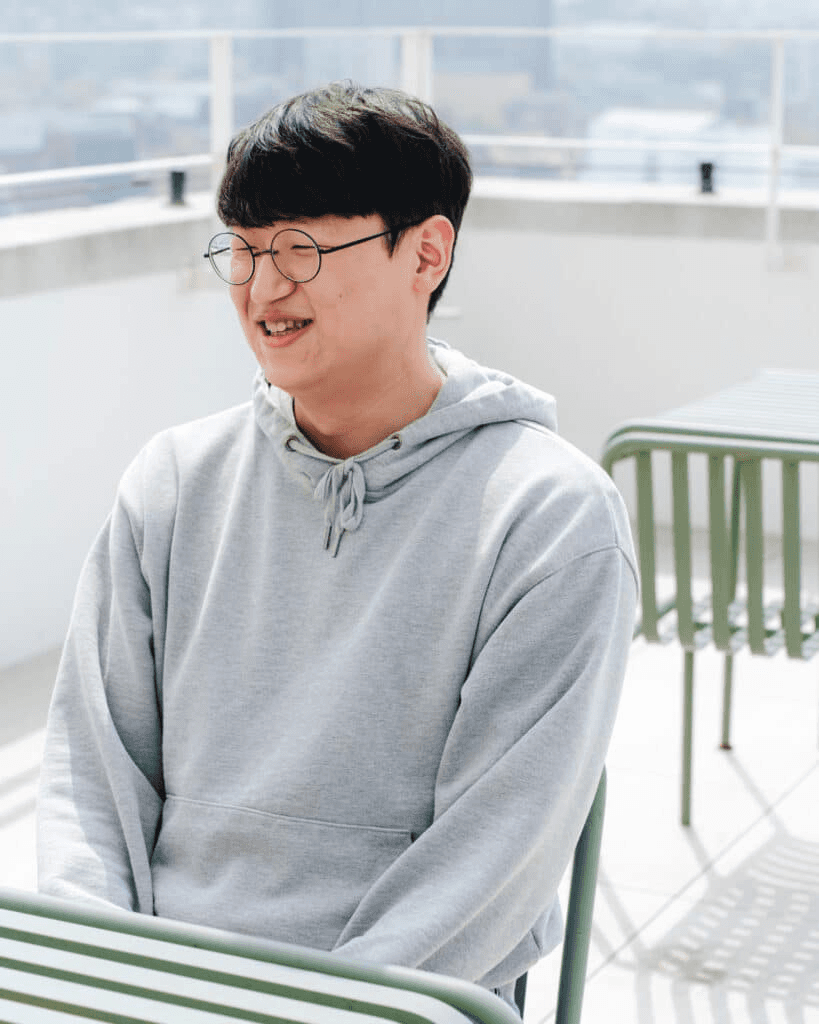
Q. Hi, could you introduce yourself?
Hi, I'm Seungbin Lee, and I've been living at Mangrove Dongdaemun for three years now. I graduated from a college of education, but I wanted to try working in a different field, so right now I'm studying programming and content creation at the same time.
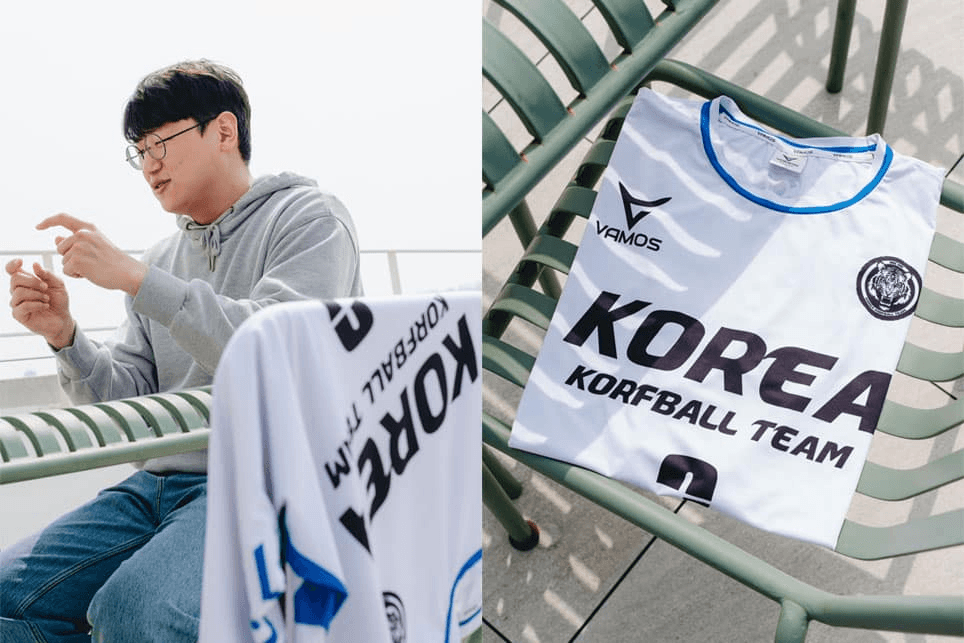
Q. I hear you're not just a korfball player, you also run the Seoul Korfball Club.
Yeah, that's right. It started as a club inside our college of education, and once we graduated, a group of us turned it into a proper club, that's the Seoul Korfball Club. We're not officially incorporated yet, but you could say we're the only korfball organization in Korea right now. We're in touch with the International Korfball Federation and working toward competing in various international tournaments.
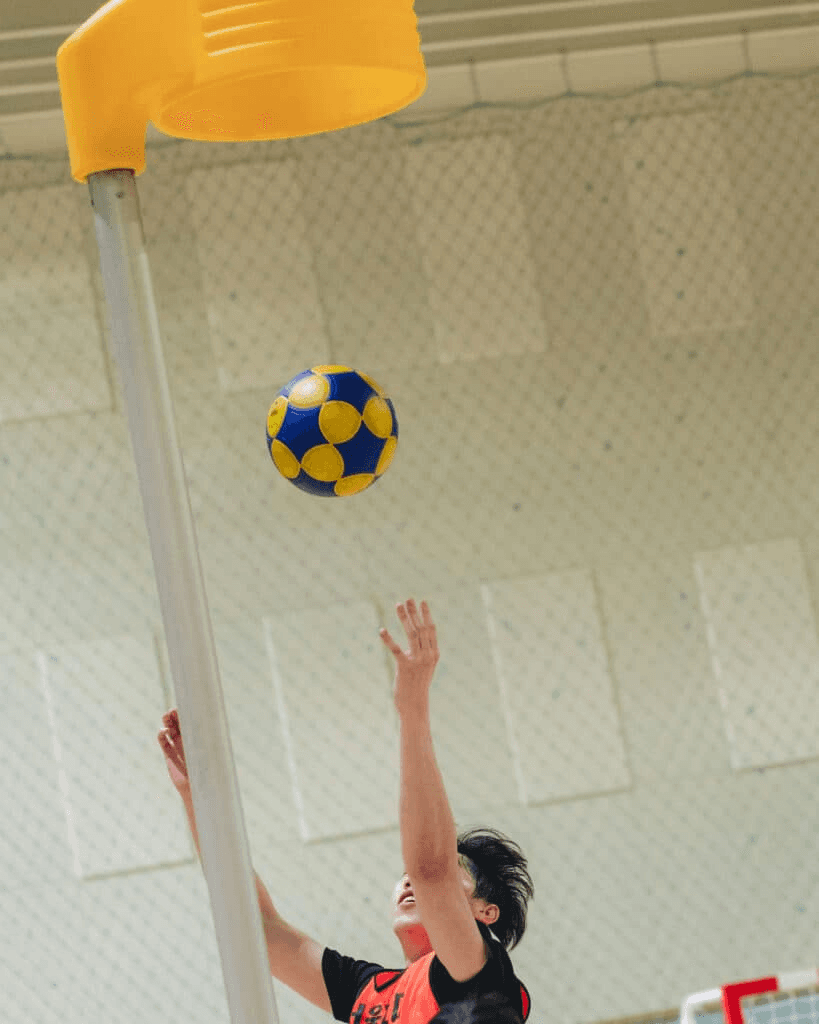
Q. Honestly, korfball is quite new to me. Could you break it down simply?
"Korf" means "basket" in Dutch. It's exactly what it sounds like, a sport where you score by getting the ball into a basket mounted on a tall pole. It's said to have been invented in 1902 by a Dutch elementary school teacher. As far as I know, it first came to Korea through Taiwan.
Q. Korfball translates to "basketball" in English. The name is pretty close to actual basketball.
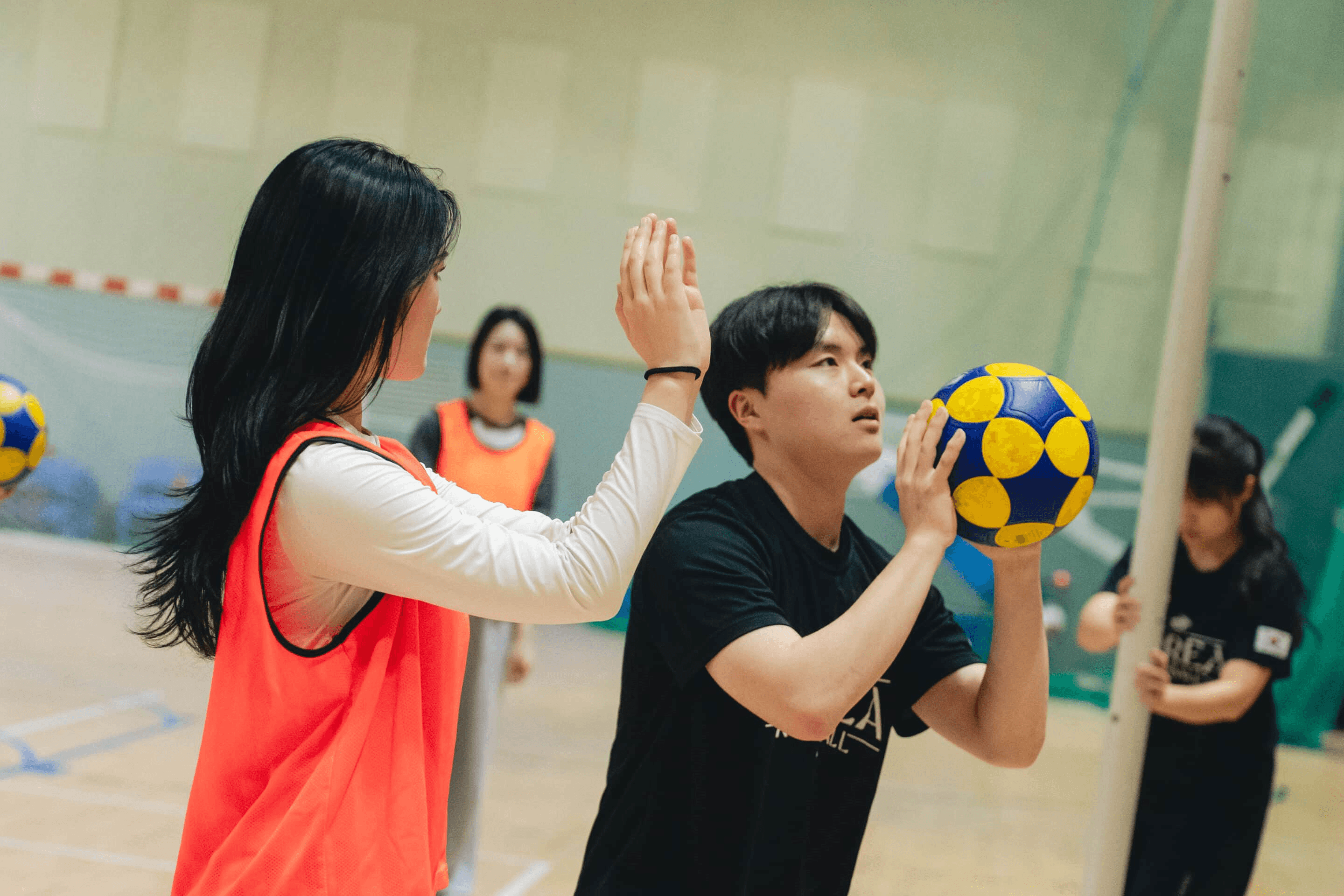
When people are encountering korfball for the first time, I usually say it's similar to basketball, but it's actually quite different. Unlike basketball, korfball is mixed-gender, men and women play together on the same team, and there's no dribbling at all. The basket sits at 3.5 meters, higher than a basketball hoop, and the space behind the basket is open too. That changes what skills and strategies you actually need. The basic idea, scoring into baskets at either end, is similar, but the details make it a genuinely different sport.
Q. The mixed-gender format is striking.
Funny enough, teams with strong women players actually have a real edge. Women players tend to have a higher scoring rate too. Defense is usually one-on-one, and women's movement tends to be more precise and subtle. Also, by the rules, men can't guard women and women can't guard men directly. That alone opens up a lot more tactical variety.
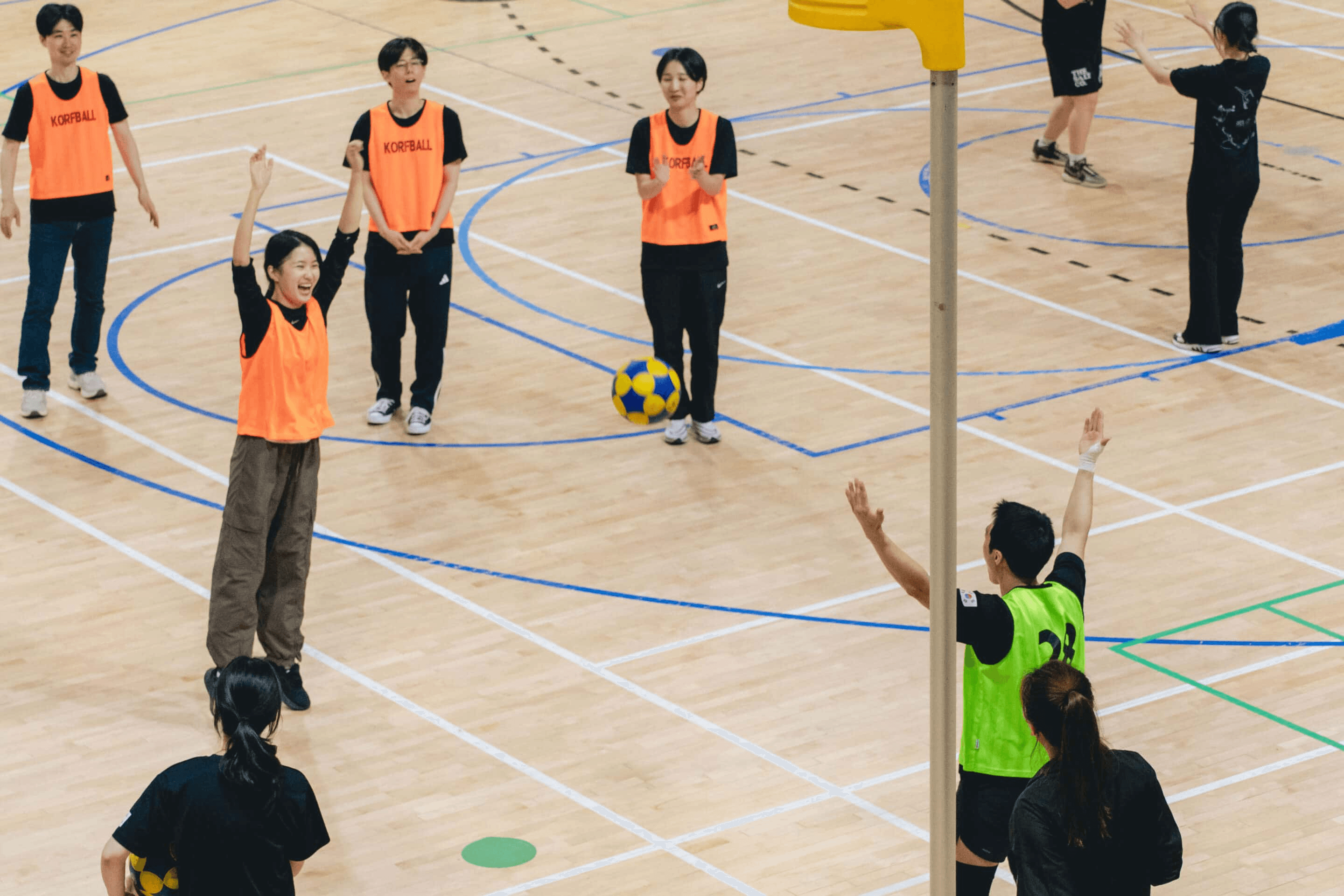
Q. If you had to pick just one thing that makes korfball special, what would it be?
Like I said, there's no dribbling in korfball. Instead, you have to break through the defense using passing and movement to get near the basket. That makes coordination and chemistry between teammates absolutely critical.
There's nothing in korfball you can do alone.
True to having been invented by an elementary school teacher, you can really see the thought that went into using the rules themselves to offset differences in physical ability. In basketball, if a defender's right in front of you and you still sink the shot, it counts. In korfball, taking a shot in that exact same situation just hands possession to the other team. You only get a real shooting chance the instant you pass to a teammate and shake the defender, and that window is genuinely a split second. That's exactly why teamwork matters so much.
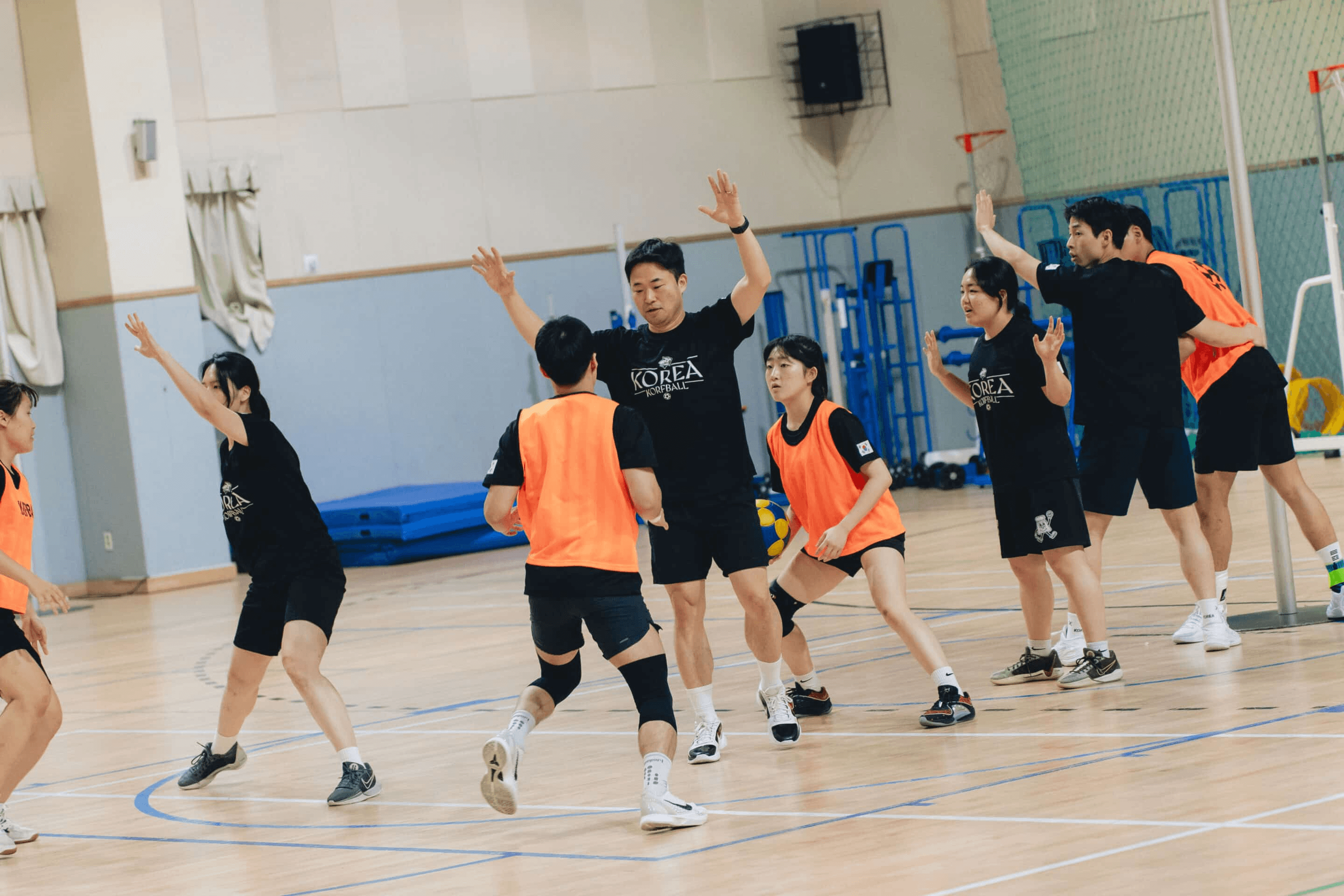
The joy of building a single goal out of passes back and forth during a match, that's still the biggest reason I keep playing korfball.
Q. I hear you've competed internationally a few times too.
Korfball has its own World Cup equivalent, the World Korfball Championship, held every four years. You have to get through regional qualifiers to make it, and Korea hasn't reached the finals yet. My biggest experience was competing in the Asia-Oceania Championship held in Japan in 2018. In 2023 I played in the Japan Cup, also in Japan, and last year, in 2024, the Asia Korfball Championship.
Q. I imagine there's been a lot of ups and downs along the way. What was your toughest moment?
When I came back after finishing my military service in 2023, the korfball club was basically on the verge of falling apart. Between COVID and the trouble we had recruiting members, there just weren't enough people left to run a proper training session. That's when I really threw myself into finding people to join. I held info sessions at school, built out training programs, and in particular started a YouTube channel and began building up content.
I honestly started it just thinking, at the very least, let's leave some kind of record. But the response wasn't bad at all, better than I expected. Beyond the view count, when a video has your actual friend in it, you naturally pay a bit more attention, and I think that's what got some people thinking, "maybe I should try this too." It's been slow and modest, but the club's grown to around 40 to 50 people now.
Q. Any moment that's stuck with you the most?
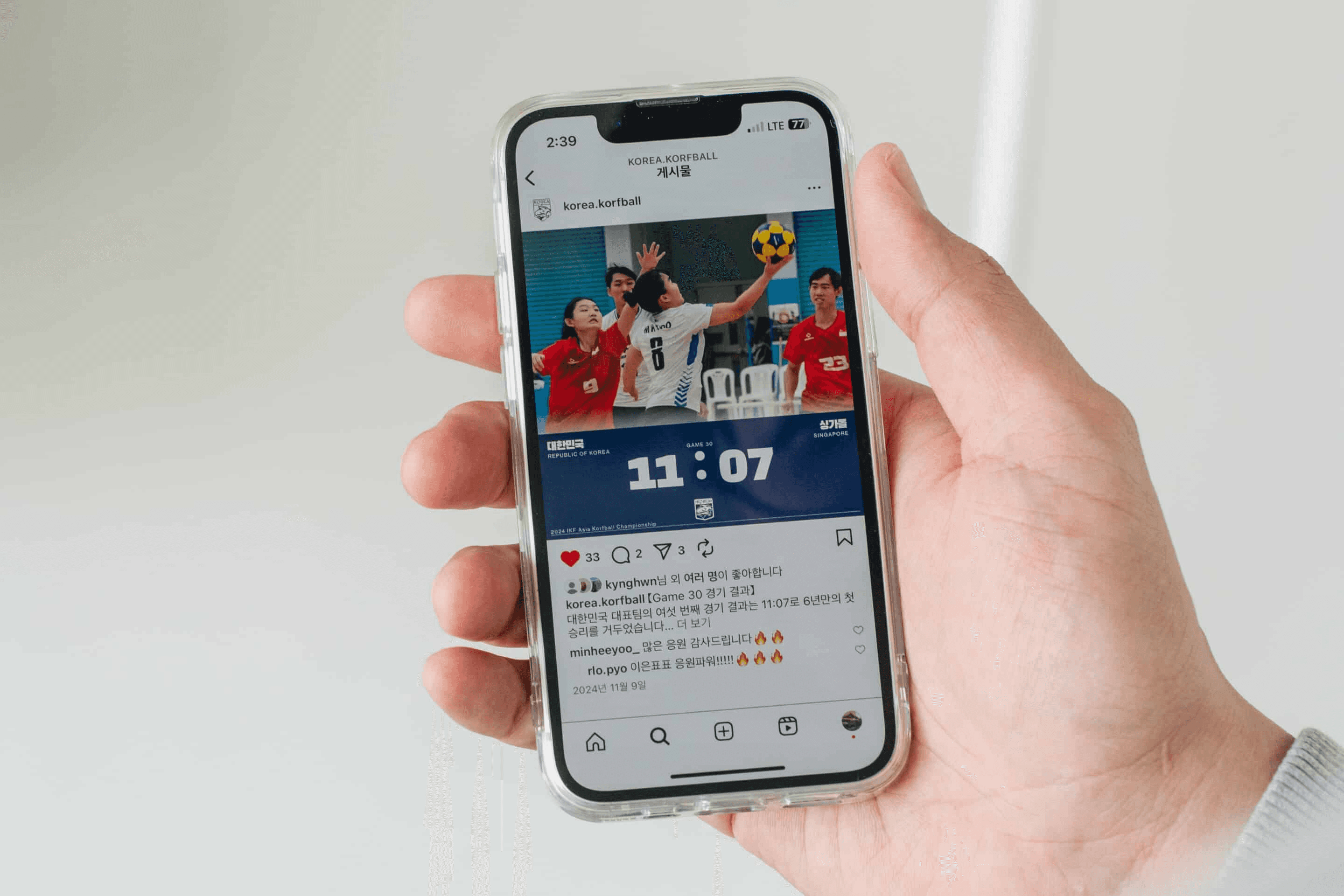
It wasn't our team's first official competitive win exactly, but there was a match we won after six years without one. We played Singapore at the Asia Korfball Championship, and we actually won. I unfortunately couldn't play in that match myself, but I remember watching it live on YouTube with the rest of the members, cheering them on. Watching two years of effort actually pay off like that, I just felt so proud of them, and so grateful.
Q. Mangrove's always interested in stories of people discovering who they are and growing into it. Since starting korfball, has there been a moment where you felt you'd genuinely grown?
Playing korfball taught me a lot about relationships. Between years of studying for exams and just not being a particularly outgoing person by nature, I used to not pay much attention to other people. But running the team and the community consistently, I started actually paying attention to each individual member. I'd say my view of people just widened, my capacity for it, in a way, got a little bigger.
Also, when international friends I meet through korfball matches show me kindness for no particular reason, it naturally makes me think, "I should be a good person too," "I should be kind." I'd say I've become a warmer person because of it.
Lastly, playing korfball opened the door to all kinds of experiences, YouTube, podcasts, you name it. Through all of it, I feel like I'm still in the process of figuring out what I actually love.
Q. What kind of person would enjoy korfball the most? Or what personality type tends to love it?
First, someone with passion. Since it's a sport almost everyone's learning from scratch, having that drive to actually get good at it helps you pick it up faster. Second, someone who genuinely enjoys doing things together. If you care more about what the team accomplishes than your own personal stats, and place real value in that, I think korfball can give you a strong sense of belonging as part of a "team."
Playing korfball widened how I see people. My capacity for it, in a way, got a little bigger.
Q. How did you end up finding and moving into Mangrove? Any connections you've made here?
I first found Mangrove Dongdaemun while looking for a place to stay in Seoul right after coming back from the military. Back then I was in a 6-person dorm room. I'm still in touch with people I met during that time, there was a friend from France, and there's still a friend I do a monthly book club with to this day. The roommate who had the bunk above mine back then is actually still my roommate now, in a 2-person room, and we get along great. I've invited him to korfball meetups too, of course.
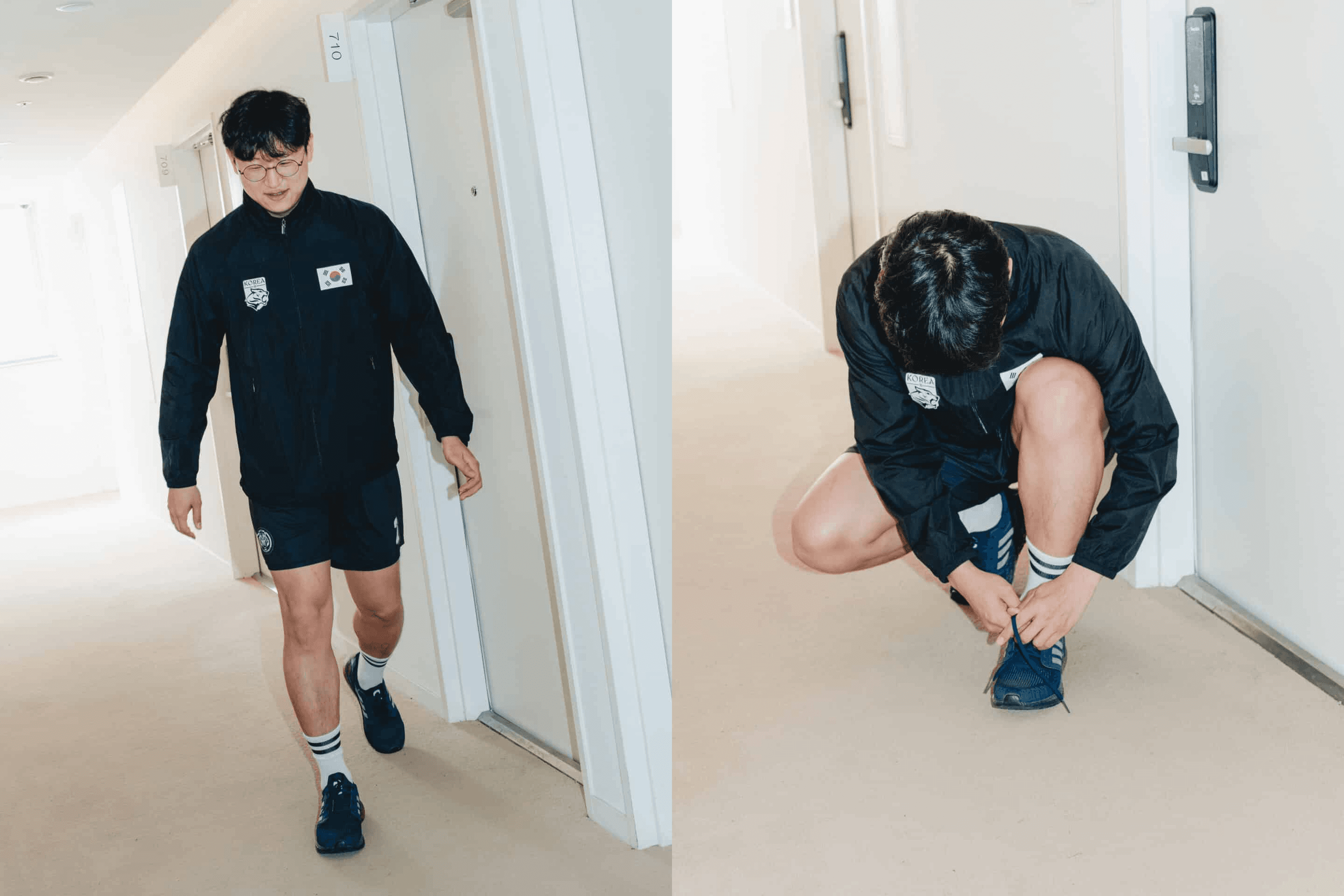
Q. Korfball, a sport built on inclusion over competition, and Mangrove, a new-living community where all kinds of people gather to live together, seem to point in a very similar direction. Has there been a moment where you felt that same sense of inclusion at Mangrove?
I've felt a lot of personal growth through the experience of living with other people. Whether it's the 6-person room or the 2-person room, sharing space with someone always brings friction, cleaning, daily routines, just different moods and conditions day to day, plenty of variables. But living together also means you get just as much comfort as you do friction. There are nights you come home and just want to vent to someone. My whole family's in Masan, South Gyeongsang Province, so I get lonely sometimes, and the korfball meetups and Mangrove both end up easing that a lot.
Understanding even the friction and still choosing to live alongside someone, I think that's exactly what inclusion is.
Q. You held a korfball meetup through the Mangrove Social Club. How did that go?
It was an honor getting the chance to introduce korfball to Mangrovers. It meant even more knowing our own club members got to enjoy it together too. Nobody got seriously hurt, and from what I could tell, people left having run around a lot, laughed a lot, and genuinely had fun, pretty much exactly what we'd planned for. I was relieved.
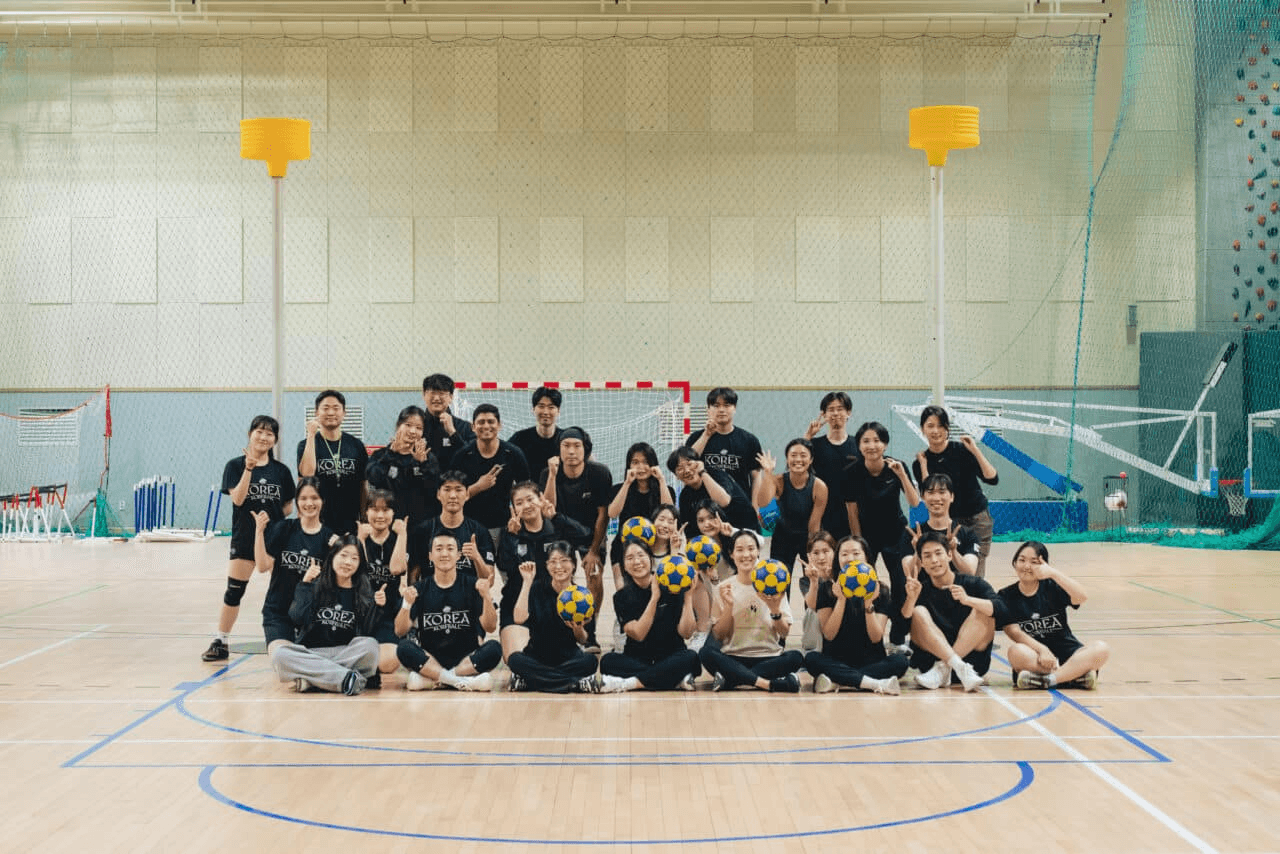
Q. Could you walk us through a typical day at Mangrove Dongdaemun?
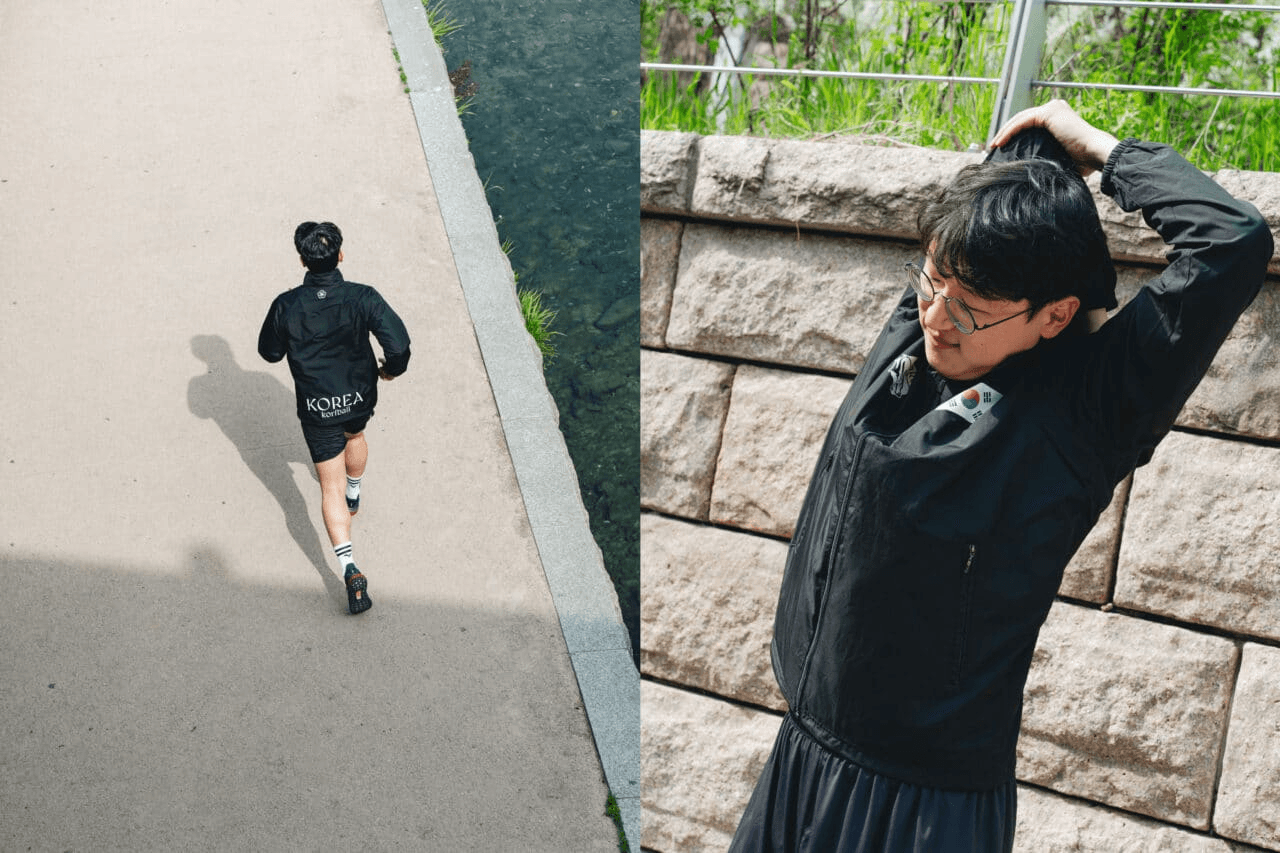
When I wake up, I open the curtains, make the bed, knock out a few quick things in my room, and head out around lunchtime. There's a café I like in Sindang where I work on job applications or edit YouTube videos. If the weather's nice, I'll go for a run along Cheonggyecheon in the evening. At night, I chat with my roommate for a bit before bed. And every Wednesday, Friday, and Sunday, I've got korfball training.
Q. What's your favorite space at Mangrove Dongdaemun?
We usually hold the after-party for korfball meetups right at Mangrove Dongdaemun. The 15F canteen especially, that's basically our unofficial hangout. Mangrove Dongdaemun's just so well connected to the rest of Seoul, there's a bus stop right across the street, and all the late-night buses stop just behind Gwanghui-dong too. Since you can get pretty much anywhere in Seoul from here, our members really appreciate it when it's time to head home. (laughs)
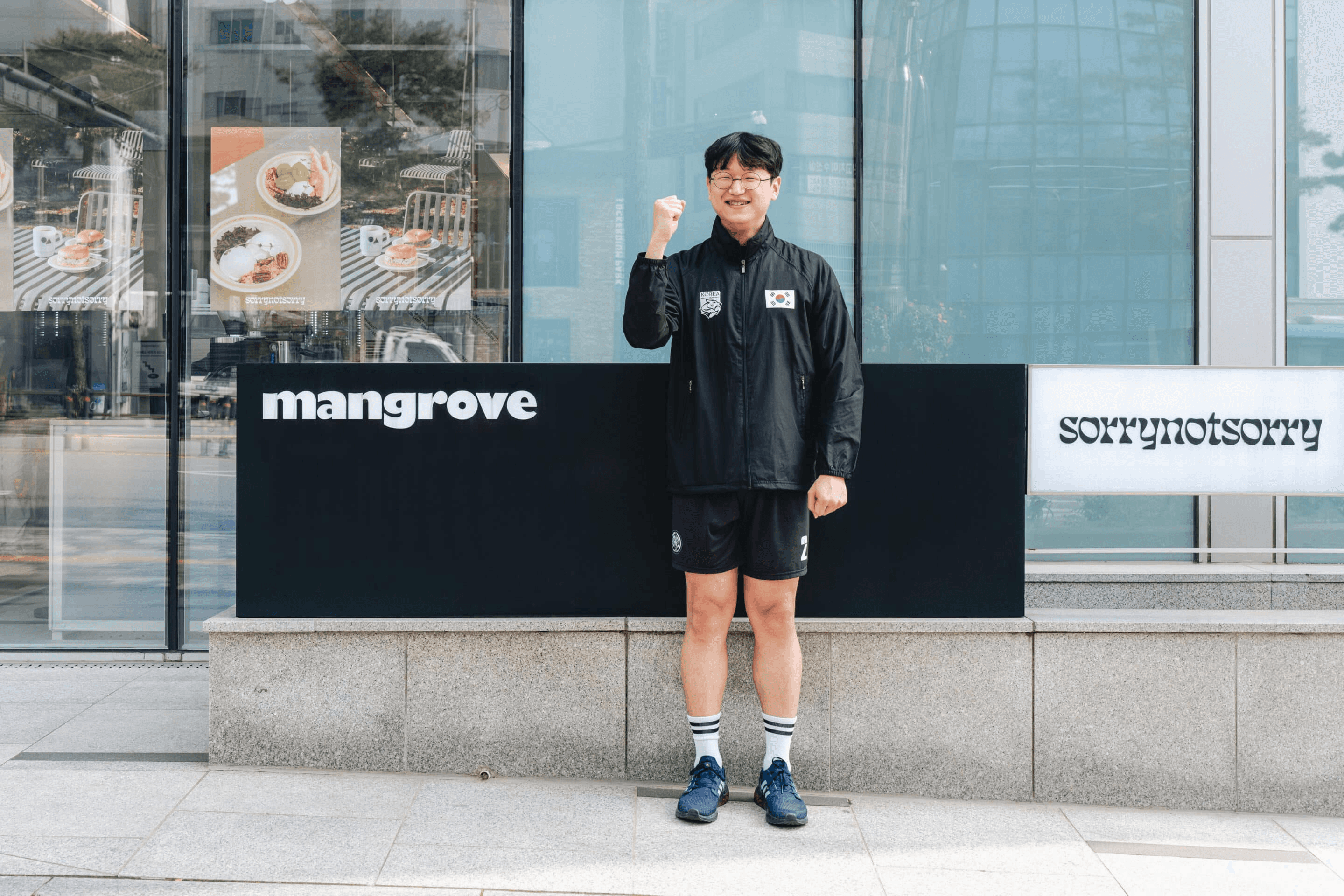
Q. Any favorite spot around Mangrove Dongdaemun you'd recommend?
I love a lamb skewer place called Asia. It gives you this feeling like you've actually landed in Central Asia, and the food's cheap too. I also love jogging up along Cheonggyecheon. You can comfortably make it there and back in about 30 minutes, and the sound of the water's nice to run to.
Q. What does home mean to you, Seungbin? Or what would you want it to be?
To me, home is a place where I can set my worries down for a while and just laugh. I think home should be the place where you leave your worries outside the front door and spend your time here laughing and recharging instead.
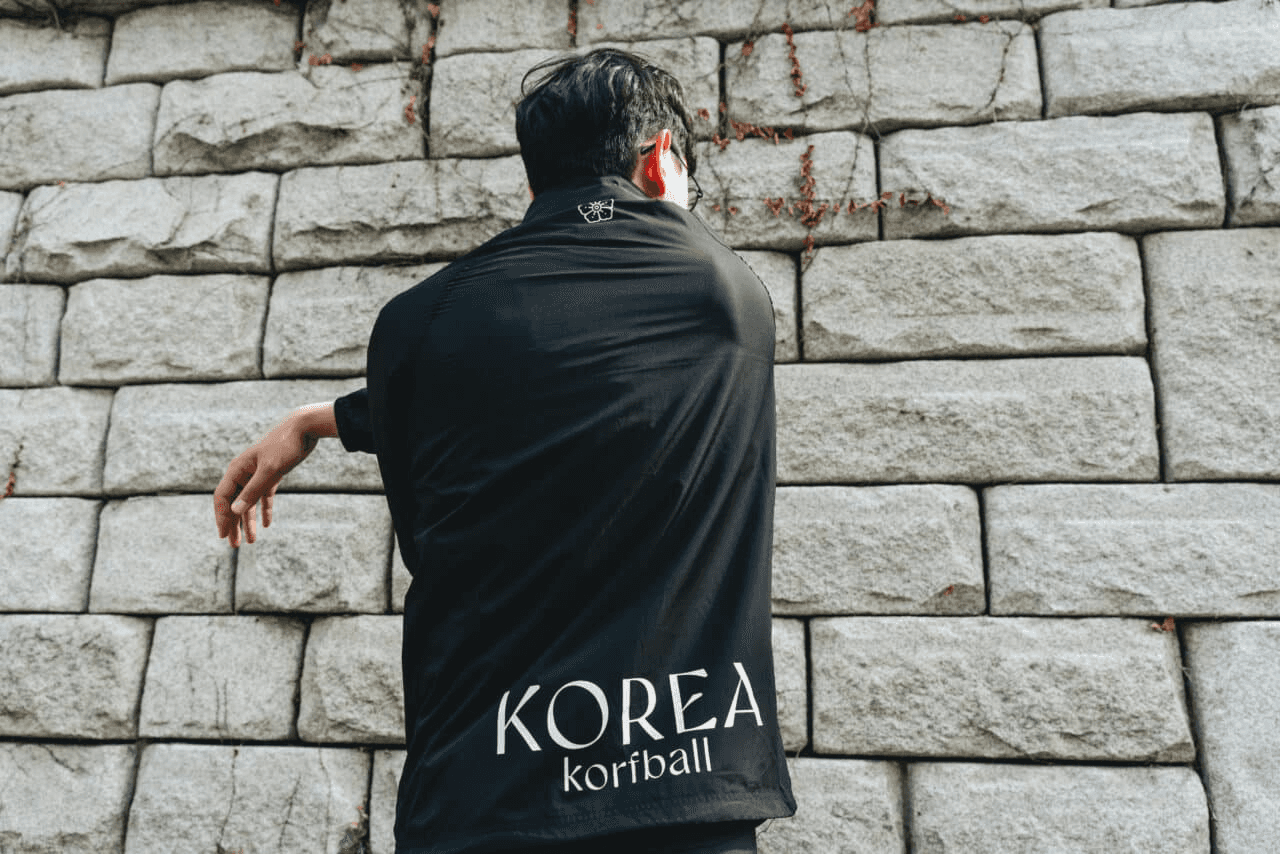
Q. What are your goals going forward?
Personally, I'd like to become a producer/director. I used korfball as an excuse to make small bits of content here and there, and through that I think I discovered how much happiness there is in making content and giving people something to talk about, so I'd like to pursue that as actual work.
And I want to formally launch a korfball federation. The World Korfball Championship is happening in the Netherlands in two years, and competing there is the goal. Right now, players have to pay out of their own pockets just to compete overseas. I keep thinking about how great it'd be if we could become an official organization and actually send players using federation funding instead.
Written by Sungkook LEE, Juneha Park
Photo by Lakyeom Yi





