People
[Meet & Talk] Interview with MSC Partner “Butground”
Being around people who are different from you is how you stumble onto tastes you never knew you had. The Mangrove Social Club, the wellness community that adds color to life at Mangrove, shows up for Mangrovers every month.
MSC doesn't run on the Mangrove community team alone, it's built together with valued partners who help shape each program. This time, we sat down with Butground, the partner behind our connection through the Spontaneous Fruit Club program. We talked with them honestly about sustainable food culture and community.
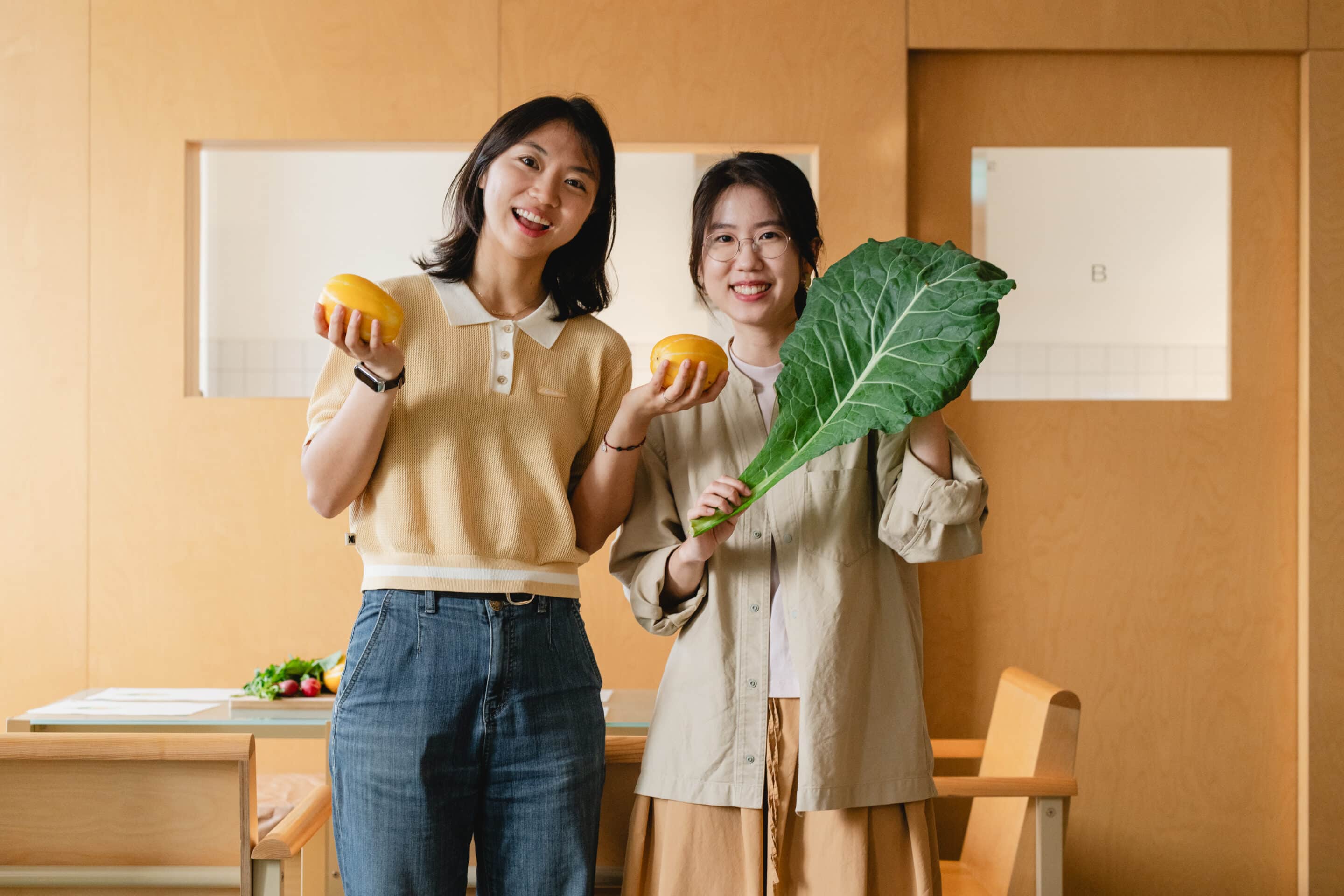
From left, Gihyun Bae and Gayoung Baek
Q. Could you introduce yourselves briefly?
Gayoung Hi, I'm Gayoung Baek. At Butground, my title is "Keeper of Seasonal Sense."
Gihyun Hi, I'm Gihyun Bae. My title is "Keeper of Health."
Q. That word, "keeper," is interesting.
Gayoung Now that Subin's joined, we're a team of three. We came up with "keeper" as a way of saying we'd each be the other's mentor and protector. Instead of something stiff like CEO or director, we each put whatever we focus on in front of the word "keeper." So I'm mostly the one suggesting what to eat once a certain season rolls around.
Gihyun I'm the one always pushing everyone to work out, for our health. Though honestly, the rest of the team's better about it than I am at this point. Really, calling each other by these titles is our way of reminding ourselves, just by existing alongside each other, to keep caring about seasonality and health.

Q. Tell us about Butground.
Gayoung & Gihyun Butground is a sustainable food culture platform built around spreading the word on sustainable eating and sharing people's first experience of it together. We run educational programs in and outside of schools, meeting young people and teaching them how their meals connect to the environment. We also run community programs built around "seasonality" and "place of origin," making it easy for people to fold natural eating into everyday life.
For us, sustainable eating starts with getting to know the relationships behind what we eat. That sense of connection is exactly what the word "but," meaning friend or companion, is meant to carry. And the things we want to connect with are sitting right there in the "field," or "bat." Maybe that's why most of what we actually do comes down to meeting, meeting people, meeting nature, meeting ingredients.
Q. What's the meaning behind the phrase "first experience"?
Gayoung & Gihyun We noticed there's a real gap in how people relate to the phrase "sustainable eating." If you already know about it, you know it well, and if you don't, it's a complete blank. But eating's something you can't skip in life, every single meal forces you to choose what you're going to put in your body. And once you get even a little curious, your understanding naturally keeps expanding from there. So we landed on this definition: our job is to be there for people's first experience of sustainable eating, guiding them and talking them toward that path.
Q. What made you decide to start Butground in the first place?
Gayoung & Gihyun Butground started in 2019 as a small club at our university. Our first goal was just to open a farmers market on campus. We wanted to get fresh fruit and vegetables to college students and people living alone, the kind of people who have a hard time eating well, along with the stories of the farmers who grew them.
Over about three years of keeping that going, we met a lot of people working toward "healthy eating" in their own ways, farmers, cooks, you name it. Those meetings pushed us to redefine what healthy eating even meant to us. We wanted to spread the idea that a healthy meal isn't just about your own body feeling good, it's bound up with the natural environment and the people who actually grow the food too.

You could call the kind of healthy eating we're after an "organic meal," in the connected sense of the word. A meal that's connected to something just feels more natural, more enjoyable. Eating seasonal vegetables that grew naturally in healthy soil, without burning through a ton of fossil fuels, and thinking about the farmer who grew and sent them while you eat.
But doing that alone, imagining the people and stories behind your plate, or eating in step with nature's clock, turned out to be genuinely hard. Life gets busy, and meals just keep getting pushed further down the list.
So we chose to do this together. It might look like the opposite of fast and convenient, but there's a kind of ease you only get when people gather.
ⓒButground
Q. What's a Butground activity that's really stuck with you, or that you're especially fond of?
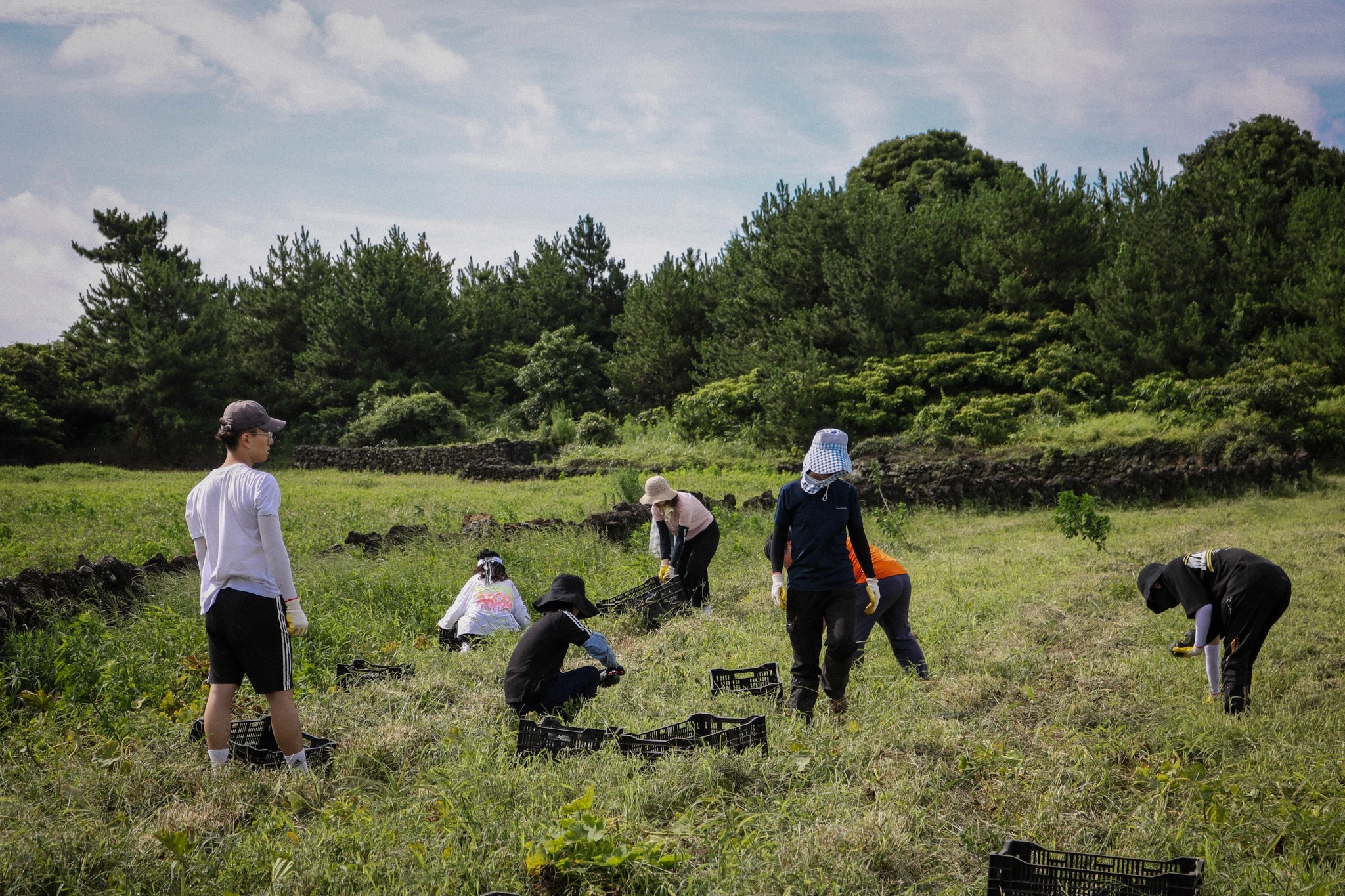
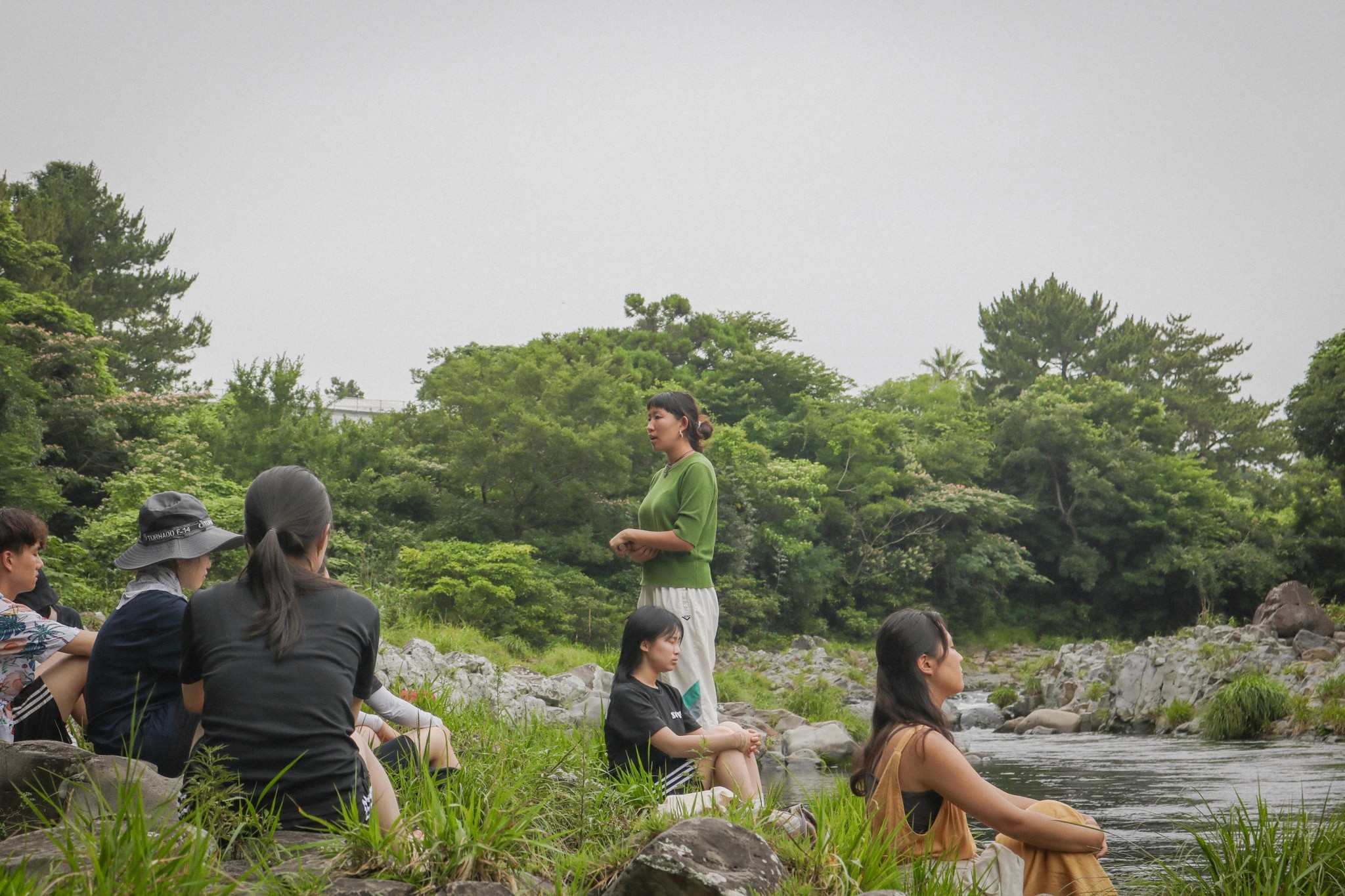
Gayoung & Gihyun First, "The Table of Hospitality." It's a seven-day, six-night eco-gastronomy trip to Jeju with college students. It's an experience-driven camp, meeting Jeju's eco-friendly producers, meeting nature, tasting sustainable food. It goes past knowledge into something you feel in your body, so the impression it leaves runs deep. Even people who'd never cared about sustainable living or food before usually come out of it wanting to live differently.
Then there's "Thanks and Greetings," an exhibition and party we held at the end of 2023 looking back on our work that year. It was a chance to thank everyone we'd met along the way and lay out everything Butground had actually been doing. Looking back at meals, teaching, the company, the farming, the reporting, it really hit us how much running around we'd done to build a sustainable food culture, and how much we owed to so many people's hands along the way.
Everything Butground's gotten to experience, it's thanks to Butground's friends. And we'd love to keep becoming friends with more people, more beings.
Introducing what Butground does is basically the same thing as introducing our friends.
ⓒButground
Q. And the most memorable person?
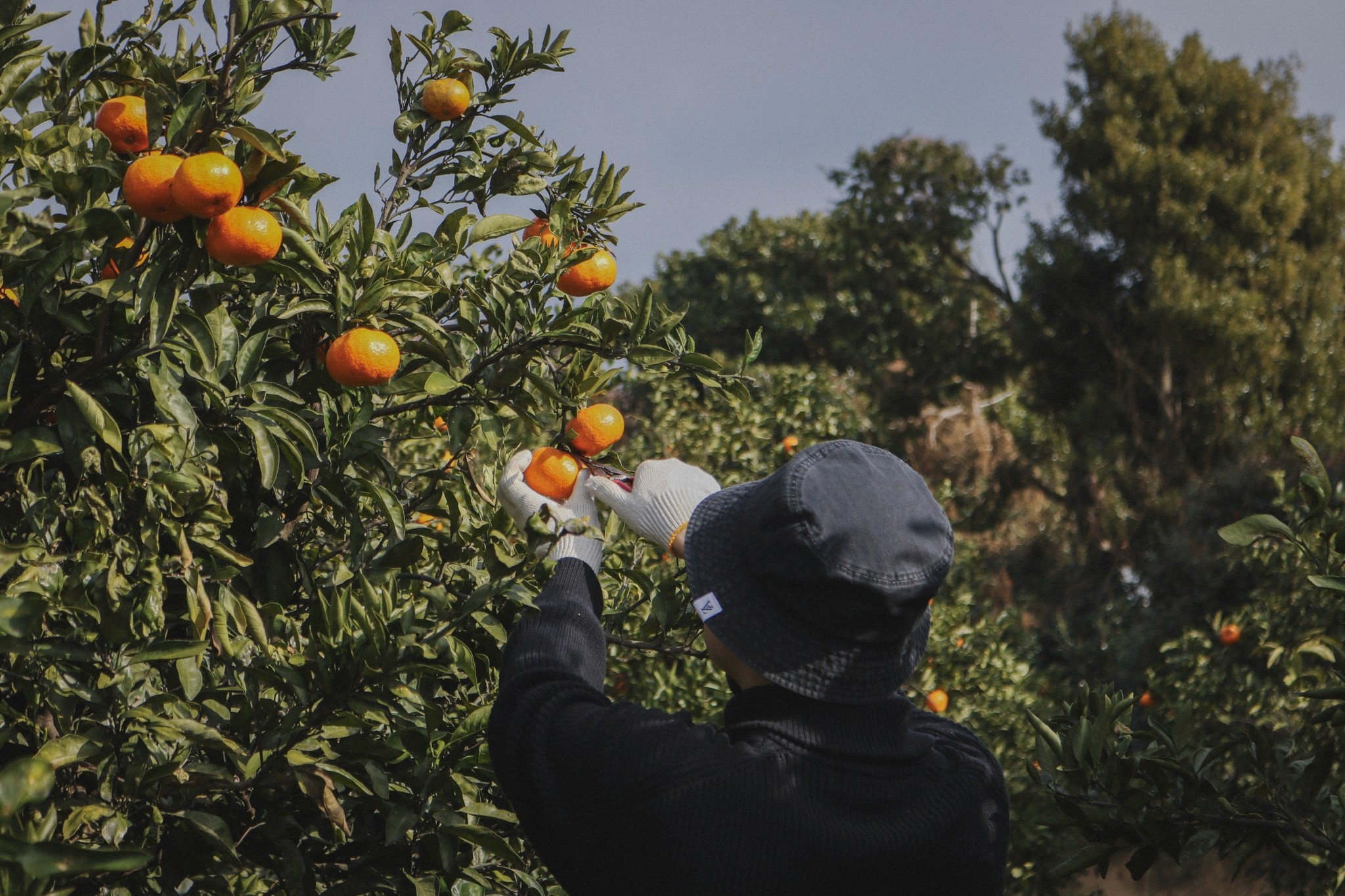
Gayoung & Gihyun It's hard to pick just one, honestly, everyone we've met has left an impression. But the one coming to mind right now is Sanhaneul Community, the very first people we met after starting Butground. They're a producer community under the Hansalim cooperative, growing apples and grapes in Geochang, South Gyeongsang Province. They're the ones who opened up the path toward sustainable food culture for us, so they've stuck with us.
Up to that point, "sustainable eating" to us had meant food that was good for the environment and good for our own health. After meeting them, we realized the sustainability of the people actually producing our ingredients mattered to us just as much, that there were people out there living completely different lives but pointed in the exact same direction we were. That really moved us. It ended up being the turning point that made us decide we had to keep Butground going.
ⓒButground
Q. We'd also love to hear about your toughest moment.
Gayoung & Gihyun I don't think it's actually happened yet, though it could. If anything, the most intense stretch, more than "hard," was our first year after founding the company. Everything was new, and we were learning by running into walls constantly. Hashing out, fiercely, exactly what "work" we wanted to do and what it meant, and actually getting on the same page about it, that wasn't easy at all.
Q. Looking back at that stretch, how do you feel you changed or grew steadier because of it?
Gayoung & Gihyun It was a time of tuning ourselves to the same frequency. We listened to each other's intentions and ideas, brought them together, and eventually managed to define and sum up what we do in a single sentence: "We spread the word on sustainable eating, and share people's first experience of it together." Getting to the point where we could write down that one sentence, the one that captures both what Butground does and where it's headed, took about two years, I'd say.
Q. Lighter question this time. What's your favorite seasonal ingredient?
Gihyun Potatoes, for me! June's coming up, and I'm looking forward to the summer-solstice potatoes that show up then. There are so many potato varieties, it's actually fun tasting how different they all are. I especially love homemade potato chips, slice the potatoes thin with a mandoline, go heavy on the olive oil and pepper, and you've basically got a delicacy. For fruit, I love watermelon. Potatoes and watermelon actually have something in common, they're both hard to get through alone, they taste best shared.
Gayoung It's hard for me to land on just one. One thing that's changed since starting Butground is that my favorite ingredient just shifts with the season now. I've genuinely come to love seasonal produce, specifically. Right now, I'd say the thing you absolutely have to eat is early-harvest onions. They're sweet and crisp enough to eat raw, and since they don't keep well year-round, you can really only enjoy them during this exact window.
Q. Early-harvest onions, that's new to me. What makes them different?
Gayoung It's not actually a separate variety. Onions get classified as early, mid, or late depending on when they're harvested. Early-harvest just means the first onions pulled out of the ground. Compared to the late-harvest onions most people are used to, early ones don't store well, but they're incredibly mild. Late-harvest onions keep longer, but they're sharper. You can actually tell which one you've got just by how much it makes you cry while you're slicing it.
Think about Korean food, onion's almost never the main act, it's always a supporting player in some other dish, soups, stews, japchae, jeon. It's hard to actually focus on what an onion tastes like on its own. But early-harvest onions are sweet and mild enough to eat solo. They're great grilled just as they are, or raw with a dab of doenjang.
Q. Right after this interview wraps up, the Spontaneous Fruit Club program is starting here at Mangrove Dongdaemun. Could you give us a quick rundown?
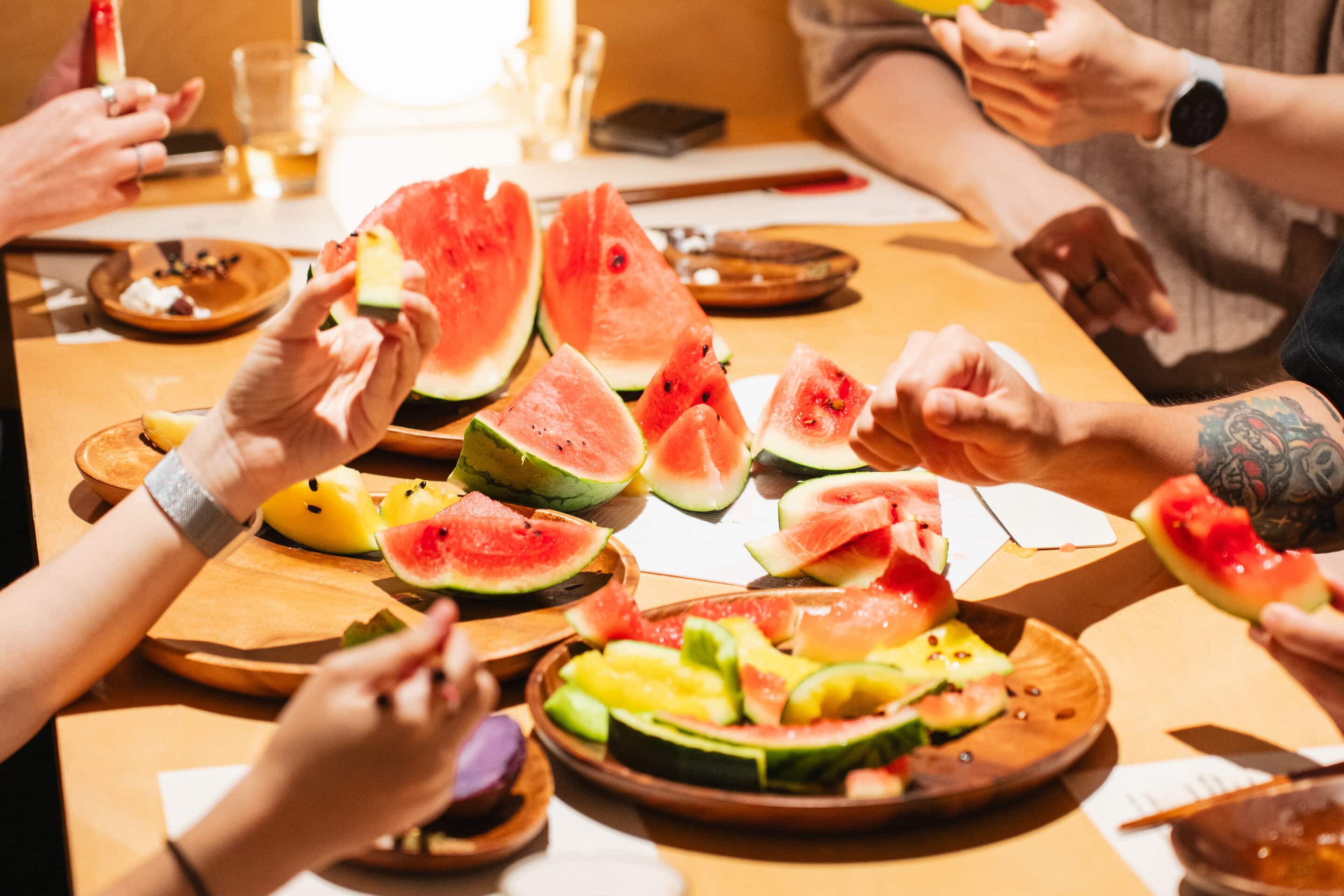
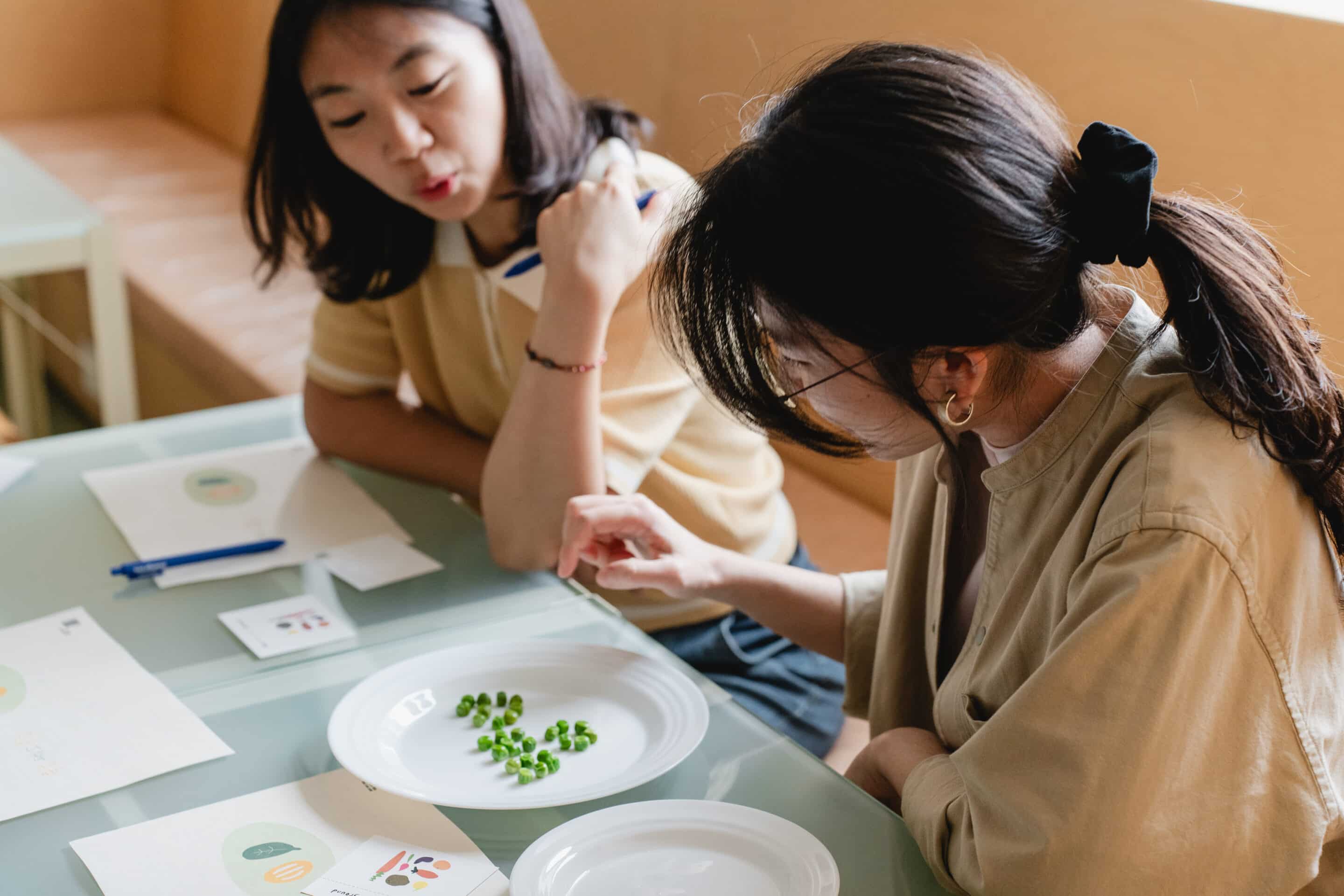
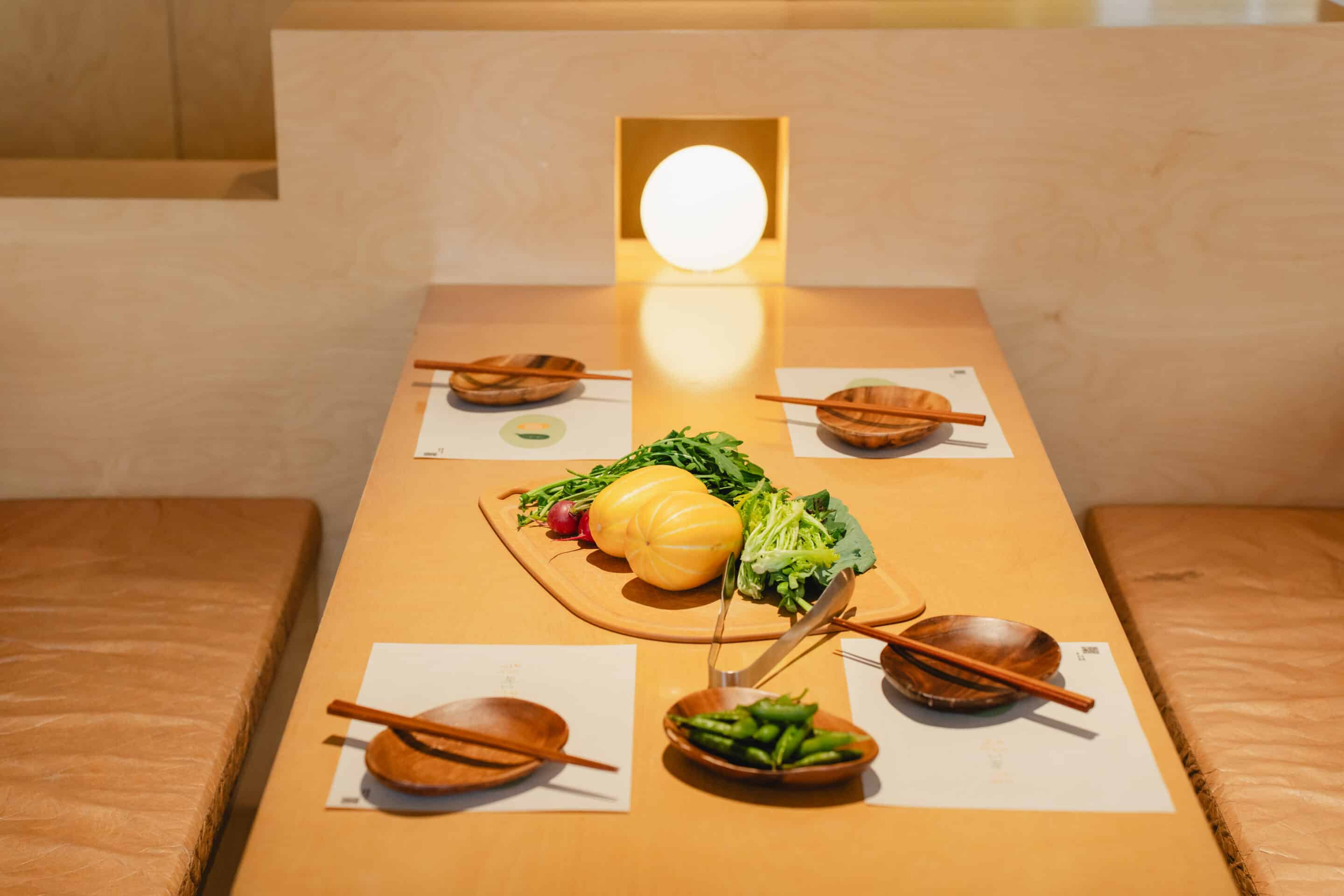
Gayoung & Gihyun Spontaneous Fruit Club is a program where people gather to eat fruit and vegetables together. Tasting the season together connects us, to each other, to the season itself, and to the producers and the places this food comes from.
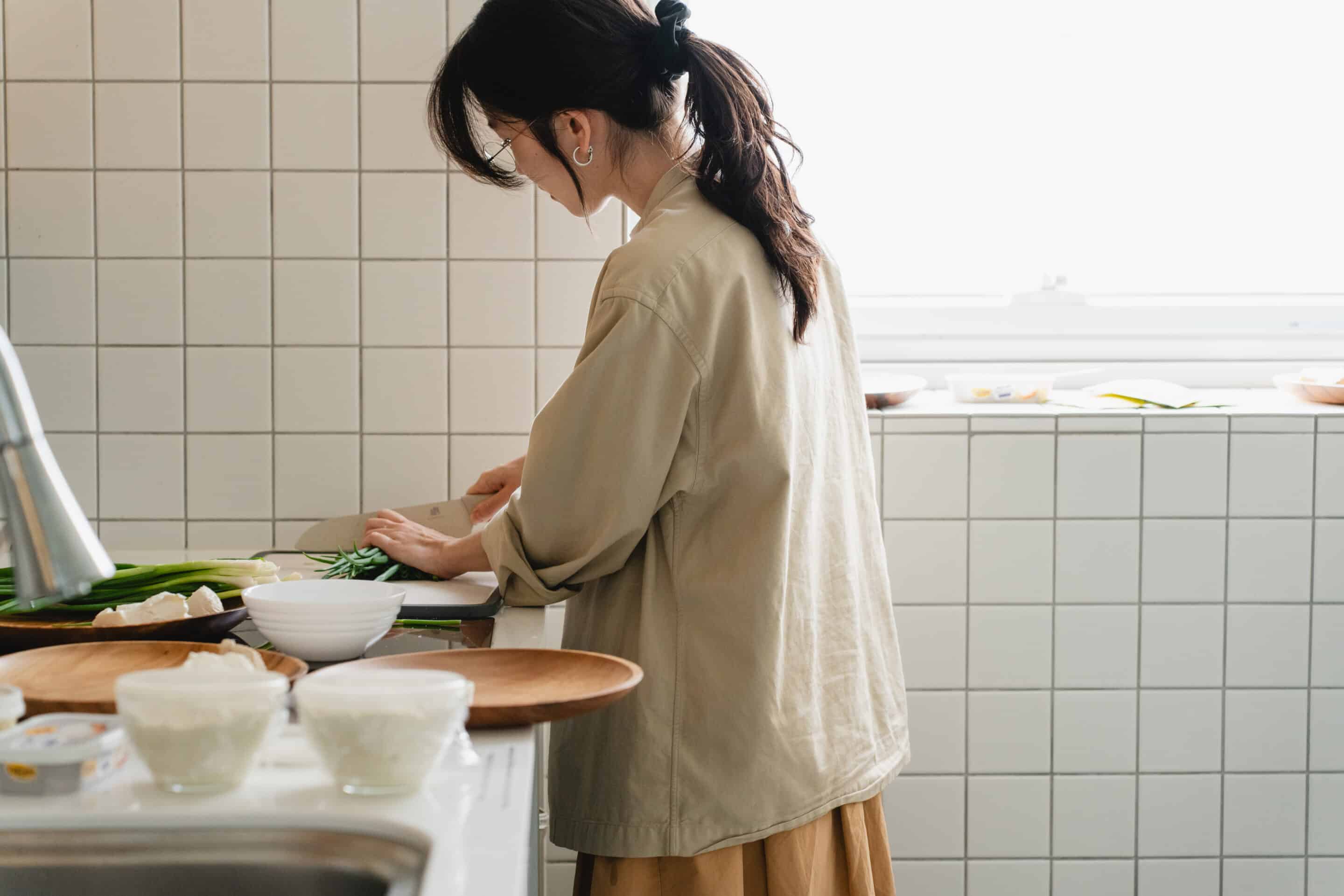
Just eating plain fruit and vegetables feels like it's missing something, so we bring a range of salad dressings to bring out the flavor. We don't hand out the recipes, though. It's also a time for people to experiment, adding things, leaving things out, finding their own taste as they go.
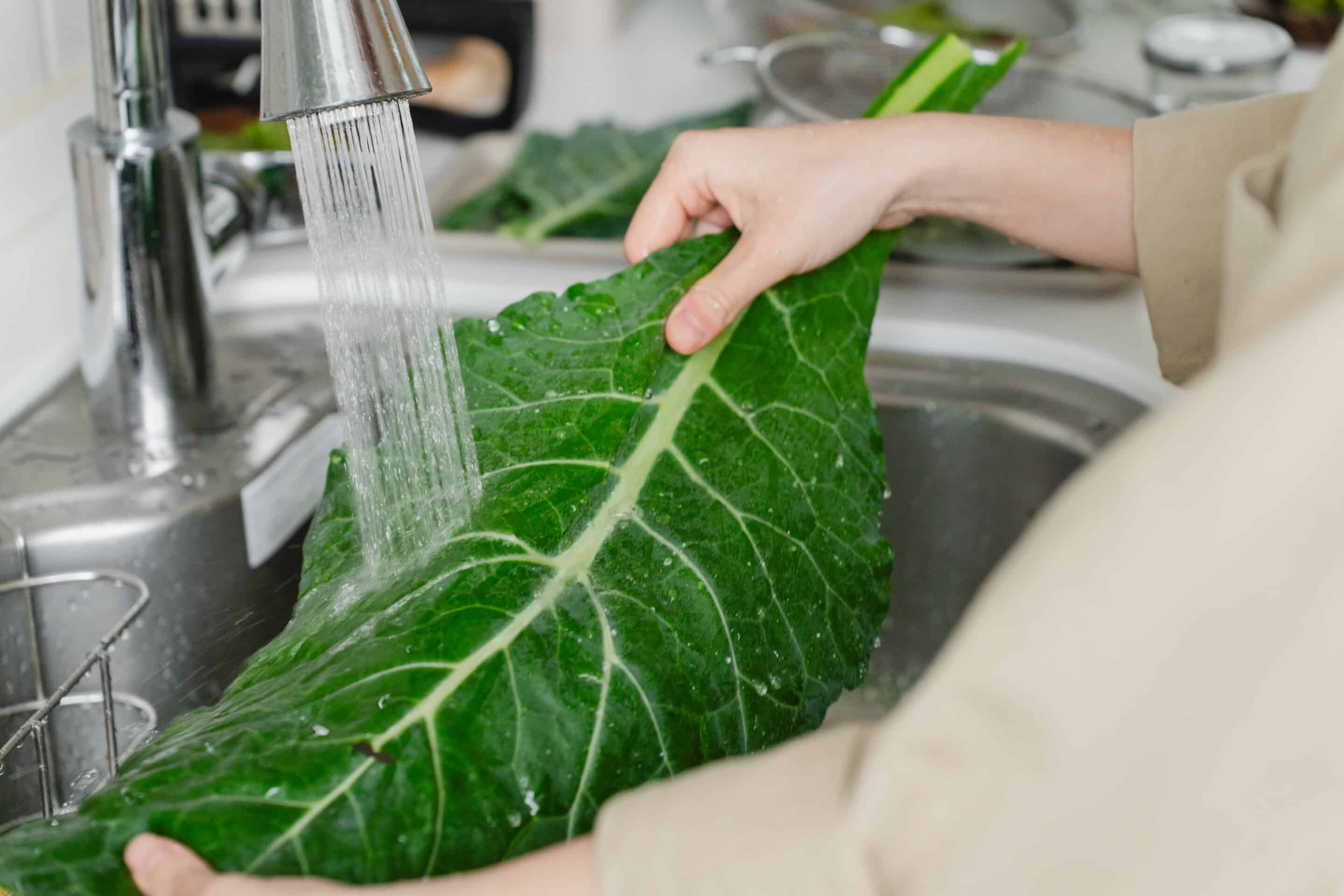
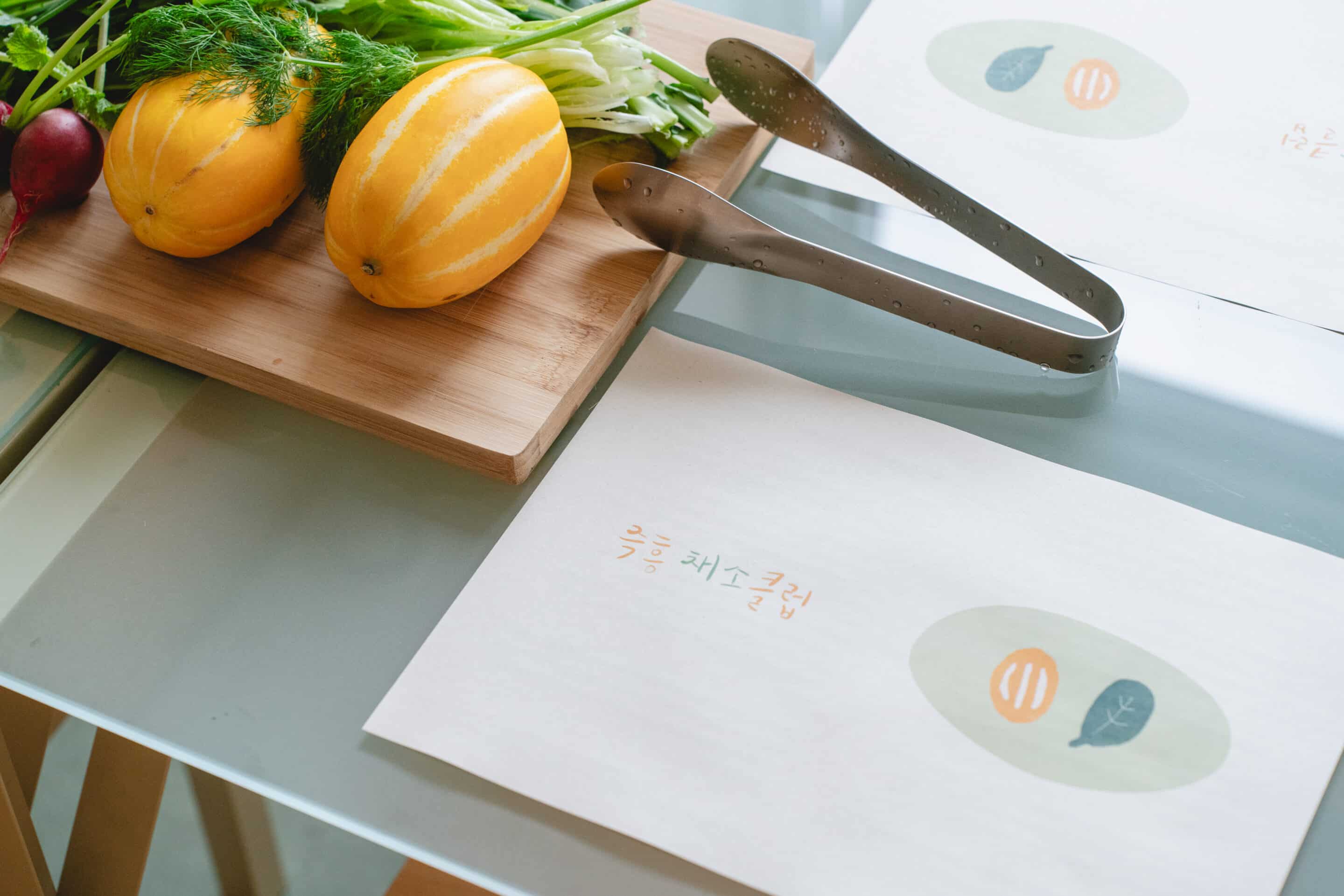
For this round, we've brought Korean melons, carrying the start of early summer inside that yellow skin, plus kale on the side. Both are organic, sourced from one of the few growers in Seongju producing them eco-consciously.
Q. You've crossed paths with Mangrove multiple times now through the Mangrove Social Club. What was your first impression walking into a Mangrove space?
Gihyun The atmosphere just felt good, honestly. The first place we visited was Mangrove Dongdaemun, and seeing people eating or working before the event started, it felt like a space set up so anyone could comfortably enjoy it. It also made setting up our own event a lot easier on our end.
Gayoung I already knew about Mangrove before that, actually. It always felt cozy and comfortable, and I'd thought more than once that I'd love to actually live there.
Thanks to MSC, we get to build a real, deep relationship with the people and the space at Mangrove, and that makes us happy.

Q. Butground builds community around food, Mangrove builds it around home. Are there similarities or differences between the two?
Gayoung & Gihyun I think what's the same is that both are families, just one living under the same roof and one not. The difference is that Mangrove gathers people around a physical space, while Butground gathers people around food as a theme. Mangrove has an actual physical space, so it can foster those natural, organic meetups. With the Spontaneous Club, even though it happens inside a Mangrove space, it tends to pull in people who specifically care about the topic.
Q. What are Mangrovers, the people living at Mangrove, generally like, in your experience? Any memorable moments or stories from running the programs?
Gayoung & Gihyun They strike us as relationship-oriented people. Open to meeting others, respectful of each other. Every time we run into Mangrovers through our programs now, it genuinely feels like running into family. It's the kind of relationship where leaning on each other for help doesn't feel awkward at all. I think that's exactly why this is a community and not just a program. We end up leaning on Mangrovers ourselves sometimes. When setup runs late and we're short-handed, there's always someone, family, who rolls up their sleeves and jumps in. We're always grateful for that.

Q. Just like you think hard about sustainable food, what matters most for building a sustainable community, healthy connection between people?
Gayoung & Gihyun This is actually a fresh question we've been chewing on lately. What even is a community, and what makes one a good one?
I think a sustainable community needs that sense of being able to lean on each other.
Q. What does "home" mean to Butground, or what should it be?
Gayoung & Gihyun It's where your most basic self-care begins, I think. We want it to be a place where you can take care of your own meals, build an environment that actually lets you rest, and fill it with the things you love. It doesn't have to be grand, we just hope everyone gets to have a space that's truly for them.
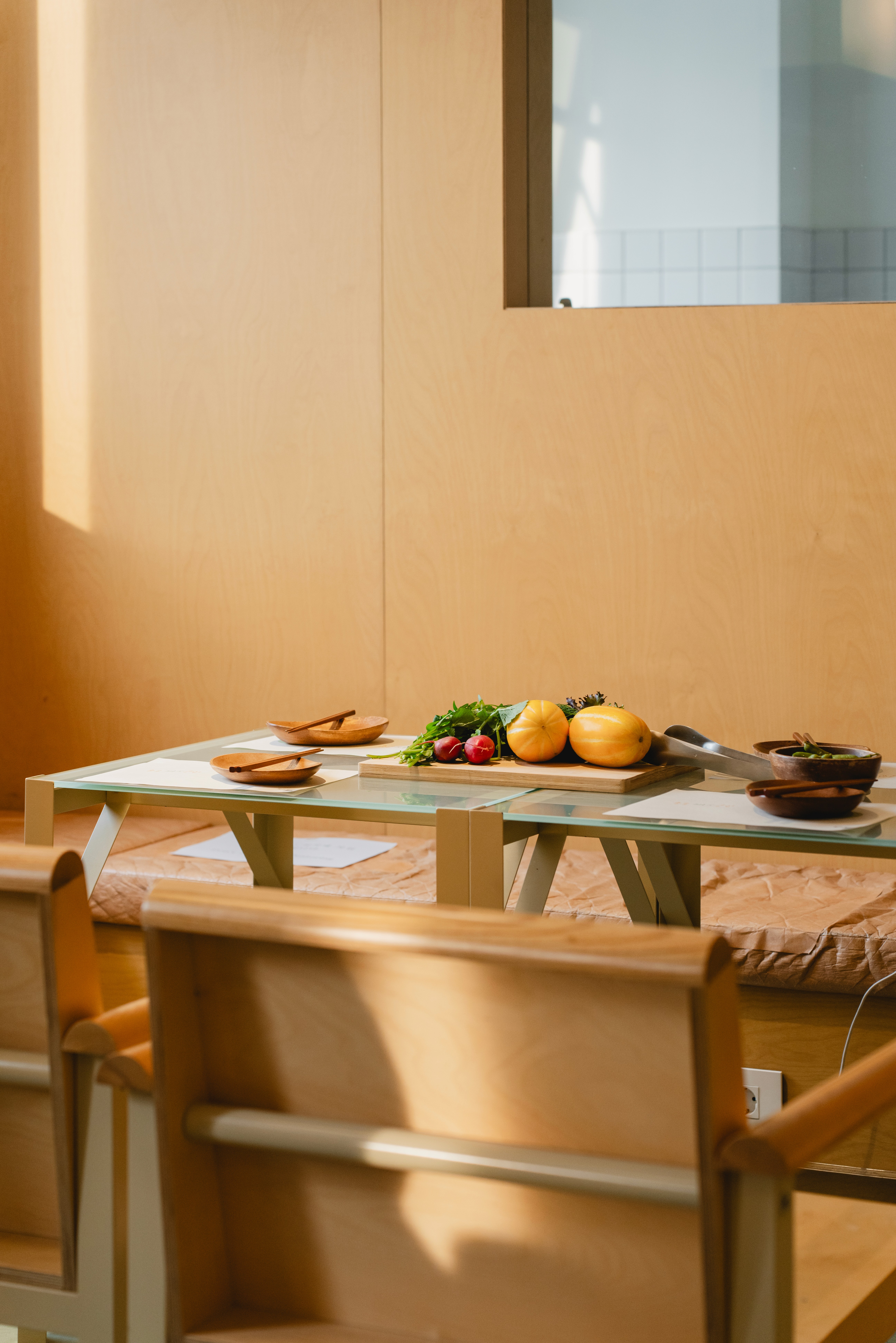
Mangrove Dongdaemun, 15F Canteen
Q. What kind of home, what kind of community, would you want Mangrove to grow into?
Gayoung I've actually liked the name "Mangrove" from the start. I heard that when mangrove trees get cut down for shrimp farming, the entire forest ecosystem collapses. The implication being that, originally, each individual mangrove tree is what creates an environment where all kinds of living things can coexist.
I'd love for Mangrove to live up to its name, the kind of community where all kinds of people and beings can coexist. We can keep showing up with our own thing, seasonal ingredients and healthy eating, and other people can show up with whatever their own color happens to be. That's how I see it working.
Gihyun Honestly, it's already great as it is. I've thought about wanting to live here even before this. The fact that I feel that way probably means it already feels comfortable to me. Whenever I come here, there are always more people I want to get to know. Every time I meet someone through work or through a gathering here, I keep having this thought: "oh, people actually live like that, this person's genuinely interesting." It feels like an open community where people can invite each other in, and I think the most important thing is just keeping that quality alive.
Written by Juneha Park
Photo by Lakyeom Yi