
Work Life
[Jeju Workers] 'Stepping Stone' Kim Myung Su
Jeju Workers
We meet the workers building lives and careers rooted in local Jeju.
What goes through the minds of the people preserving Jeju's heritage, carrying its name beyond the island, and stirring up something new?
A look at the lifestyles they lead on Jeju, and the wonderful schemes they're cooking up.
—
Kim Myung Su
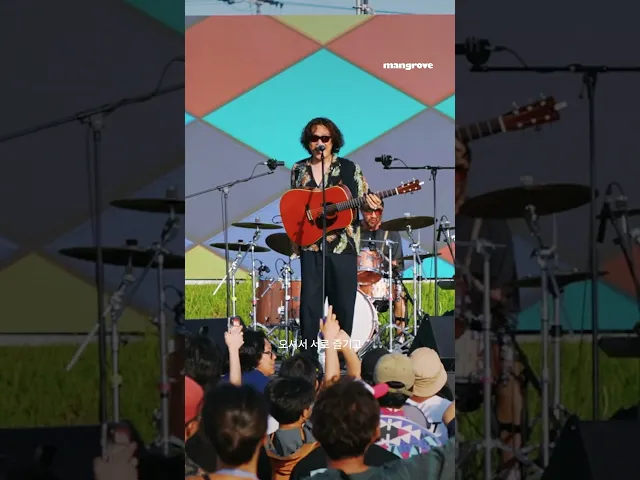
A cultivator of Jeju's culture and connector of people — known, in his own words, as a "culture gardener." He runs Steppingstone, the local festival held in Hamdeok.
Q. Hi! Could you introduce yourself briefly?
Hi, I'm Kim Myung Su. I plan festivals on Jeju and basically handle a little bit of everything that comes with that.
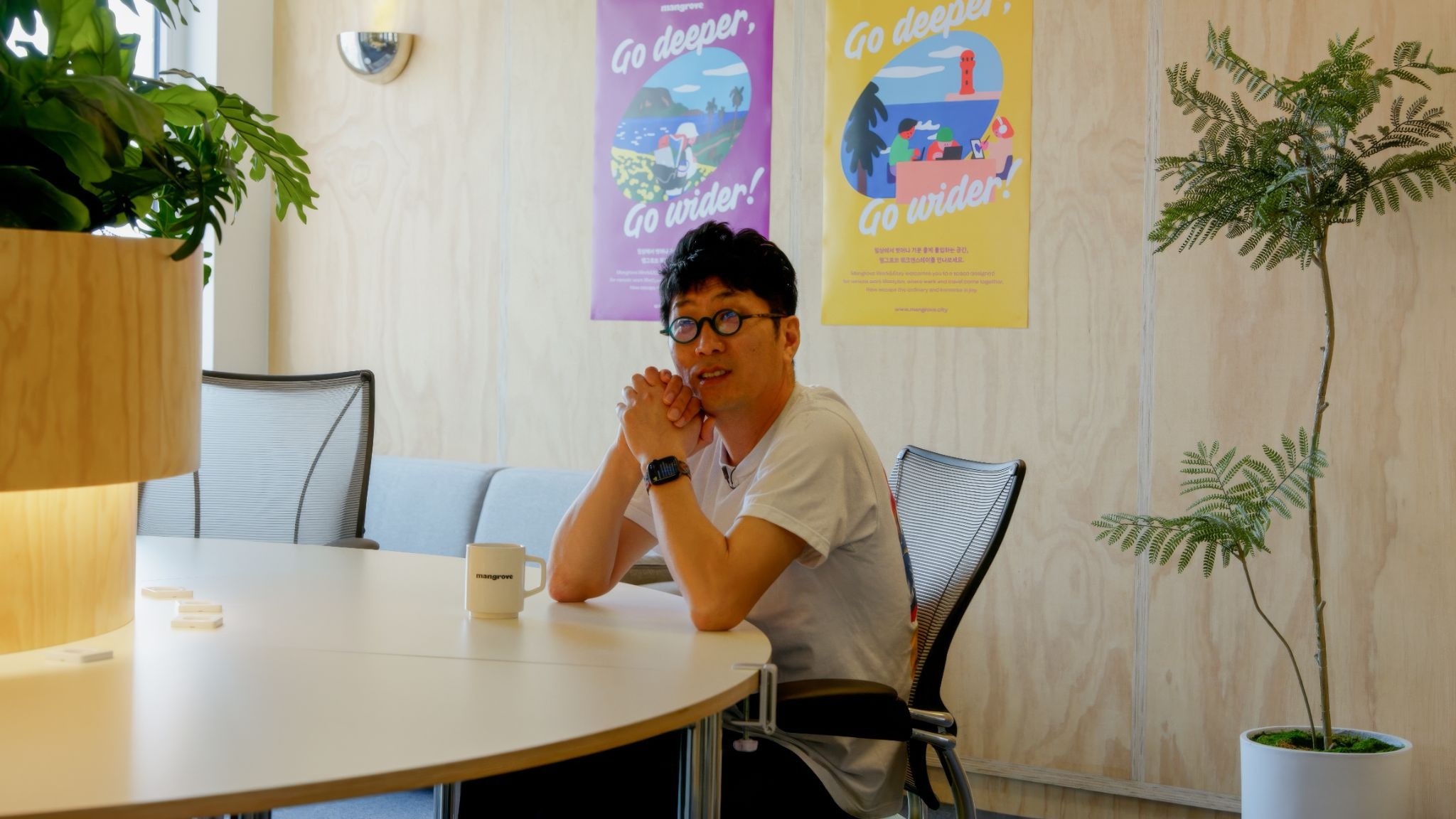
Mangrove Jeju City, 7F Work Lounge
Q. Is Jeju your hometown? What does the Jeju of your childhood look like in your memory?
Yes, I'm made in Jeju Island. Like most kids who grow up here, Jeju was just a place I wanted to escape. I kept thinking I needed to go somewhere brighter, bigger. Then I left for a while, came back, and suddenly noticed how much good there was in every corner of this place.
Time passed, and I started seeing the stories Jeju held all over again. I think it was around when I started Steppingstone that it really clicked, that all of it was a precious part of life.
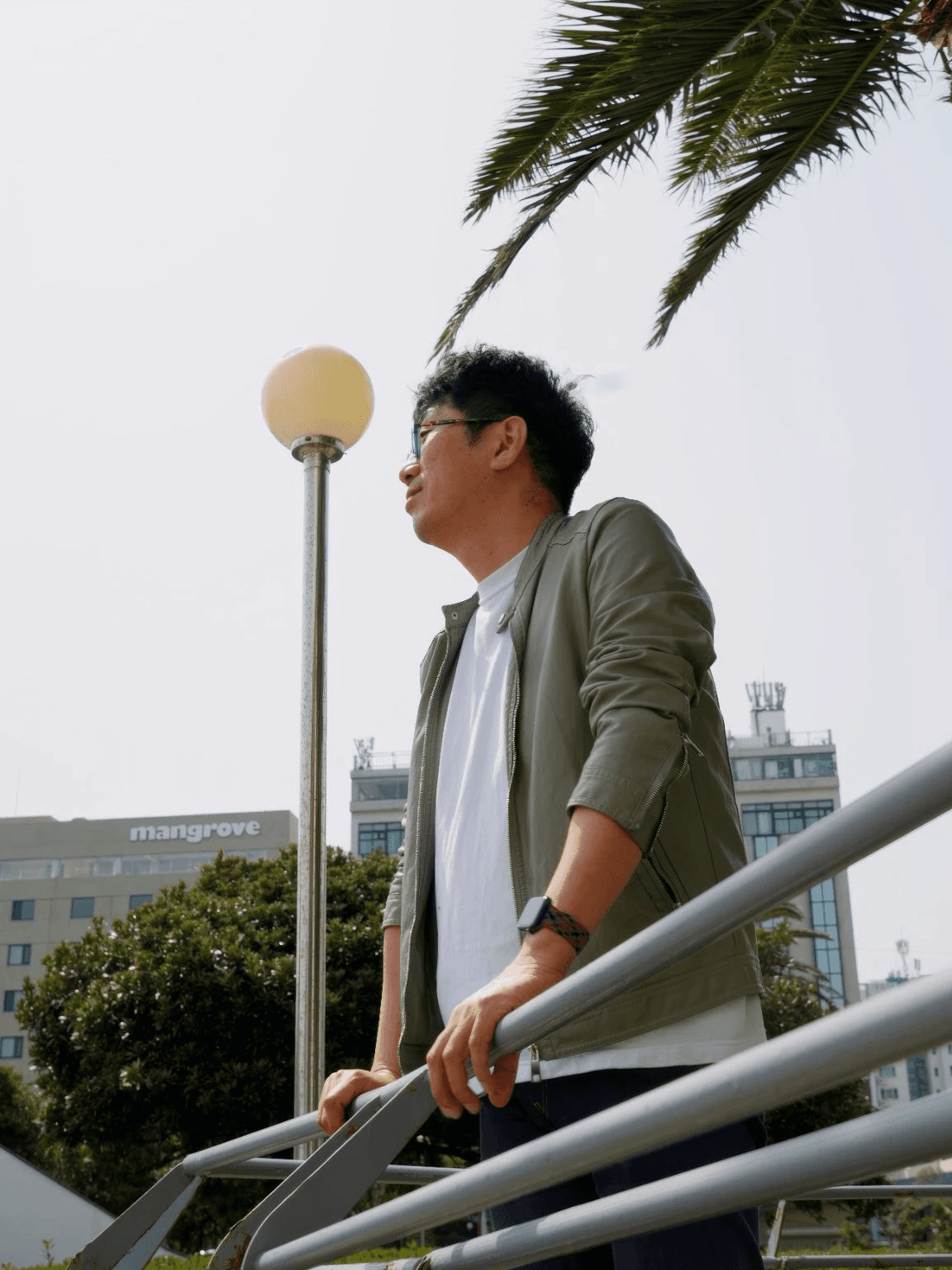
That shift, where you suddenly look at your hometown with new eyes, I think that's real growth.
Q. How would you like to describe the work you do?
I thought a lot about how to define myself, and landed on calling myself a "culture gardener," someone who tends to people and culture and connects them. Just like the world has all kinds of flowers and trees, I want to be the person preparing the soil where people and culture can inspire each other and grow naturally.
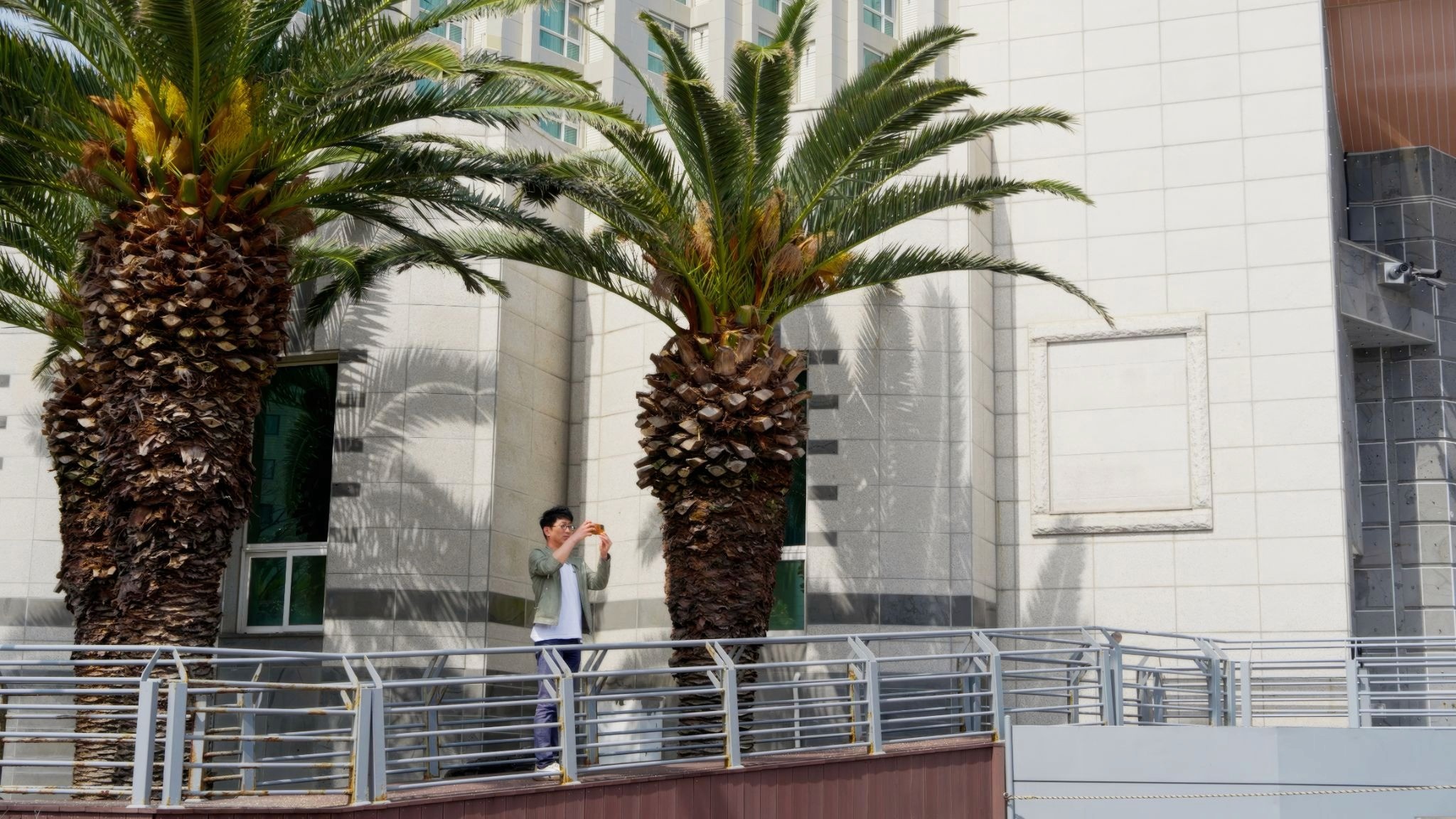
I have a small garden at home. When I water the flowers or talk to them, it feels like they answer back somehow. I think my role is something like that, weaving together Jeju's nature and its cultural elements. My wife actually calls me "Gardener Kim."
Q. I'm curious how Stepping Stone, the festival that's come to represent Hamdeok, got started.
It started back in 2004. Looking back at that time, cultural events always seemed to revolve around Seoul. Take the New Year's bell-ringing at Bosingak, for example, the whole country watches it on TV every year. It started with a simple thought: why can't we do something like that here on Jeju, too? I wanted this island to leave a meaningful step of its own. Once I'd decided that, I looked at what I actually loved and was good at, and that turned out to be music.
After a lot of back and forth, I landed on the name "Stepping Stone" and held the first event. Back then, I worried a lot about whether a music festival could even work on Jeju.
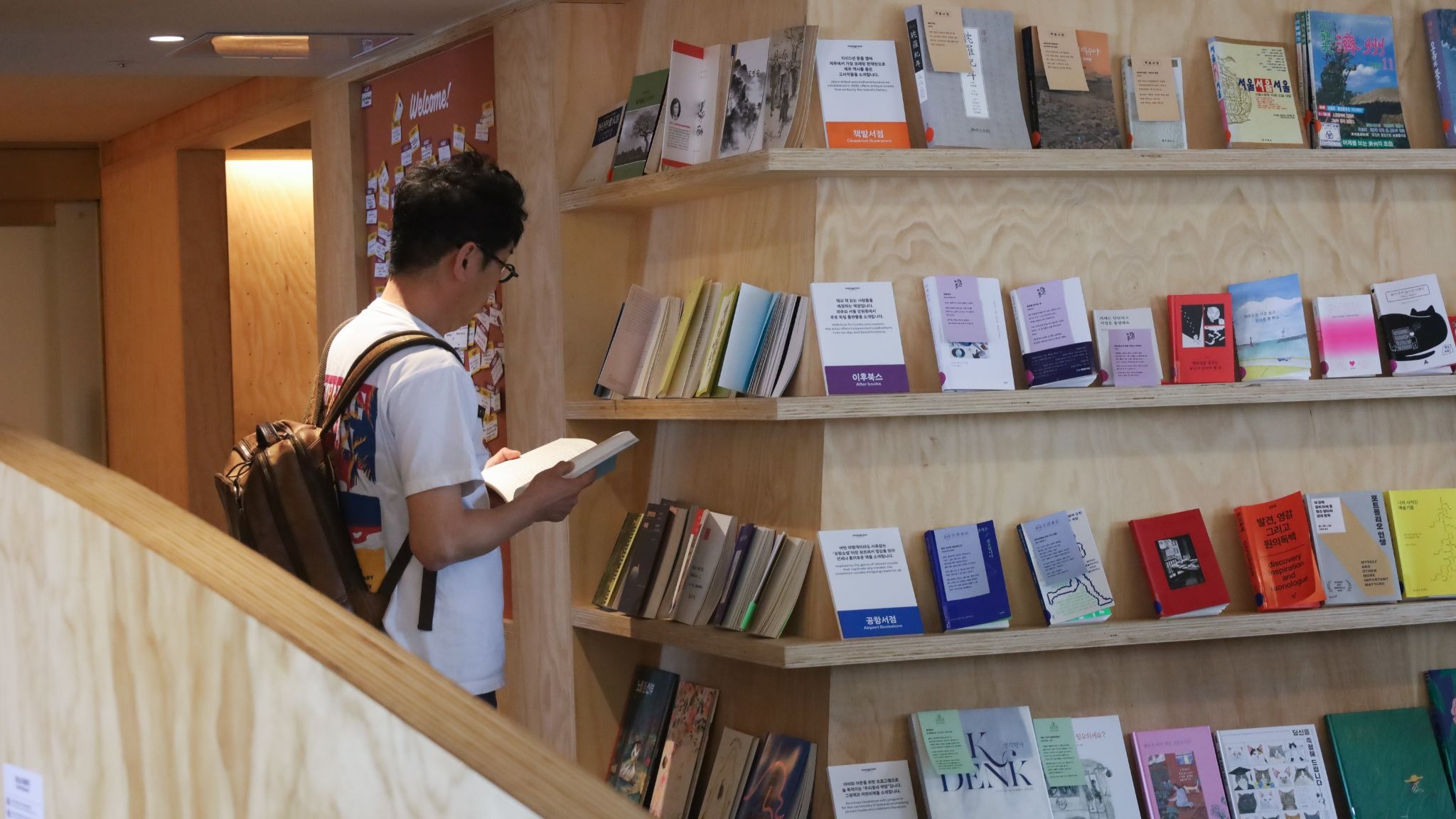
Cultural events always seemed to revolve around Seoul. I wanted this island to leave a meaningful step of its own. Once I'd decided that, I looked at what I actually loved and was good at, and that turned out to be music.
Q. This year marks the 20th anniversary. What's kept this going for so long?
I'd say it's the people. We're not exactly a mainstream festival, so I think we've made it this far purely because of the people who show up to enjoy it together.
Stepping Stone's slogan is actually "a summer holiday." The reason is, people keep coming back year after year, the same way you'd show up for a family gathering every holiday season. I keep seeing the same faces every summer, people I saw last year, the year before that. A lot of people wait for Steppingstone every summer, and plenty of them step up to help out without even being asked.
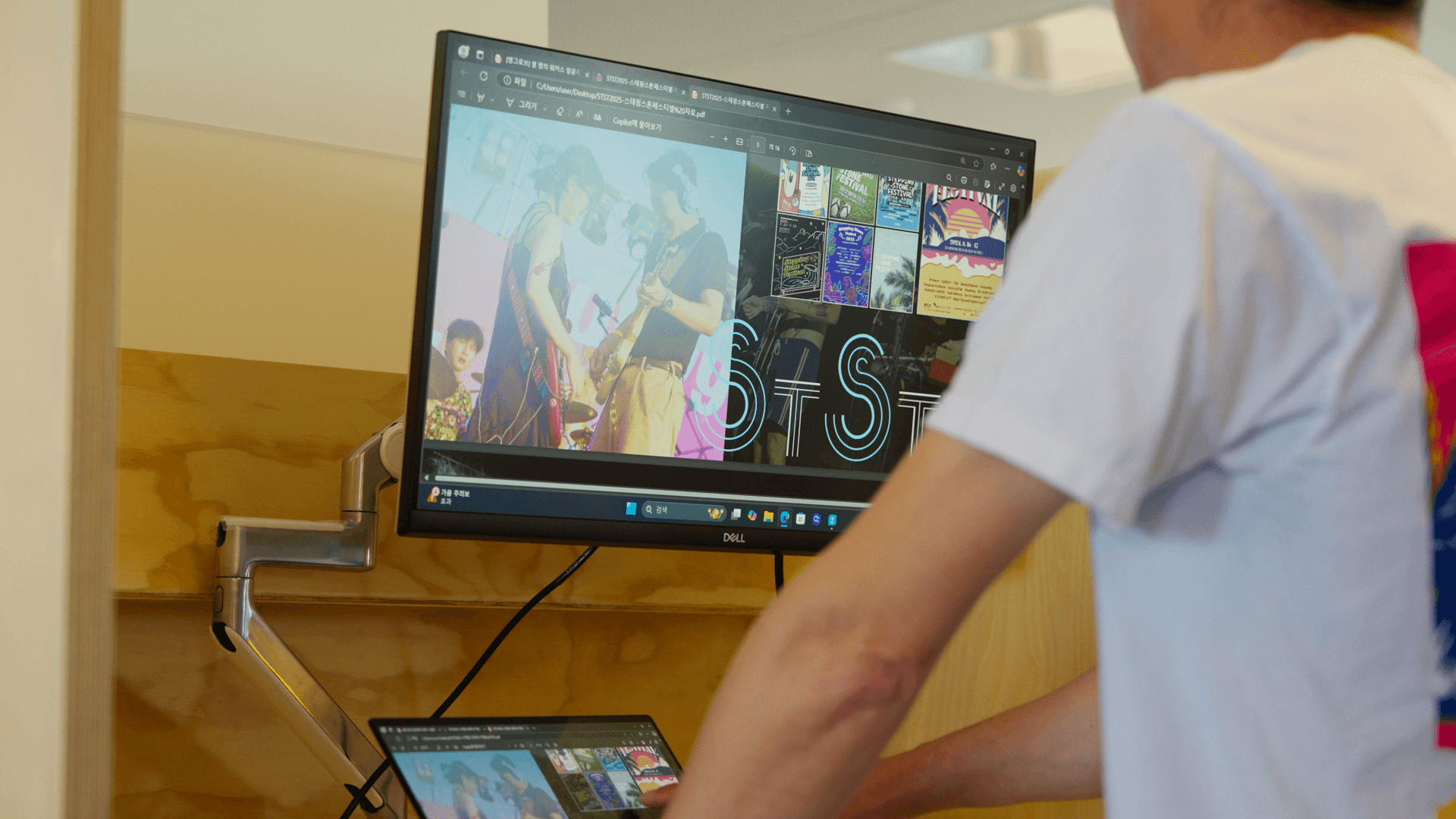
A lot of attendees tell us they love that you don't have to be a music fanatic to enjoy it, even people who just want to bring their dogs along can have a great time. And being held in the middle of nature this great, right here on Jeju, that's probably a huge advantage for us too.
So naturally, when summer rolls around, it doesn't feel like work, it feels more like "time to get ready for the holiday."

Q. Has there been a particularly tough moment?
Summer on Jeju always comes with typhoon worries. Over twenty years, we've weathered four of them, so I think my body's just toughened up to it by now. Since musicians fly in from overseas too, I'm not just checking Jeju's weather anymore, I have to keep an eye on forecasts in other countries as well.
Last year, a major typhoon hit Tokyo, so a Japanese band had to leave a day early. Another time, a typhoon hit Busan, and a band from Chiang Mai barely made it to Jeju after 26 hours of travel.
There's been a lot of ups and downs, but a typhoon coming doesn't scare me anymore. Part of me sees it as a chance to learn how to live alongside nature, to figure out how to get through it.
The idea was always to share culture, not just music.
Q. How did the festival end up settling here in Hamdeok?
We first held the festival near Jeju City Hall. We also held it at the Topdong Beach performance hall, close to where Mangrove Jeju City is now. The thinking was to do something where the young people already were. Then I started wondering where could show off what makes Jeju Jeju, more intuitively, and that's how I landed on Hamdeok.
Jeju is an island where mountains and sea exist side by side. Hamdeok has Seowoobong mountain and its green fields on one side, and right next to it, the blue sea and sand. I think Hamdeok captures Jeju's green and blue better than anywhere else.
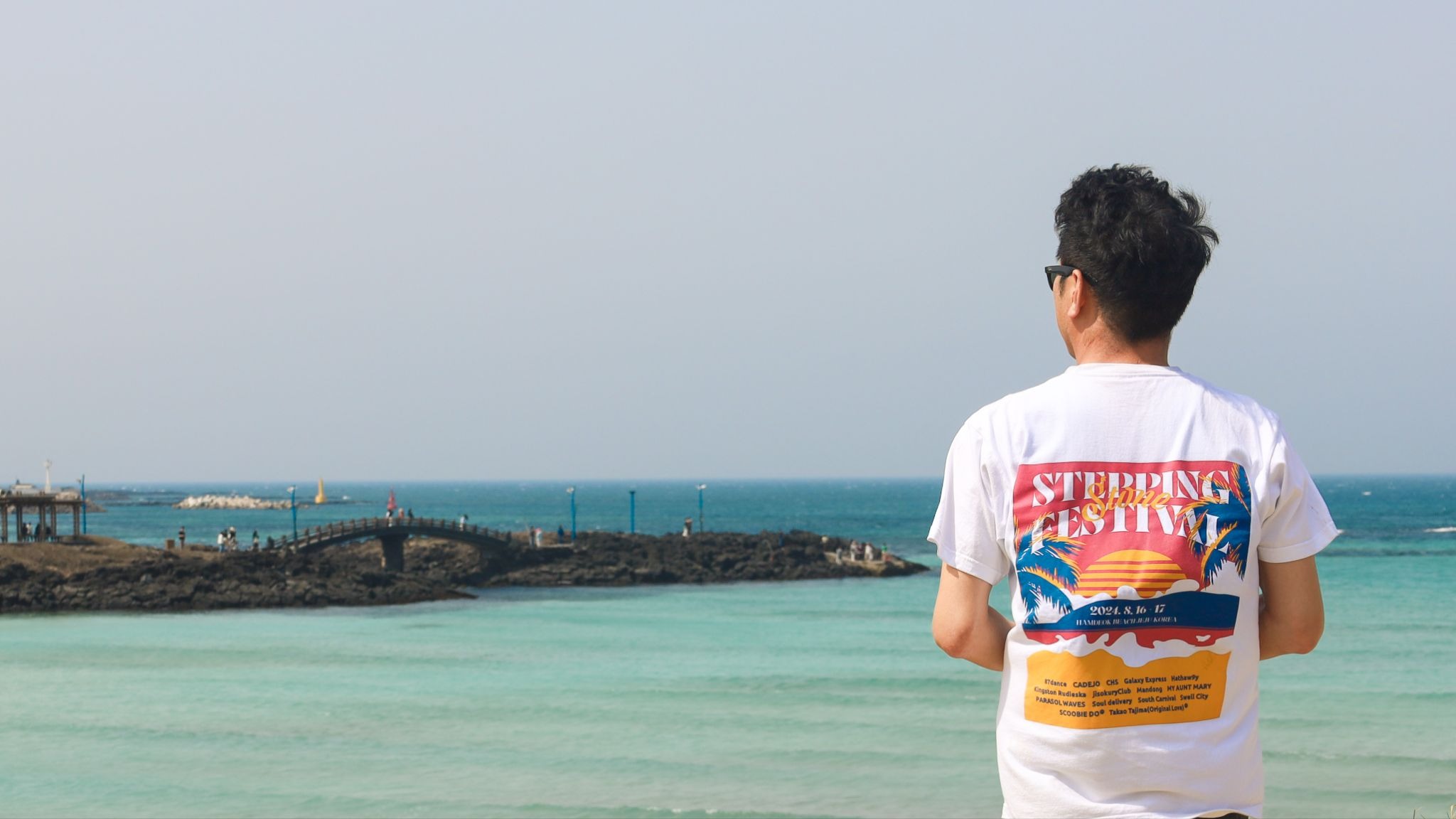
Q. What does "Jeju-ness" even mean?
That's the hardest question. I'd call it Jeju's color. The deep blue of the sea, the solid dark tone of basalt rock, the green of the fields, all blending into this warmth, a color made of many delicate elements mixed together. If you look at Jeju broadly, the east and west sides feel completely different. There are many shades of green, many shades of blue. Jeju exists somewhere inside all that variety, and I think Jeju-ness is the act of going out and finding those particular shades.
Q. How would you rate your own life as a worker living on Jeju?
I think I prefer building something over just doing what's handed to me. I'm someone who always feels like I'm not enough, so I'm constantly hungry to learn. I want to create new value through challenges, and even though there's been hardship along the way, every bit of it has made me steadier and more flexible. So yes, I'm proud of my life as a worker.
Q. What do you do to unwind?
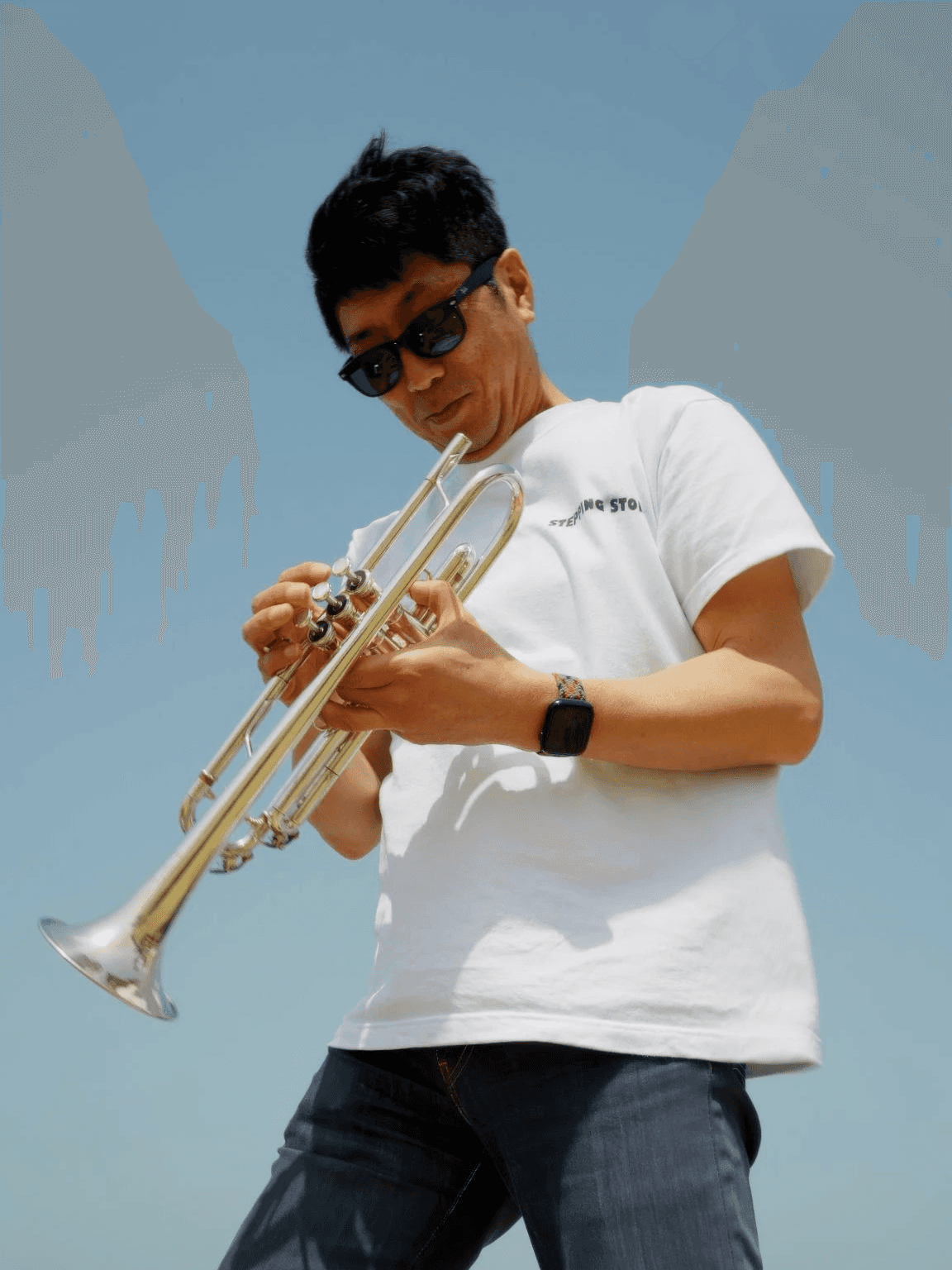
I like doing the dishes. There's something satisfying about watching a dish go back to looking the way it's supposed to. I also water the lawn, it feels like the grass is thanking me somehow. I exercise without thinking about anything, not even music playing in the background. And then there's my love-hate relationship with my instrument. I'm supposed to keep practicing trumpet, but I've been too busy lately, so I'm honestly a little rusty.

Q. Any dreams for the future?
This might be a big ask, but my dream is to turn Hamdeok, where Stepping Stone is held, into an actual music village. Not a festival that runs for a few days and ends, but a place where music has soaked into everything, with stages popping up all over the town.
One moment that's really stuck with me: we once had a 7-year-old and a 70-year-old learning instruments together in the same room. After their performance, they hugged each other and cried. The power of music only comes alive when things are in harmony like that. Society feels so divided these days, but I really believe music is something that can bring people back together.
Written by Juneha Park
Video, Photo by Peace Piece





