Work Life
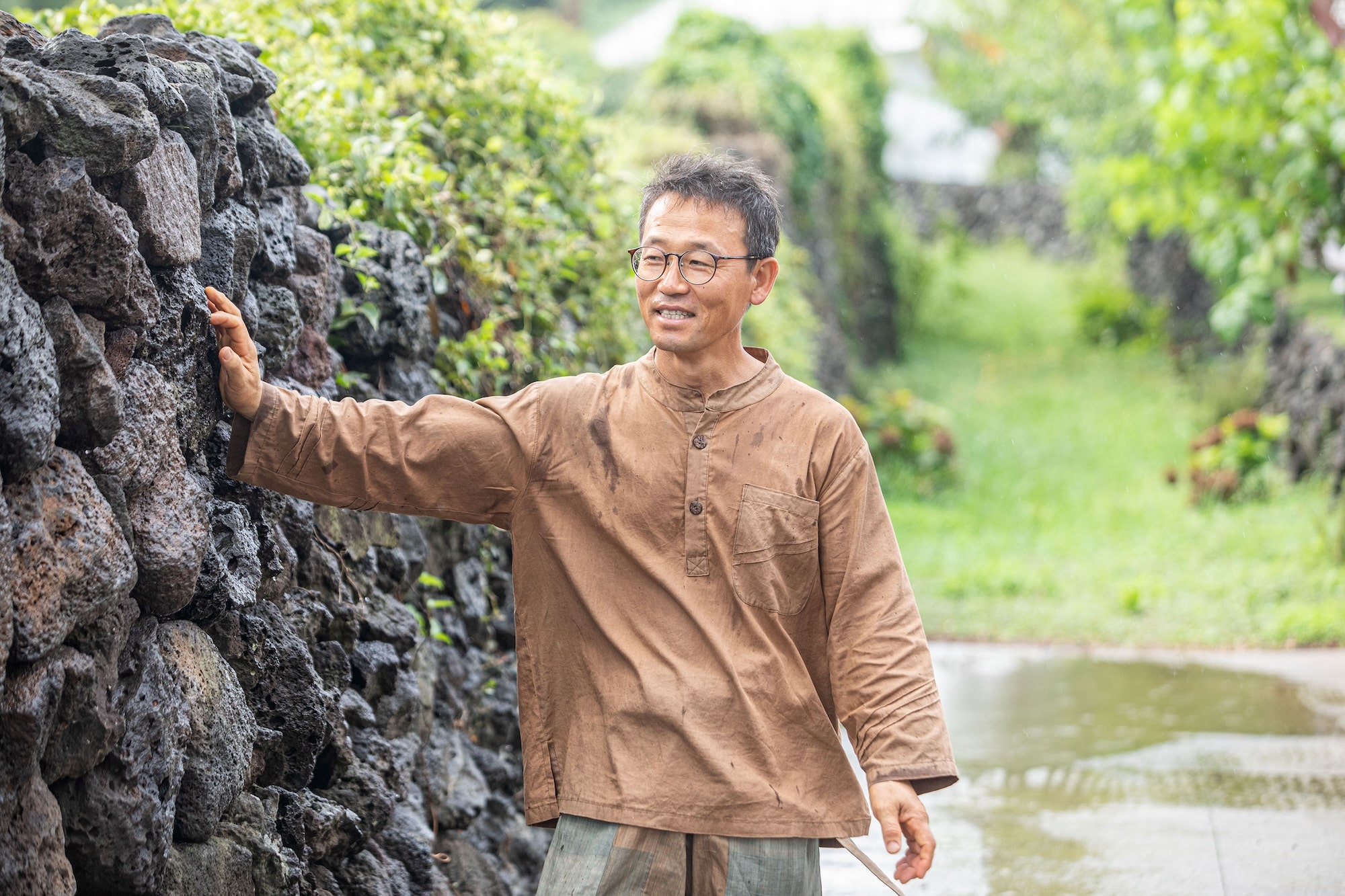
[Jeju Workers] Doma Kim of Kimtekhwa Museum
Jeju Workers
We meet workers who build their lives and their craft around Jeju, the island they call home. What goes through the minds of the people preserving Jeju's heritage and carrying its name beyond the island?
We look at the lifestyles they lead here, and the delightfully reckless plans they're cooking up.
–
A sculptor and cultural arts curator.
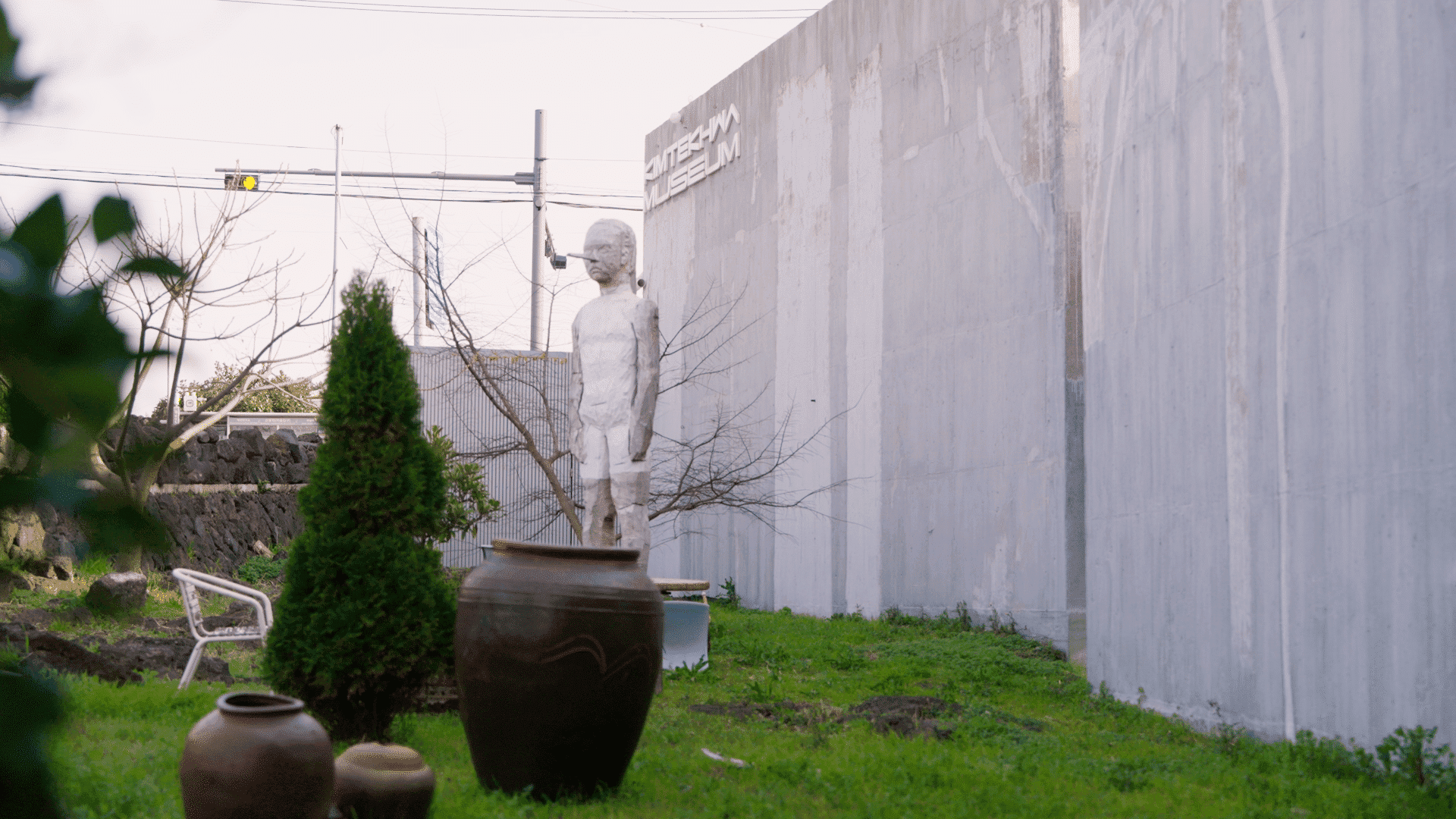
Also, the director of the Kimtekhwa Museum in Hamdeok, Jeju.
Q. What led you to plan the Kimtekhwa Museum and open this space?
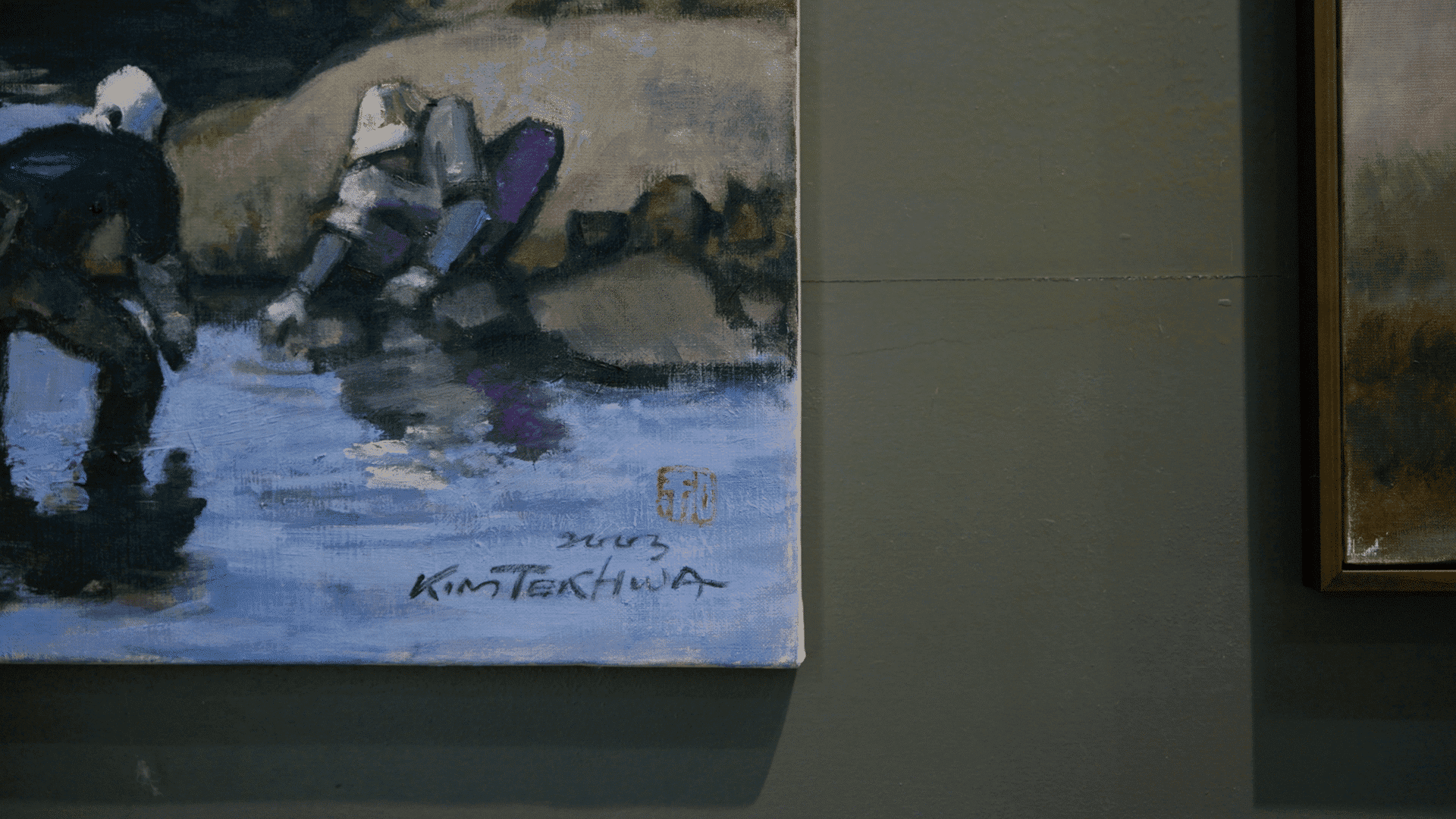
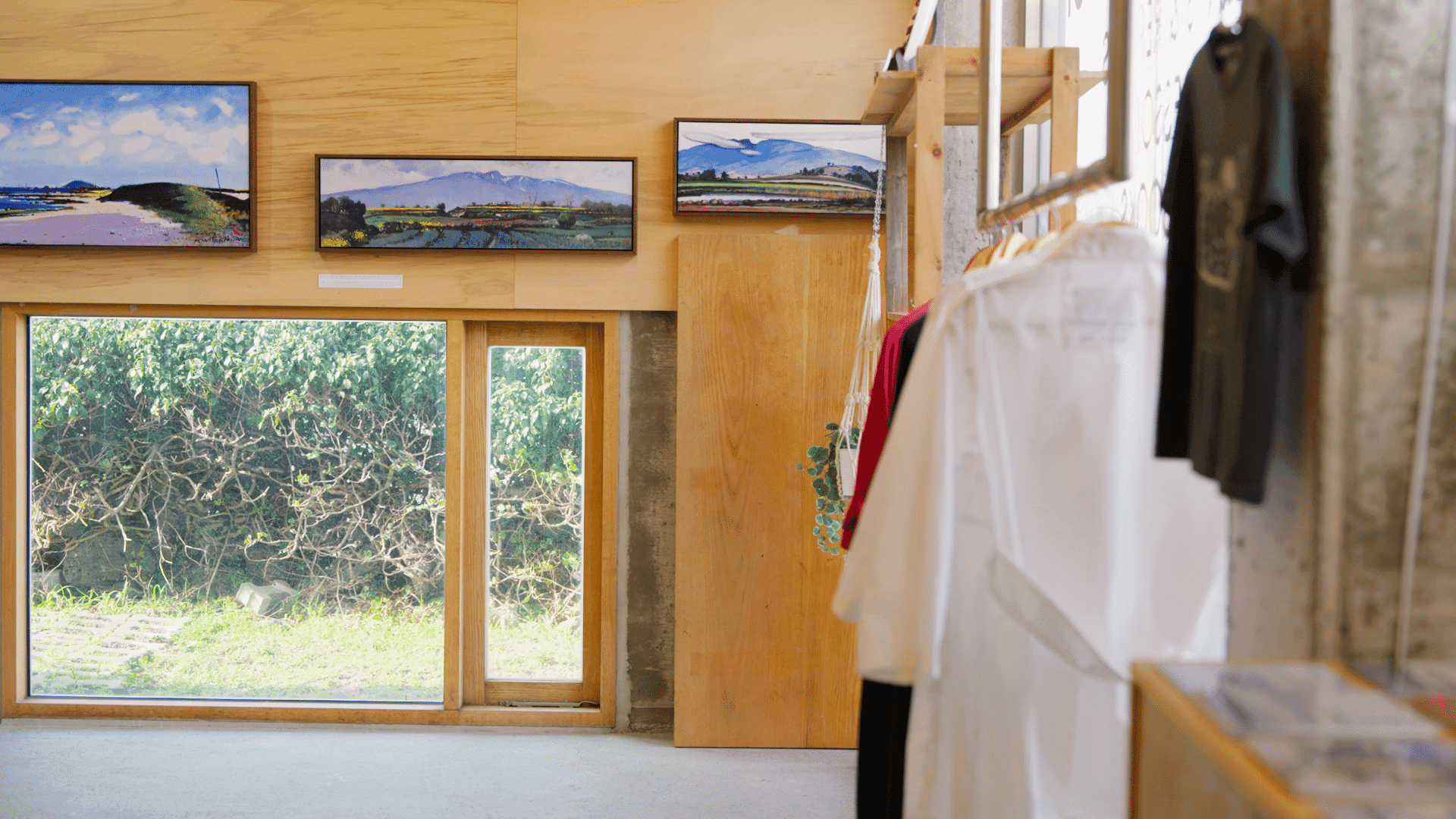
Painter Kim Tek-hwa was born on Jeju and spent his whole life capturing the island's landscapes. He was the first Jeju native to formally study modern art. I felt that someone, not necessarily me, needed to shine a light on his work and his life. That's why I started the museum, and I'm glad this is the work I get to do now.
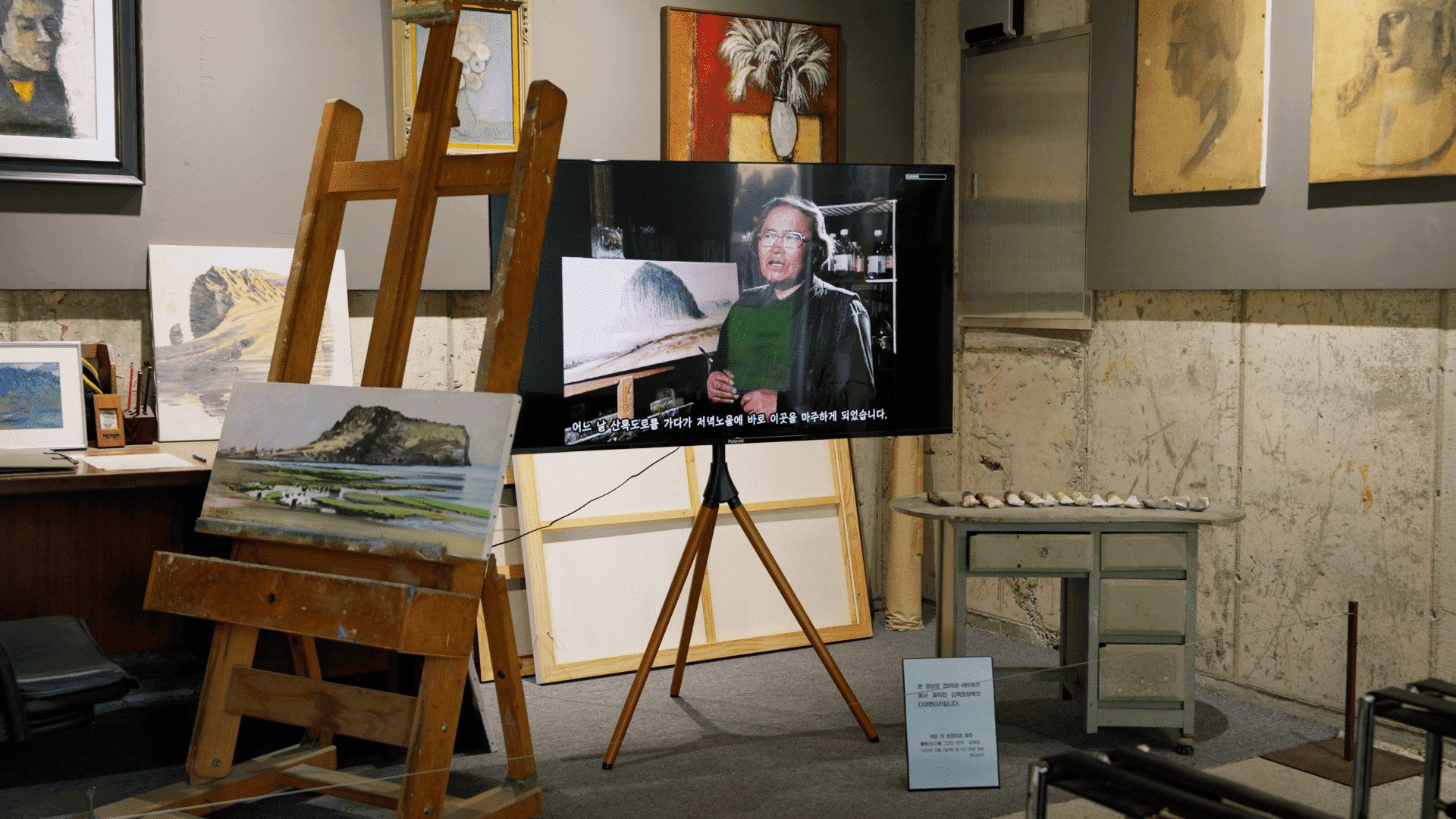
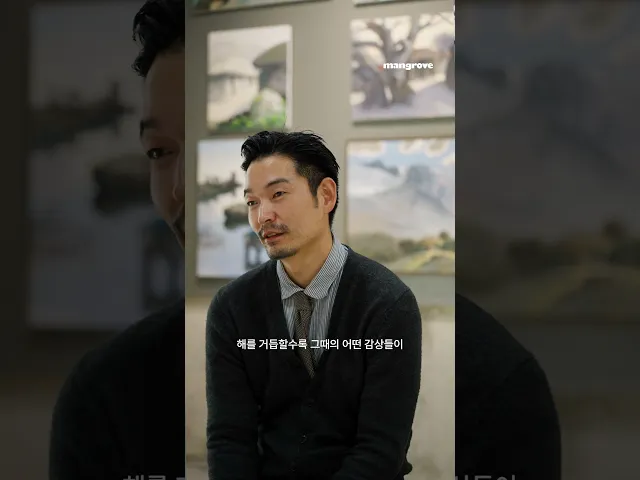
Q. I heard the museum doesn't just show Kim Tek-hwa's paintings. Your own work is on display too. What kind of pieces are they?
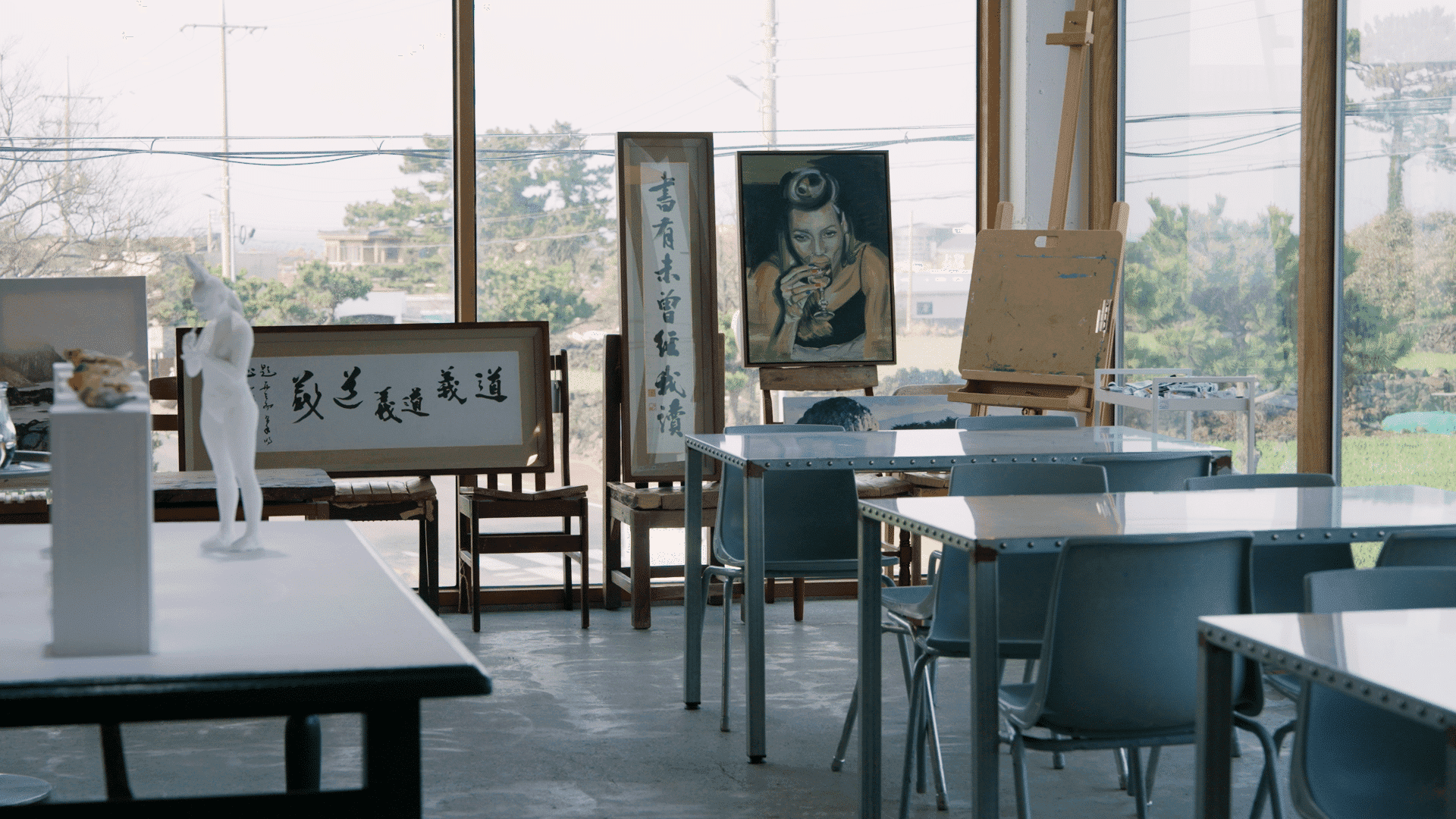
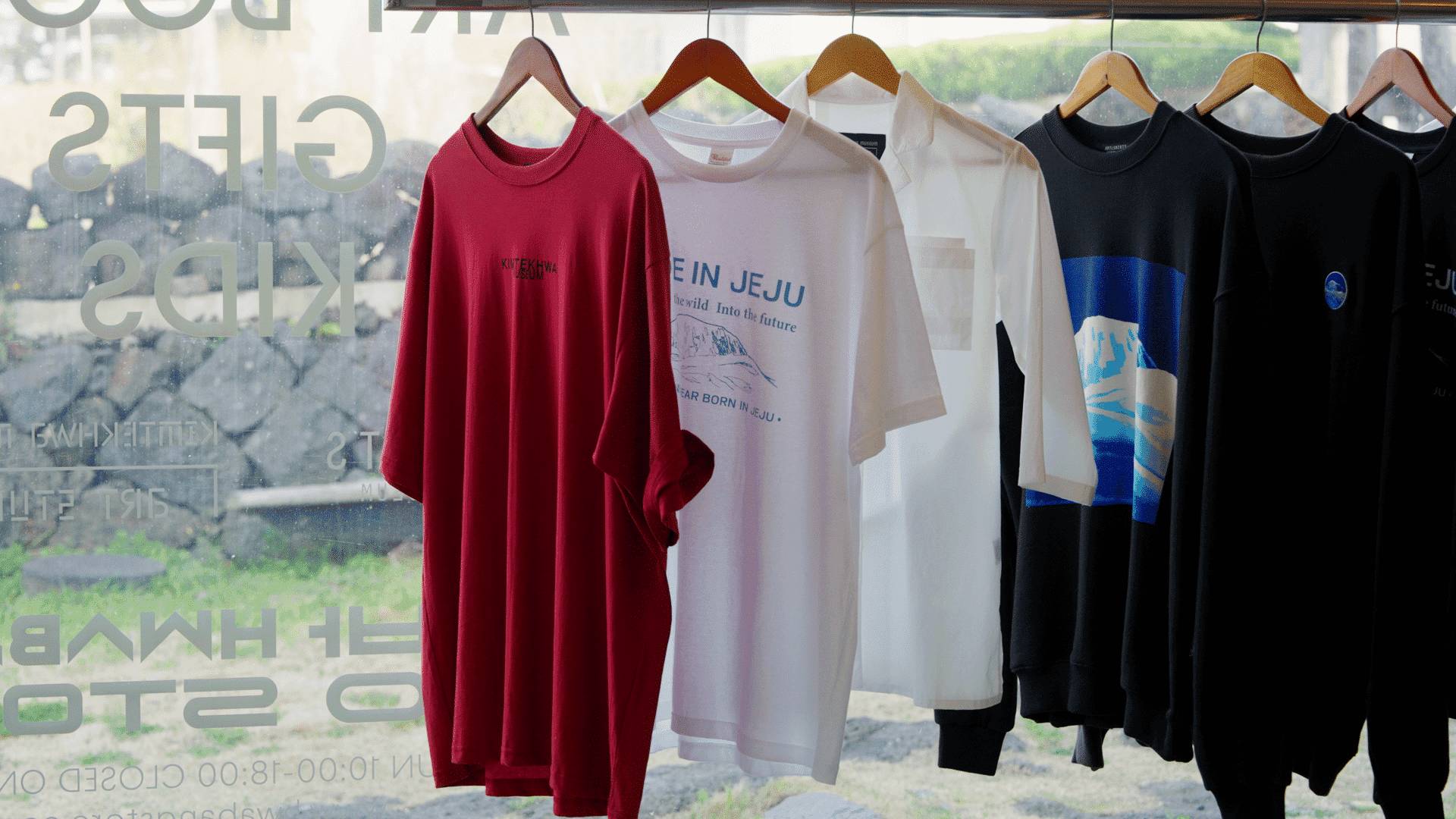
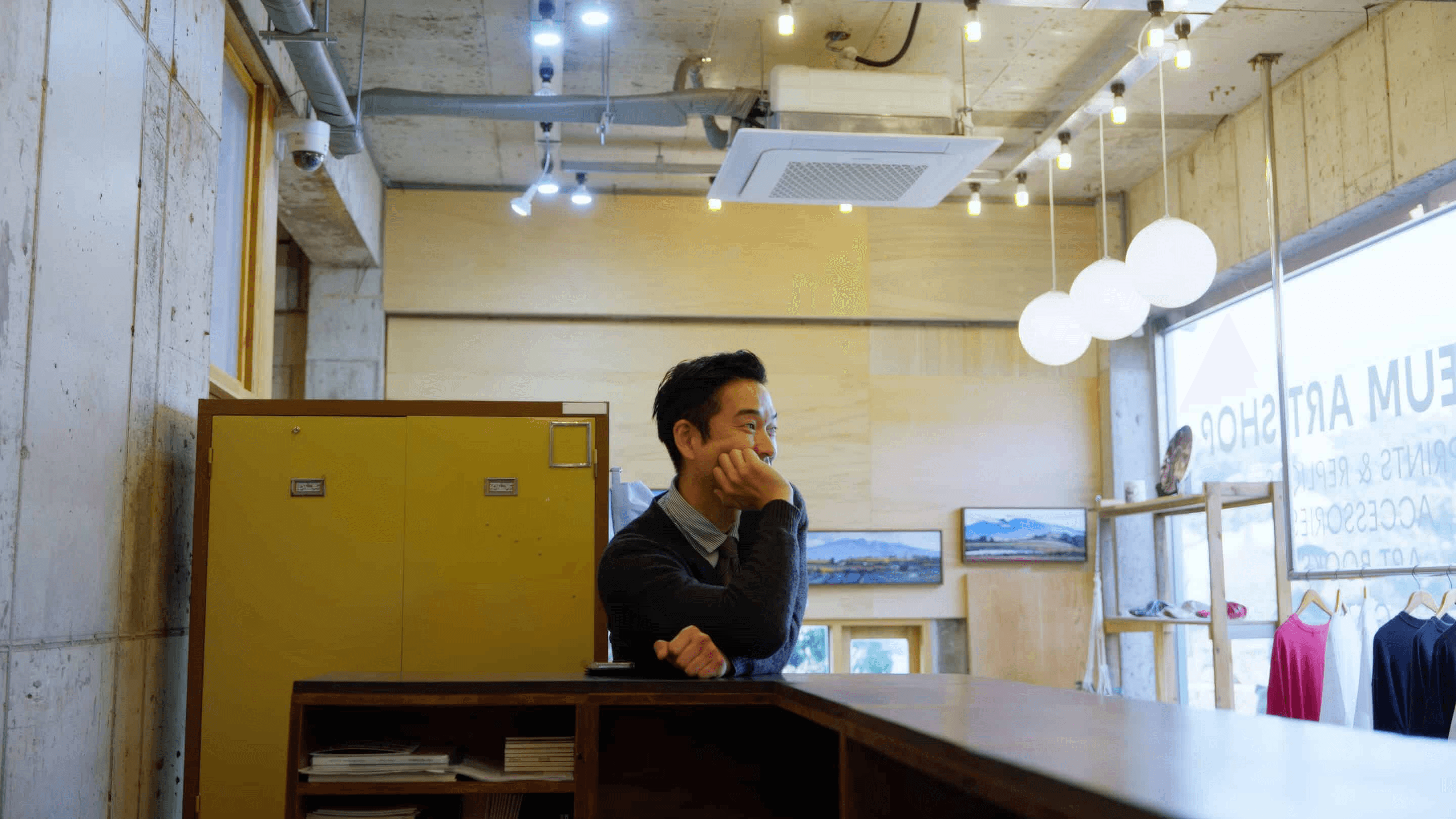
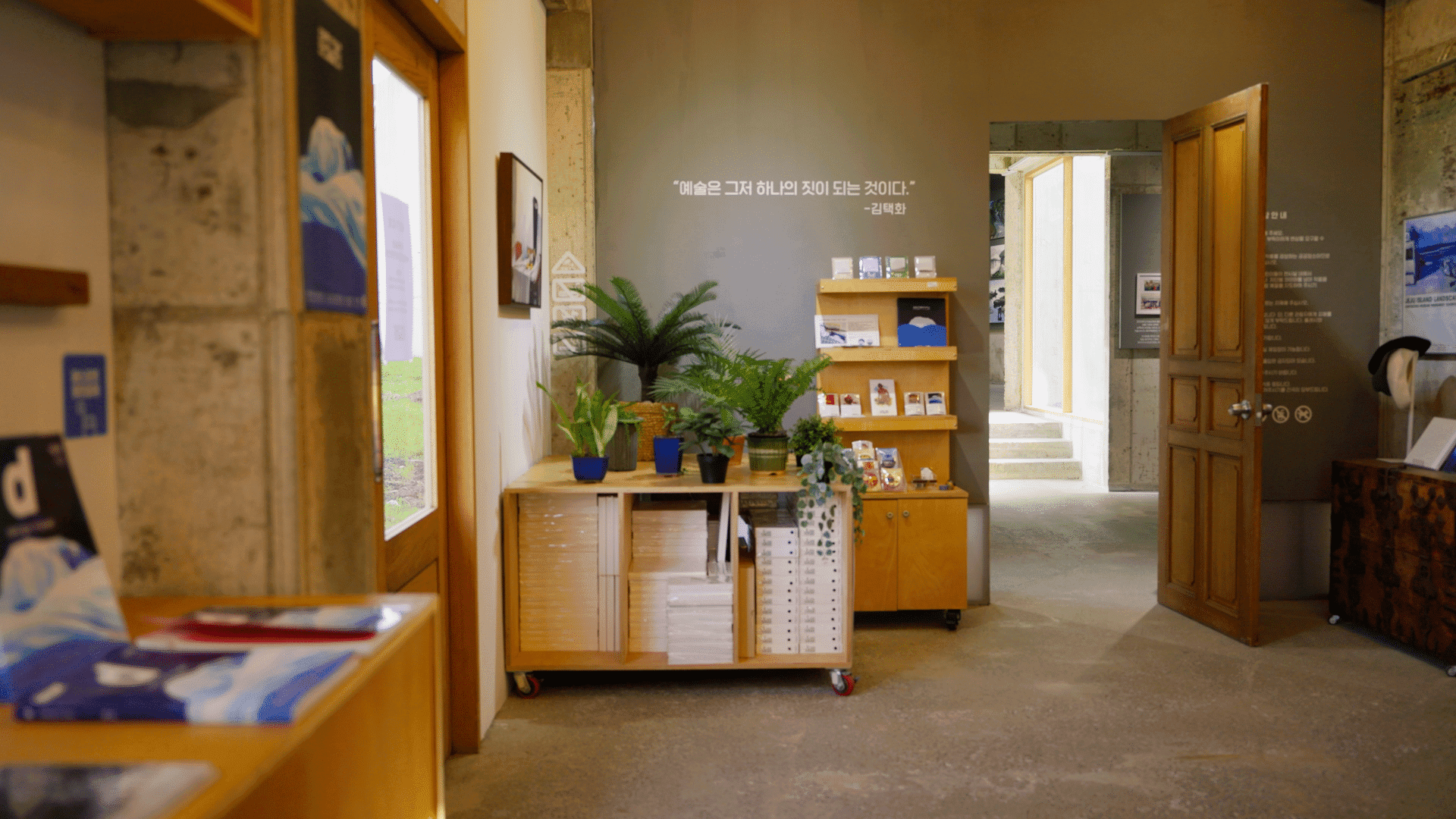
I don't have that much work, honestly (laughs). Aside from the permanent exhibition of his paintings, I designed and built the goods sold in the first-floor shop, plus the furniture and fixtures in the second-floor café. The furniture is based on the industrial furniture commonly made in Korea in the 1980s, the kind of tables and chairs from when dining-table culture first took hold here. Honestly, a lot of what got made back then holds up better, in material and design, than what you find today.
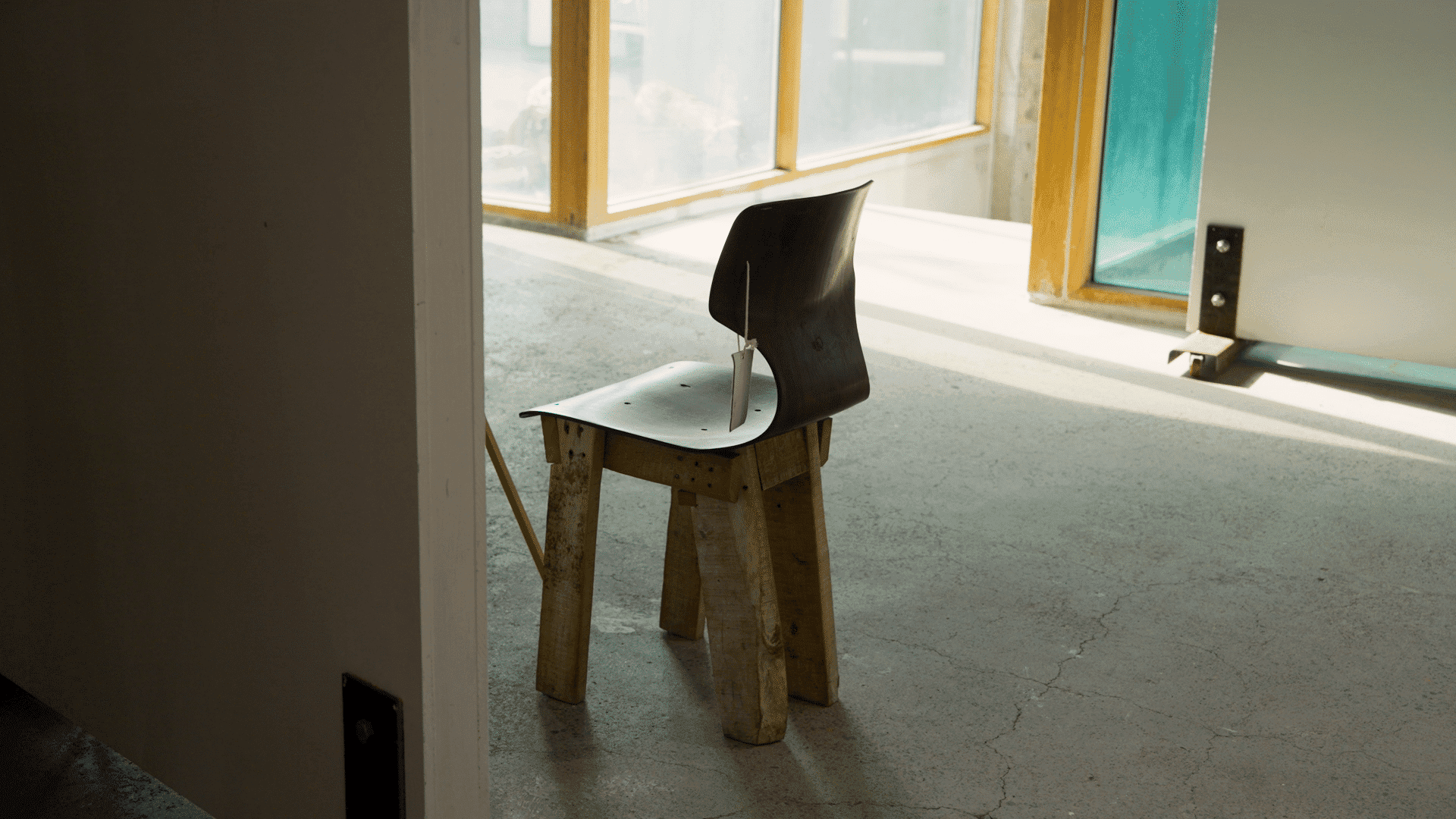
For the furniture, I mainly use driftwood washed up on Jeju's shores. Driftwood that's crossed the ocean from other countries gets battered by storms and cured in salt water along the way, and that's what gives it such a distinctive character. I also use sa-ogi and gulmugi driftwood, the kind once used to build Jeju's old thatched-roof houses, increasingly rare these days. You could just call them zelkova and wild cherry. Furniture made with this kind of wood isn't easy to find anymore. I combine three things: 1980s domestic secondhand furniture, driftwood, and reclaimed wood, into a kind of recycled furniture.
Q. What do you consider most important in running the museum?
Since this space permanently exhibits the late Kim Tek-hwa's work, my main focus is making sure visitors can experience it as fully as possible. If I hadn't believed change would happen naturally over time, and that his work would eventually be loved by more people, running this place wouldn't have been possible. He's gone now, but I think his artistic value is still very much in progress.
I want to honor the flow that happens naturally, while staying fully committed to passing on his value and meaning exactly as they are.
Q. What themes or messages does your own work explore?
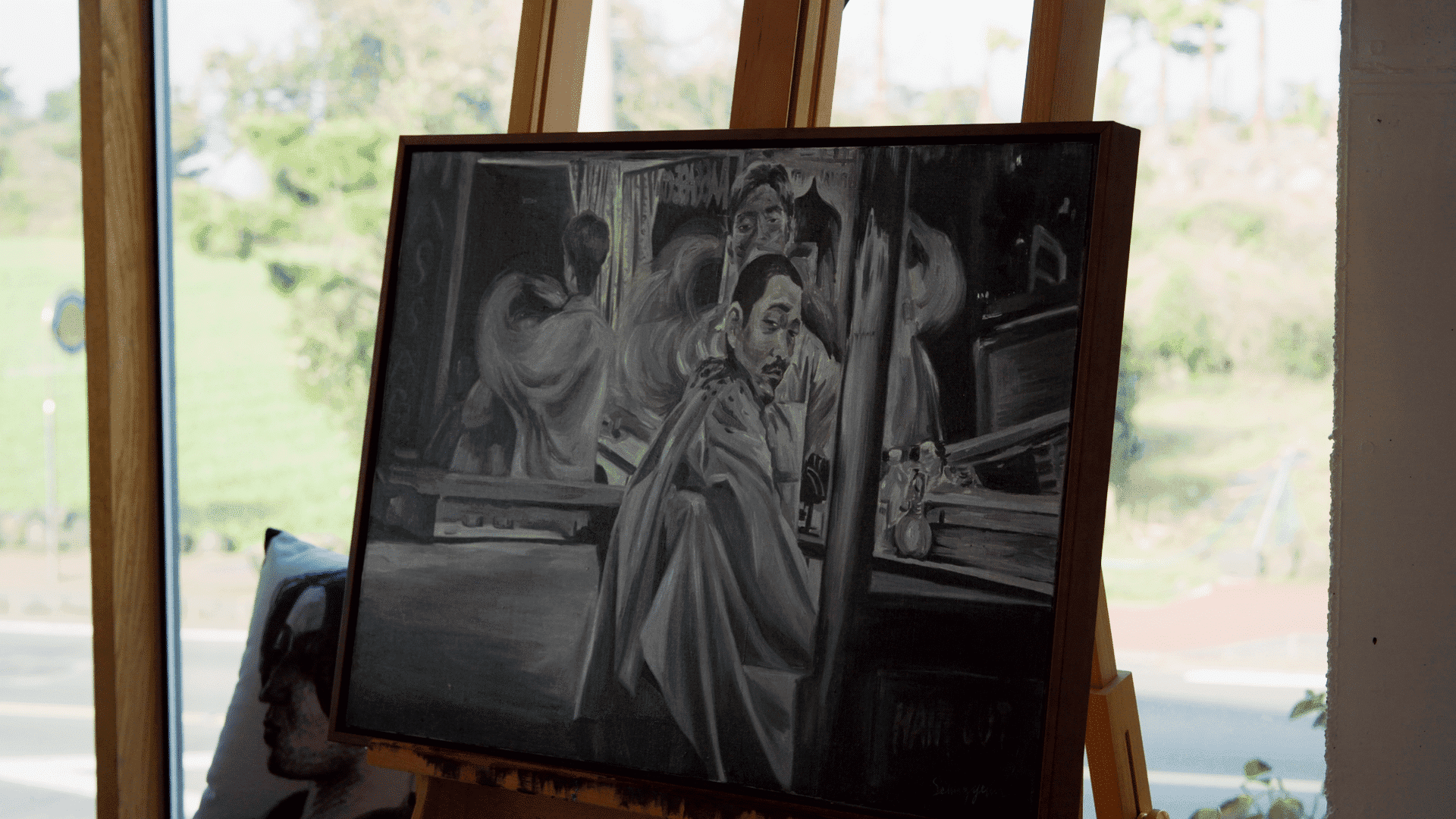
There's a subject I've been drawn to for a long time. It's hard to put simply, but I keep coming back to things only humans do, states only humans end up in. I try to observe and collect this subject wherever I find it in everyday life. Sometimes that makes me critical of myself, other people, the world. Sometimes self-deprecating, too. But underneath it all, there's real interest in people, a kind of hope for them, and affection. My work mostly carries messages that can't be pinned down cleanly in language, and I think that's the whole point of visual art.
Q. As a junior artist, how do you feel looking at the work of someone like Kim Tek-hwa, who came before you?
I actually got to hear him speak once, in person. It was genuinely shocking at the time. I saw boundless devotion and will toward his subject, a kind of place an artist can only reach by being completely absorbed in their own world. Every year, that impression keeps taking on new meaning for me. As someone who came after him, and as a fellow artist, I have enormous respect for him.
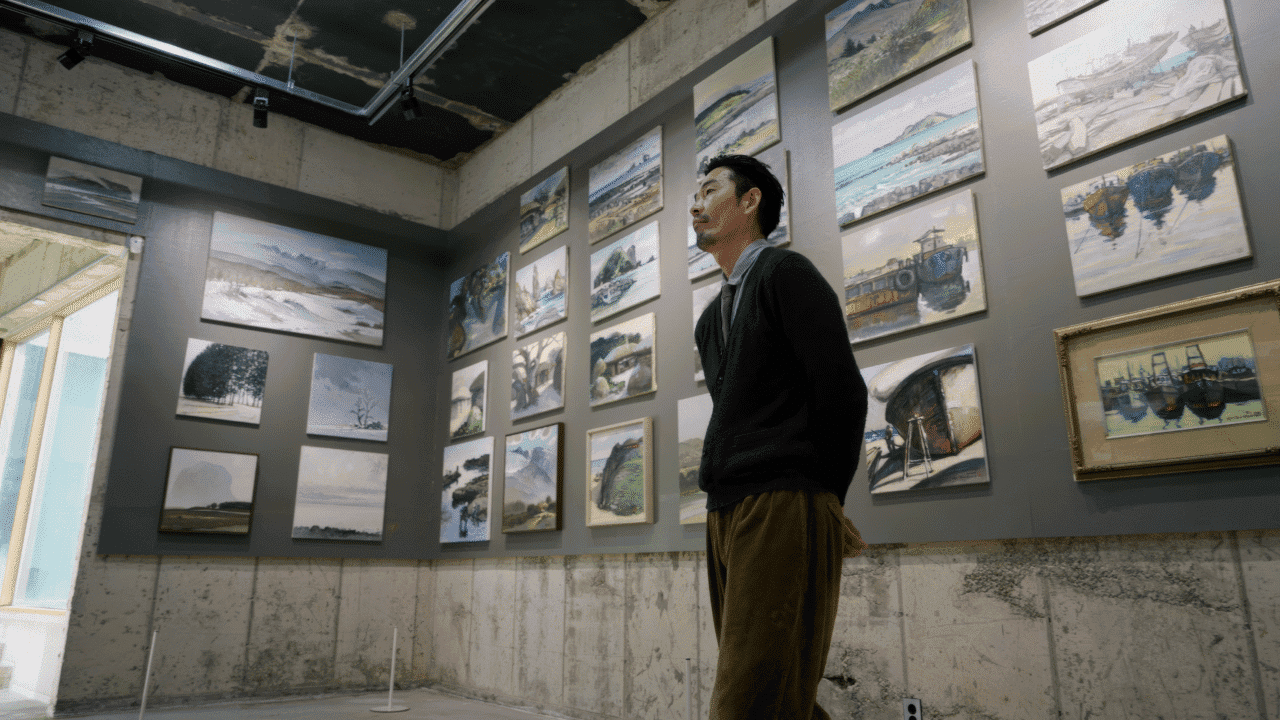
Q. What matters most to you when you're creating?
I'd say it's the time spent preparing, and the time spent actually doing the work. There's the physical working time, which sometimes feels like labor, visible to others and to myself. And there's the conceptual stage before that: observing, collecting, thinking it through. I tend to keep those two, the doing and the thinking, separate.
Honestly, I think the work is basically finished once I've figured out what I want to make and what story I want it to tell.
After that, whether I force myself into that state of focus or get pulled into it naturally, I try to stay locked onto that sensitive, heightened state. It doesn't always go the way I want, though.
This isn't originally my own idea. It's something a sculptor I deeply admire used to say often, while he was alive. I happen to agree completely: getting into that state of total immersion is difficult, but it matters enormously.
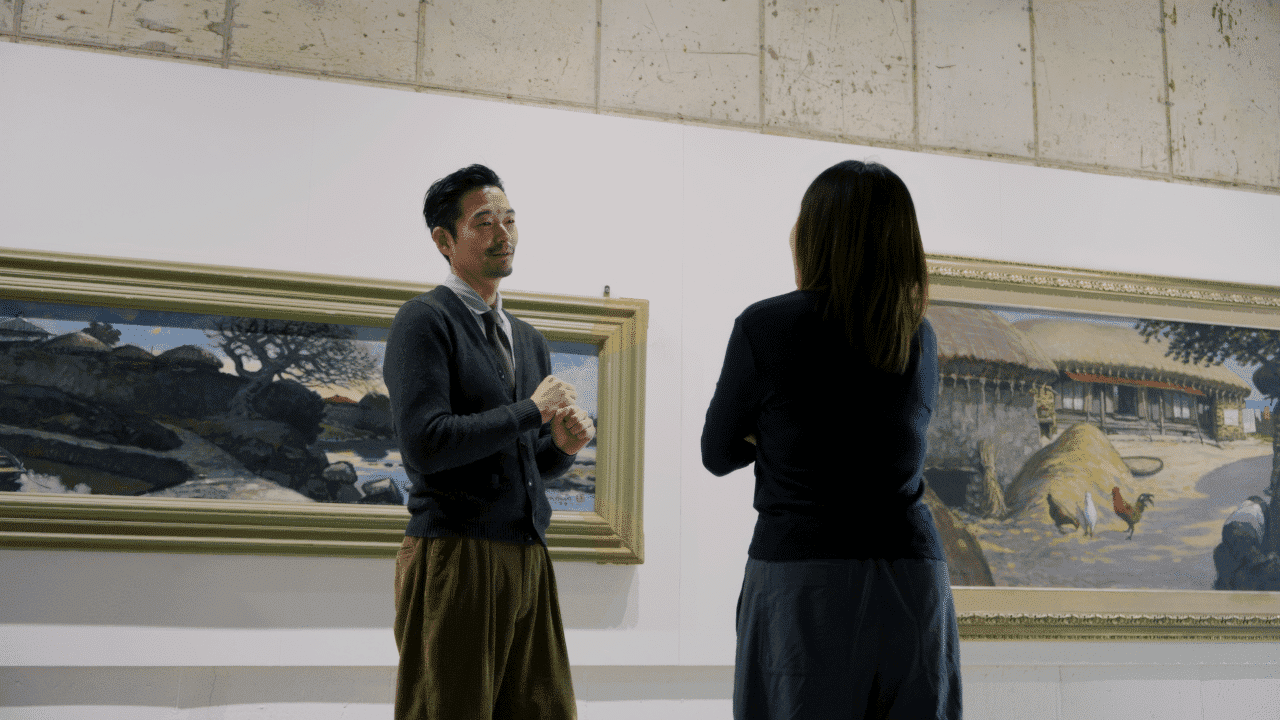
Q. I heard Kim Tek-hwa kept a studio in Namseong Village, in Jeju's old downtown near Tapdong, right next door to Mangrove Jeju City. Why do you think he stayed there, and what do you think drew him to it?
Four of his studios still remain in Jeju City's old downtown today. When he was alive, the old downtown was the cultural and commercial center of the city. Visual artists, writers, and musicians especially used to gather at the local teahouses to talk about exhibitions and art.
Q. Do you have any favorite spots of your own in the old downtown you'd recommend?
I actually went to elementary, middle, and high school in the old downtown. I grew up in this neighborhood. That's probably why I feel at ease whenever I'm there. The area hasn't changed much, so I know every alley like the back of my hand.
A few places I've been visiting lately: the Arario Museum, a gallery called Bin Art Space, and a café called Songki run by a close friend of mine. I like stopping by for tea. These days a lot of people from the mainland have been opening restaurants and bars here too, and I enjoy grabbing a drink with friends at those spots. I'm also a regular at Dongmun Market and Seomun Market. I'd guess I'll be spending a lot of time at Mangrove Jeju City soon too. (laughs)
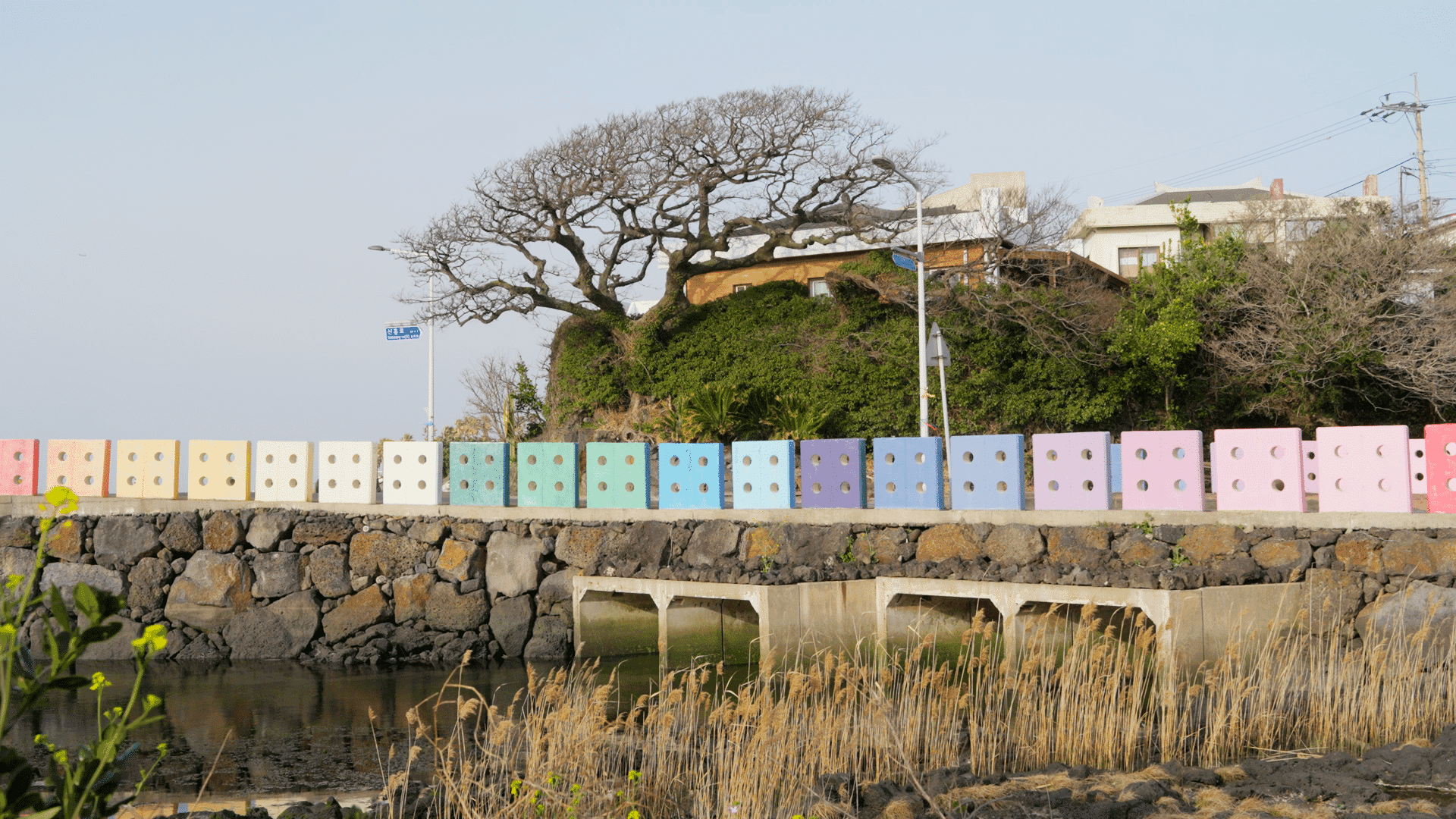
Q. You worked abroad before coming back to your hometown of Jeju. What brought you back, and what made you settle here for good?
I originally came down to Jeju for health reasons. Then, through the Kim Tek-hwa memorial project and other cultural work, I met a lot of great people. Around the same time, more people were moving from the mainland to Jeju, so I haven't felt much friction in daily life. I miss the city sometimes, but I can always go back when I want, so I'm genuinely content here.
Jeju's appeal really comes down to the mountains, the sea, and the people, I think.
Q. When and how do you rest? What's the moment you feel happiest?
Going into the sea to catch octopus, filefish, pufferfish, and flounder, then having a drink afterward, still soaked, that's the ultimate healing for me. I used to go to Hadam Beach in Aewol all the time. It's harder these days. But I can still picture exactly how the sand shifts there, where the rocky reefs sit, and which spots never fail to have an octopus. Besides the sea, I also like walking through Dongbaekdongsan in Jocheon, or having a drink with a good friend in the old downtown.
Q. Where, to you, is the most "Jeju" place there is?
I'll say this with a bit of hope and a bit of cynicism. I think what makes Jeju "Jeju" has faded quite a lot. But at the same time, I believe it's entirely possible to bring it back. That's something I'd love to work on.
Q. What drives you to keep doing both, being an artist and running a space?
I don't think I've ever drawn a hard line between the two, honestly. I've just tried to do the best I can, at whatever level I'm capable of, while also running the museum well. When you're running a space dedicated to an artist as significant as Kim Tek-hwa, you have a responsibility to make sure the public truly comes to know him. So I don't think there's much difference between how I approach being an artist and how I approach running this museum.
If I had to name what drives me, it's conviction and will. I think it's not all that different from how you'd face war, or death.
You can't win every time, but I believe it takes something more than just effort.
Q. What's next for you?
His paintings carry a kind of conviction and prophecy, rooted in care and affection for people. I plan to keep telling the story of who Kim Tek-hwa was, and what traces he left behind in the old downtown and other parts of Jeju. There are still so many stories that haven't been told. I want to honor the flow that happens naturally, while staying fully committed to passing on his value and meaning exactly as they are.
Written by Jeongyeon Lim, Juneha Park
Video, Photo by Peace Piece